Golden Rectangular Citrine: A Timeless Gemstone for Your Collection
Introduction
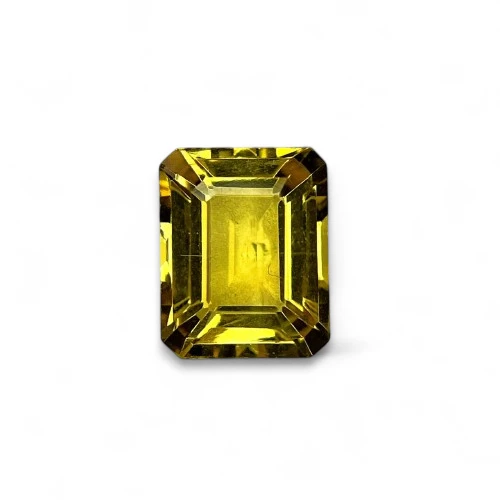
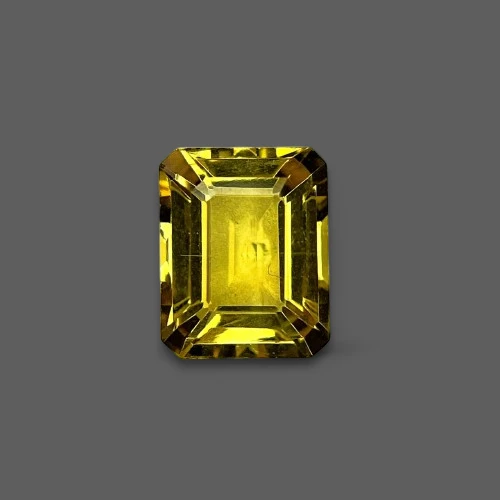
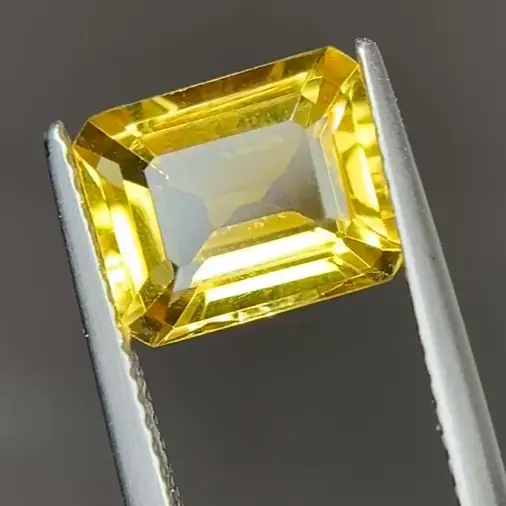
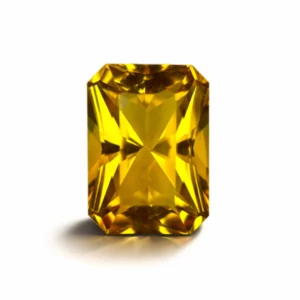
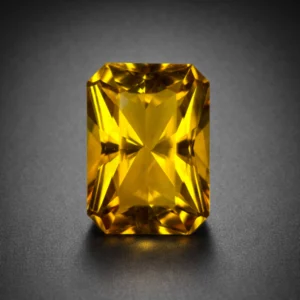
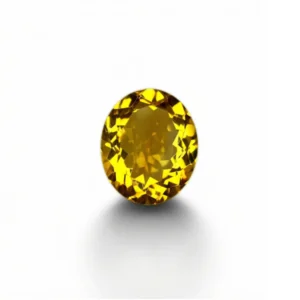
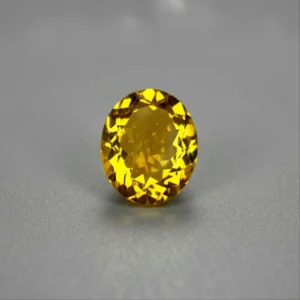
The golden rectangular citrine is more than just a gemstone—it is a statement of elegance, warmth, and sophistication. With its radiant golden hue and precise rectangular cut, this gem draws attention effortlessly, making it a remarkable choice for fine jewelry. Its luminous color evokes the glow of sunlight, adding a touch of natural brilliance to any design.
For centuries, citrine has been cherished for its vibrant shades and versatility. The rectangular cut, known for its clean lines and geometric appeal, enhances the gem’s natural transparency, creating a captivating play of light. Whether set in rings, pendants, or earrings, the golden rectangular citrine combines aesthetic beauty with practical durability, offering a gemstone that is as functional as it is striking.
This guide explores everything you need to know about the golden rectangular citrine, from its mineral composition to styling tips, care instructions, and market insights. By the end, readers will have a comprehensive understanding of why this gemstone stands out among semi-precious stones.
What is a Golden Rectangular Citrine?
Understanding Citrine
Citrine is a transparent variety of quartz with a color range from pale yellow to deep amber. Its golden tones are primarily caused by trace amounts of iron within the crystal structure. This gemstone is highly valued for its clarity, hardness, and warm coloration, which make it ideal for jewelry that is both elegant and durable.
The term golden rectangular citrine specifically refers to citrine stones that are cut into a rectangular shape, often using step-cut or emerald-cut techniques. This shape emphasizes the stone’s clarity and color uniformity, providing a sophisticated and modern look that complements both traditional and contemporary jewelry designs.
Mineralogical Properties
Understanding the physical and chemical characteristics of citrine is essential for evaluating its quality:
- Mineral species: Quartz (SiO₂)
- Color range: Pale yellow to rich golden amber
- Hardness: 7 on the Mohs scale
- Refractive index: 1.544–1.553
- Transparency: Generally high, with minimal visible inclusions
The rectangular cut further enhances these properties by maximizing light reflection and showcasing the gem’s inherent brilliance.
Origins and Sources
Geographic Origins
High-quality golden citrine is primarily sourced from:
- Brazil: The leading global supplier, with many stones heat-treated to enhance color.
- Madagascar, Russia, Spain, and Uruguay: Known for producing natural citrine with unique shades.
- Zambia and parts of Africa: Emerging sources offering vibrant, naturally golden stones.
Natural vs. Heat-Treated Citrine
While citrine occurs naturally, many commercial stones undergo heat treatment to achieve deeper golden or amber tones. Heat treatment typically converts pale amethyst or smoky quartz into golden citrine, enhancing both its color and market appeal. Natural untreated citrine with rich color is rarer and often more valued.
Historical Significance
Citrine has been used since ancient times, its name derived from the French word citron, meaning lemon. Historically, it was carved into jewelry and decorative objects by the Greeks and Egyptians. In the early 20th century, citrine gained popularity during the Art Deco era, often featured in bold, geometric jewelry designs. This history adds a layer of charm and narrative to modern pieces.
Evaluating a Golden Rectangular Citrine
Color
Color is the most significant factor affecting the value and appeal of citrine. A high-quality golden rectangular citrine should have:
- Deep, even golden-yellow to honey hues
- Uniform color distribution without visible zoning
- Bright, transparent appearance
Darker shades, such as Madeira citrine (a reddish-orange tone), are particularly prized in jewelry markets.
Clarity and Inclusions
Citrine typically has excellent clarity, with minimal visible inclusions. In a rectangular cut, the large facets make clarity especially noticeable. Stones with eye-visible inclusions may appear less vibrant and are often less valuable.
Cut and Shape
The rectangular cut highlights the stone’s natural color and transparency. Well-proportioned facets and precise symmetry create a hall-of-mirrors effect, enhancing brilliance. Corner treatment (cut or rounded) also influences durability and aesthetic appeal.
Carat Weight
Citrine is more affordable than many precious stones, allowing buyers to acquire larger sizes without compromising color or clarity. Larger stones with deep golden hues can create dramatic statement pieces, particularly in rings and pendants.
Treatments and Authenticity
Disclosing treatments is critical for transparency. Natural, untreated golden citrine is rare, while heat-treated stones are common. Certificates from recognized gemological laboratories provide confidence in authenticity and origin.
Styling and Design Applications
Jewelry Uses
The golden rectangular citrine is versatile and suitable for various jewelry types:
- Rings: Large rectangular stones create elegant statement pieces.
- Pendants: The geometric shape complements both casual and formal attire.
- Earrings: Rectangular citrine pairs beautifully with diamonds or other gemstones for a refined look.
- Bracelets: Step-cut citrines can be incorporated into multi-stone designs for a luxurious appeal.
Metal Pairings
- Yellow Gold: Enhances the warm golden tones.
- White Gold or Platinum: Provides contrast and modern elegance.
- Mixed Metals: Combines contemporary style with classic warmth.
Color Coordination
- Complementary Colors: Blue tones enhance golden warmth.
- Neutral Tones: Cream, beige, or taupe provide soft elegance.
- Earthy Hues: Browns, olive, and bronze create a natural, understated look.
Special Occasions
- Birthdays (November)
- Anniversaries (13th wedding anniversary)
- Formal events or milestone celebrations
Care and Maintenance
General Guidelines
- Clean with warm, soapy water and a soft brush.
- Avoid prolonged exposure to heat or sunlight to prevent fading.
- Store separately to prevent scratching from harder gemstones.
- Remove jewelry during high-impact activities to maintain durability.
Setting Considerations
- Rings benefit from protective prongs or bezel settings.
- Pendants and earrings typically have less exposure to impact, allowing larger stones.
- Ensure proportionate depth and height for comfort and stability.
Authenticity and Documentation
- Check for heat treatment disclosures.
- Certificates from reputable laboratories enhance trust and value.
Market Trends and Value
Popularity
Golden citrine remains highly popular due to:
- Affordable pricing compared to precious stones
- Vibrant color range suitable for contemporary and classic designs
- Trend alignment with earthy tones and geometric jewelry
Value Assessment
- Color and clarity are primary value drivers
- Cut and size impact perceived quality
- Heat-treated stones are more accessible, while natural deep golden citrine carries premium value
Frequently Asked Questions (FAQ)
What defines a rectangular cut in citrine?
A1: A rectangular cut features clean, straight edges with longer length than width, often step-cut, emphasizing clarity and brilliance.
Is golden rectangular citrine natural?
A2: Many stones are heat-treated from amethyst or smoky quartz. Natural, untreated stones are rarer.
How durable is citrine for daily wear?
A3: With Mohs hardness of 7, citrine withstands everyday wear but should be protected from hard knocks.
How should I care for my citrine jewelry?
A4: Clean with mild soap and water, dry carefully, and store separately from harder gemstones.
Does the rectangular cut affect price?
A5: Yes, precise cutting increases labor costs, but color and clarity remain the main determinants of value.
How does golden citrine compare to other yellow gemstones?
A6: It offers vibrant color and larger sizes at more accessible prices than yellow sapphire or diamond.
Conclusion
The golden rectangular citrine combines timeless beauty, geometric elegance, and practical durability. Its radiant color and precise rectangular cut make it suitable for a variety of jewelry designs, from rings and pendants to earrings and bracelets. Understanding its origin, color, clarity, and care ensures lasting beauty and appreciation.
As a gemstone, it offers a balance of aesthetic appeal, versatility, and value, making it a remarkable choice for anyone seeking a sophisticated semi-precious gem.




Reviews
There are no reviews yet.