Introduction
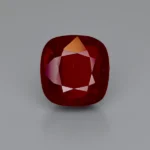
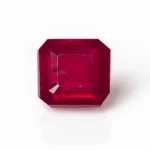
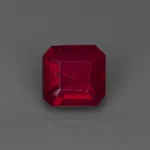
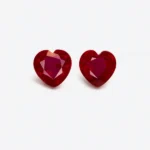
Ruby is one of the most iconic and admired gemstones in the world, known for its vivid red color and strong cultural, historical, and spiritual value. As a member of the corundum family, Ruby represents passion, protection, and luxury. This gemstone attracts collectors, jewelers, and gemstone enthusiasts who seek beauty, durability, and rarity in a single stone.
Today, Ruby remains one of the most popular gemstones in global jewelry markets. Its durability, deep symbolism, and distinctive color make it a preferred choice for rings, necklaces, engagement jewelry, and high-end custom designs. In this guide, you will learn everything essential about Ruby to help you understand its qualities before buying or categorizing it online.
What Is Ruby?
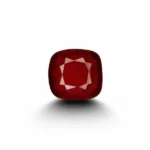
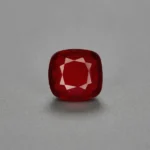
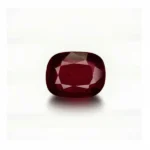
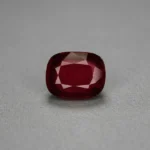
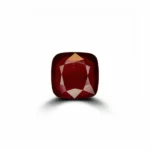
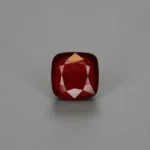
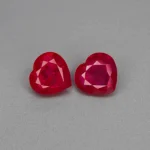
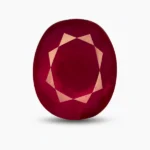
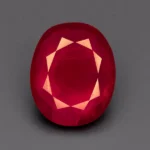
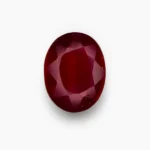
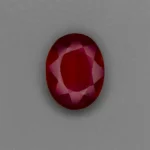
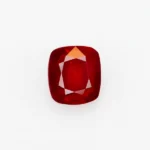
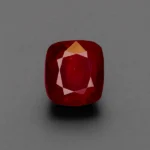
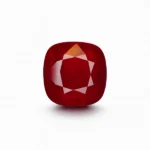
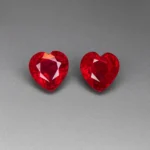
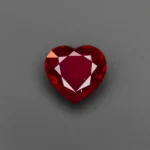
Ruby is a red variety of the mineral corundum. Its red color mainly comes from the presence of chromium, which creates the bright to deep red tones that make Ruby unique. Among colored gemstones, Ruby is one of the rarest, especially in high clarity and vivid “pigeon blood red” color.
Ruby is also extremely durable, scoring 9 out of 10 on the Mohs hardness scale, making it ideal for everyday jewelry.
Key Characteristics of Ruby
1. Color Quality
Color is the most important factor when evaluating Ruby. The finest Rubies have:
-
A pure red or slightly purplish red tone
-
Medium to strong color saturation
-
Bright internal glow caused by chromium
Gem dealers often refer to the best shade as pigeon blood red, a highly valued and rare color.
2. Clarity
Most natural Rubies contain inclusions. Eye-clean stones are rare and more valuable. Typical inclusions include:
-
Needles
-
Crystals
-
Fingerprint patterns
-
Rutile silk
A small number of inclusions can even improve the gem’s brightness by scattering light.
3. Cut
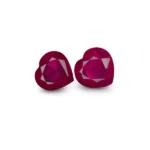
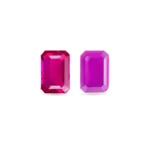
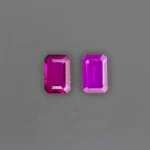
Ruby is cut into various shapes depending on rough quality. Popular cuts include:
A well cut Ruby improves sparkle and overall appearance.
4. Carat Weight
Large Rubies are extremely rare. The price per carat increases significantly once stones exceed 1 carat, especially in high color quality.
Types of Ruby
Natural Ruby
Mined from the earth, natural Rubies are considered the most valuable. Major sources include:
-
Myanmar
-
Thailand
-
Sri Lanka
-
Mozambique
-
Afghanistan
Synthetic Ruby
Lab created Rubies have the same chemical structure as natural ones and offer an affordable option. However, they are priced lower due to unlimited supply.
Treated Ruby
Many Rubies undergo heat treatment to improve clarity and color. This is standard in the gemstone industry and does not reduce the stone’s durability.
Benefits and Symbolism of Ruby
Ruby has been treasured for thousands of years. It is associated with:
Ruby is also the July birthstone, adding symbolic value for jewelry lovers.
How to Identify a High Quality Ruby
1. Check the Color
The deeper and more vivid the red, the higher the value.
2. Look at Inclusions
Natural inclusions are normal. Extremely flawless stones may be synthetic.
3. Verify Treatments
Always ask for certification to confirm whether the Ruby has been heated or chemically treated.
4. Consider the Source
Burmese Rubies are historically the most valuable, but African Rubies have become highly respected in modern markets.
Recommended Uses in Jewelry
Ruby is ideal for:
-
Engagement rings
-
Luxury bracelets
-
Pendants
-
Vintage style jewelry
-
Men’s rings
Its durability makes it suitable for long term daily wear.
Conclusion
Ruby remains one of the most powerful and beloved gemstones worldwide. Its intense color, historical significance, and natural rarity make it a standout choice in any gemstone collection. Whether used in fine jewelry or displayed as a loose stone, Ruby continues to symbolize strength, passion, and timeless beauty.
FAQ
1. Is Ruby a rare gemstone?
Yes. High quality Ruby is rare, especially stones with vivid color and high clarity.
2. What affects the price of Ruby the most?
Color is the most important factor, followed by clarity, cut, and carat weight.
3. Is heat treated Ruby real?
Yes. Heat treatment is a standard and accepted method to enhance natural Ruby appearance.
4. Which country has the best Ruby?
Myanmar is historically known for the finest Rubies, but Mozambique also produces excellent quality today.
5. Is Ruby good for daily wear?
Absolutely. With a hardness of 9, Ruby is extremely durable and suitable for everyday jewelry.