Introduction to Natural Fancy Santamaria Aquamarine
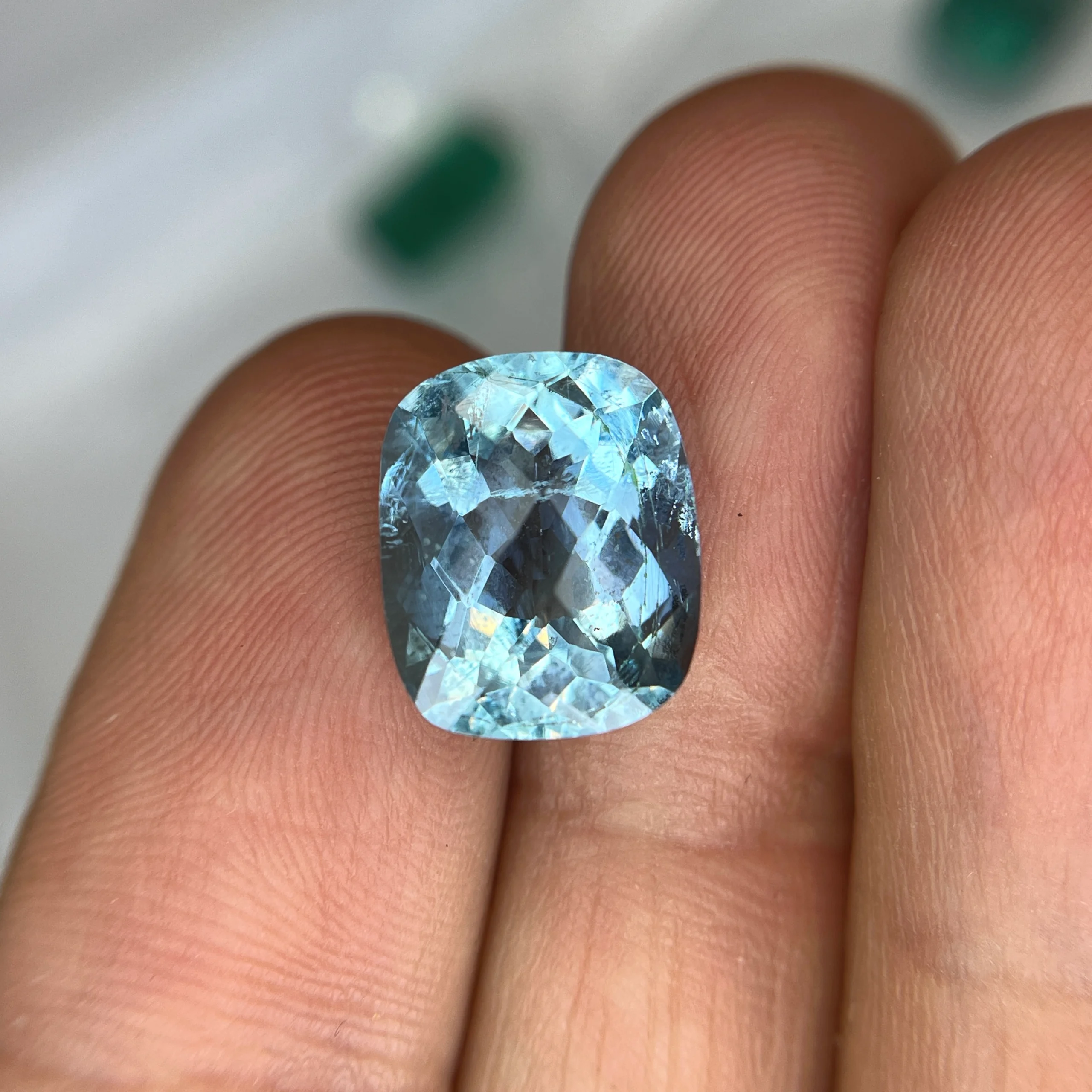
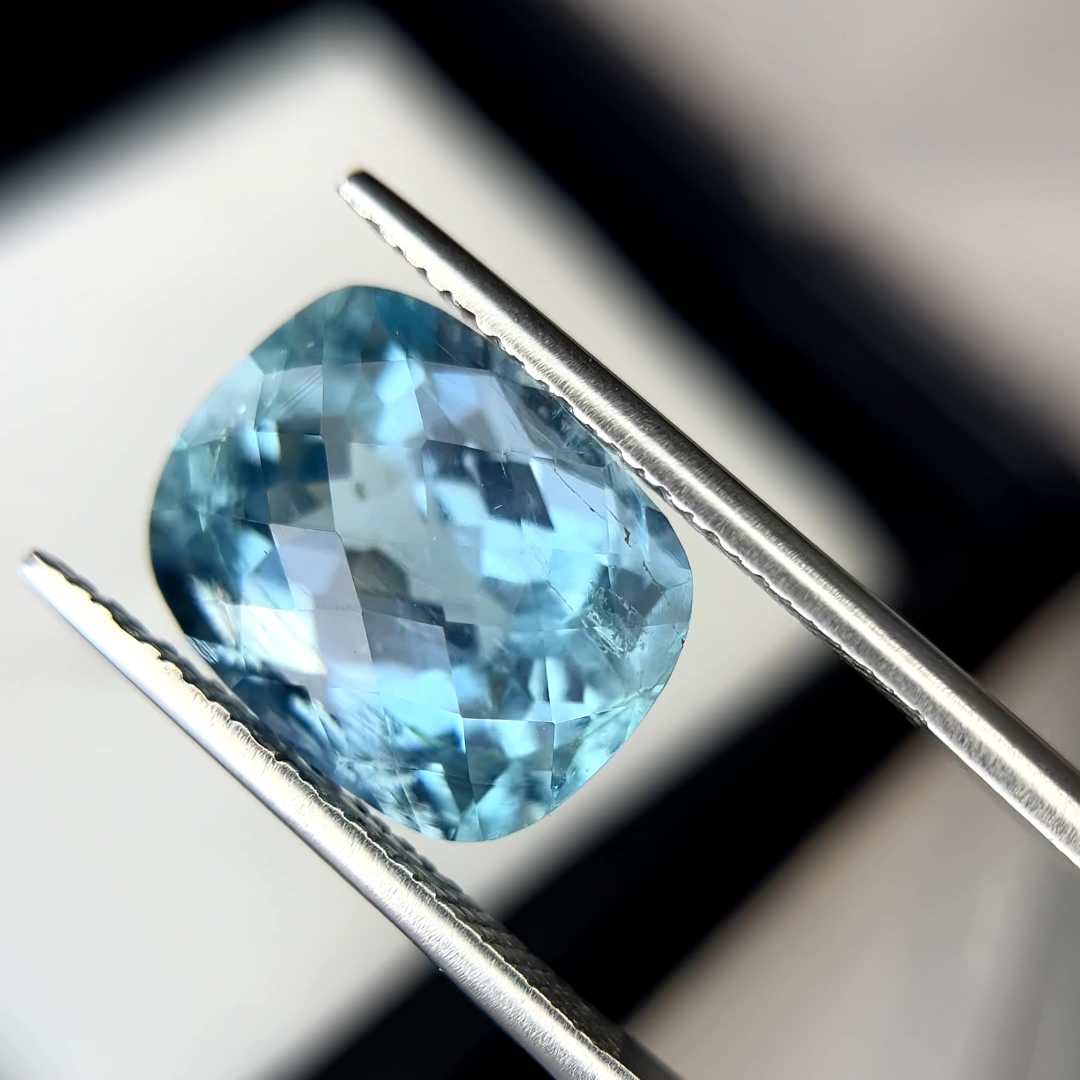
If you’re looking for a gemstone that embodies the essence of ocean‑blue clarity, then the natural fancy Santa Maria aquamarine is an exceptional choice. This term refers to a particularly rich and saturated blue variety of the gemstone Aquamarine — a color so desirable that it has become legendary in the world of coloured gems. The phrase “Santa Maria” originates from the famous mine in Brazil where the deepest hues were first discovered, and “fancy” in this context emphasises a particularly well‑cut and premium stone.
The charm of the natural fancy Santa Maria aquamarine lies not only in its vivid hue, but also in its rarity: deeper blues are far less common than the more typical pale‑blue aquamarines. Because of that, collectors and connoisseurs prize them. In the pages that follow we’ll explore this gemstone’s origin, characteristics, how to evaluate it, why the “fancy” cut matters, treatment considerations, buying guidance, and practical uses in jewellery. By the end you should feel confident in understanding what sets the natural fancy Santa Maria aquamarine apart — and whether it’s right for you.
Main Content
What is the Natural Fancy Santa Maria Aquamarine?
Definition and terminology: The phrase “natural fancy Santa Maria aquamarine” breaks down into three key ideas:
-
Natural: the stone is of natural origin (i.e., not synthetic) and untreated or minimally treated in ways acceptable for quality jewellery.
-
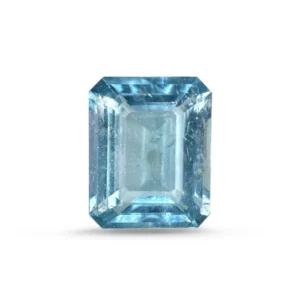
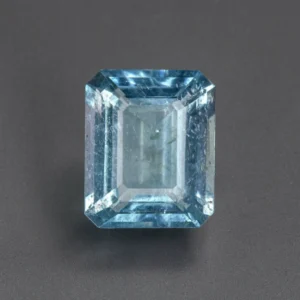
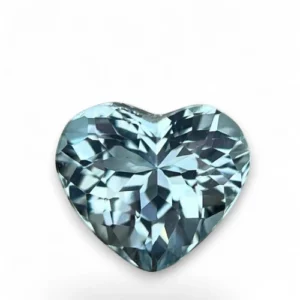
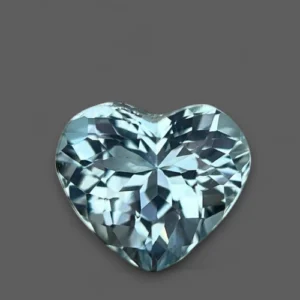
Fancy: refers to a premium cut and shape which enhances the colour, clarity and brilliance of the stone — often in non‑standard or decorative shapes beyond simple ovals or rounds.
-
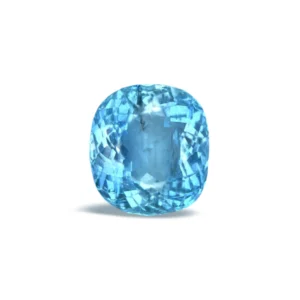
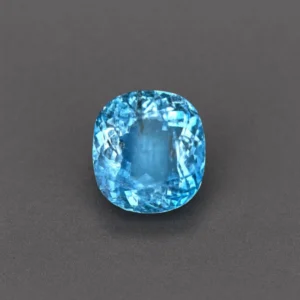
Santa Maria: this is a trade‑name term derived from a Brazilian locality (Santa Maria de Itabira in the state of Minas Gerais) where aquamarines of intense deep blue colour were first discovered. Stones exhibiting that intense, medium‑to‑dark blue hue (sometimes termed “Santa Maria blue”) qualify for the label, regardless of actual geographic origin.
Thus, when we speak of a “natural fancy Santa Maria aquamarine”, we mean a genuine aquamarine with a rich blue colour reminiscent of the classic Santa Maria hue, cut in a premium fashion.
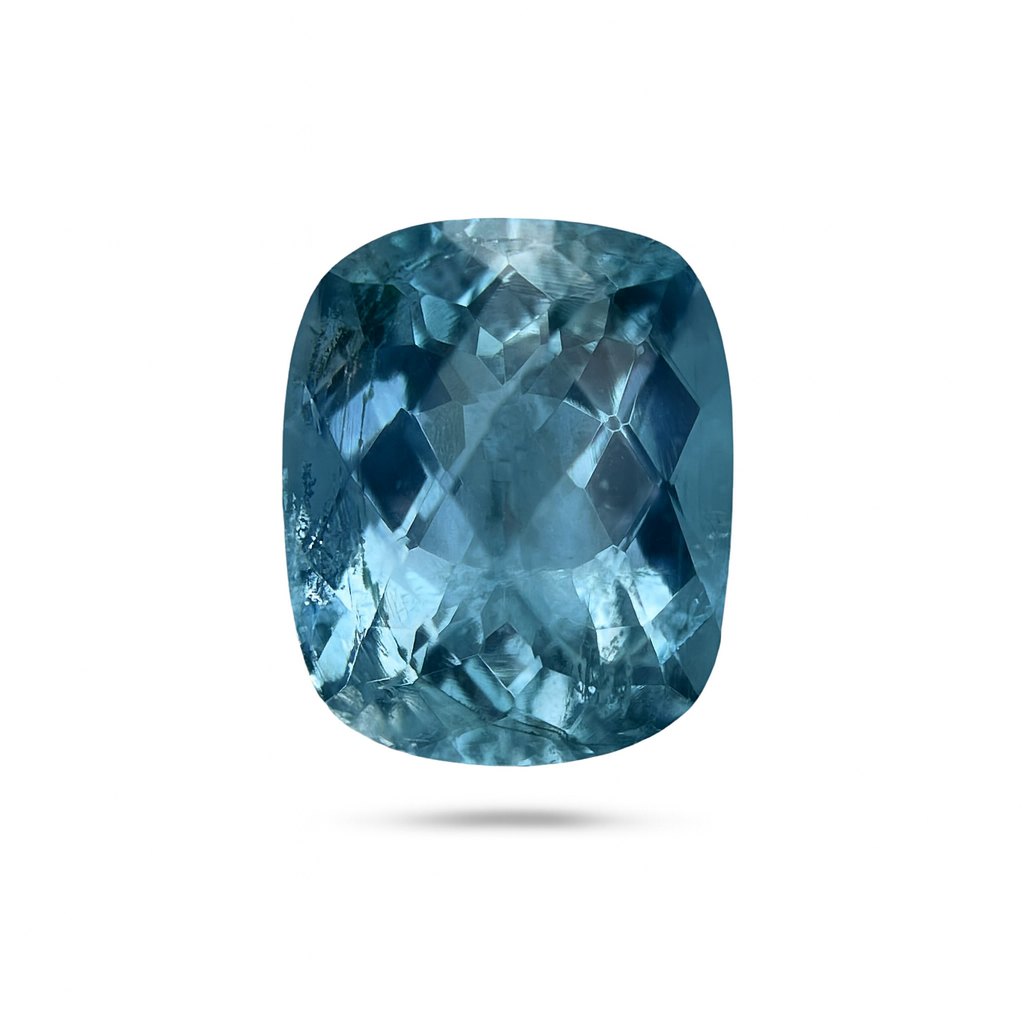
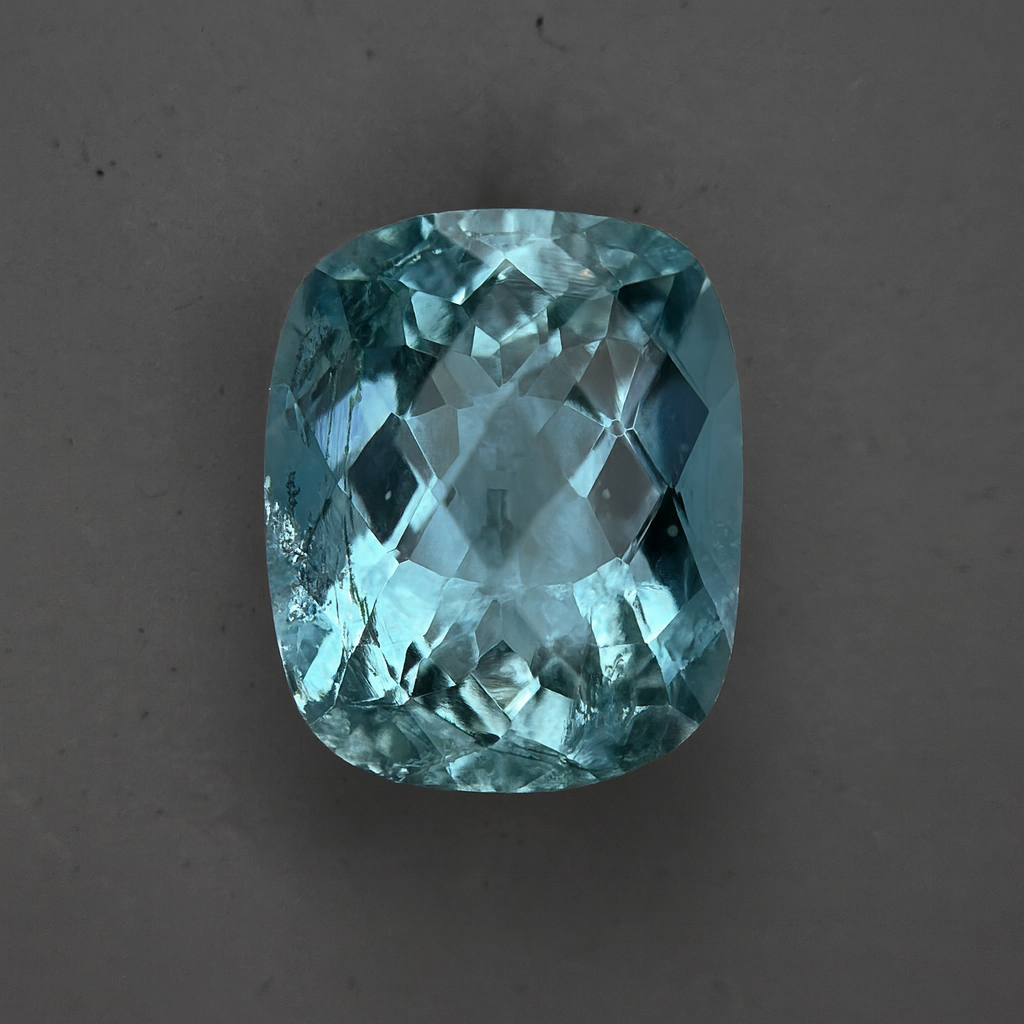
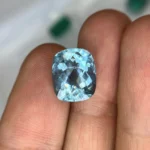
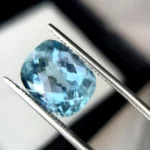
Why “fancy” matters: Many aquamarines are light or pale blue; when one finds a stone with strong, saturated colour (especially a deeper blue) and a cut that enhances the colour and brilliance, it is termed “fancy”. For example one listing described “22.5×15.5 mm Fancy 12.47 ct AAA Fire Luster Natural Santa Maria Blue Aquamarine (Flawless‑VVS)” for good measure.
Colour significance: According to gem‑education sources, colour is the most important attribute for coloured gemstones like aquamarine. The “Santa Maria blue” tone is highly sought after.
Origin & History
The classic origin of Santa Maria aquamarine is the Santa Maria de Itabira mine in Minas Gerais, Brazil. It was here that aquamarines with unusually deep blue hues were first commercially recognised and celebrated.
Over time, the original mine’s yield of top‑quality deep blue aquamarine became scarce, prompting miners and gem dealers to source similar colour stones from other localities (for instance in Africa) and still label them “Santa Maria” by trade name even if from a different origin.
In gem marketplace literature, the term “Santa Maria blue” has expanded to include stones exhibiting that rich hue, even when their origin is not Brazil — but provenance continues to play a role in pricing and prestige.
Historically, the intense blue aquamarines were considered rare and commanded high prices; many gem‑trade articles emphasise that deeper blue tones cost significantly more than pale blue stones.
Geological & Physical Characteristics
The gemstone aquamarine is a variety of the mineral beryl (Be₃Al₂Si₆O₁₈).
Hardness & durability: On the Mohs hardness scale, aquamarine ranks approximately 7.5‑8, making it suitable for jewellery wear.
Colour mechanism: The blue colour in aquamarine is typically produced by the presence of Fe²⁺ (iron) ions substituting in the crystal structure, and sometimes combinations of Fe²⁺ / Fe³⁺ give deeper tones.
Clarity & inclusions: Many aquamarines are relatively inclusion‑free (“eye‑clean”), and in the case of premium Santa Maria stones clarity contributes strongly to value. Gem‑education sources emphasise that even in good colour stones, a poor cut or heavy inclusions can detract from brilliance and value.
Cut and facets: Because aquamarine is transparent and has good brilliance, the quality of the cut (angles, symmetry, polish) is crucial for “fancy” stones — especially to showcase that deep blue tone and allow light to bounce optimally.
Size & availability: While pale/bluish aquamarines are reasonably available in many sizes, finding a large stone with deep Santa Maria blue tone is far rarer — the deeper the colour, the more rare it tends to be.
Evaluating a Natural Fancy Santa Maria Aquamarine
When assessing one of these gemstones, there are several criteria to keep in mind:
Colour
-
The hue should lean toward pure or slightly violet‑blue rather than greenish or overly grey.
-
Saturation should be rich but not so dark that the stone appears almost black in certain lights.
-
Tone should ideally be medium to medium‑dark for “Santa Maria” classification.
-
The “fancy” aspect means the cut should allow the colour to shine evenly without zoning or patchiness.
Because colour is king in colored gemstones, this is often the first attribute to inspect.
Clarity & Inclusions
-
Premium stones may be described as “eye‑clean” (no visible inclusions to the unaided eye).
-
Minor inclusions may be acceptable if they don’t interfere with brilliance or durability.
-
Some listings mention clarity grades like “Flawless–VVS” for high‑end Santa Maria aquamarines.
Cut, Shape & Finish
-
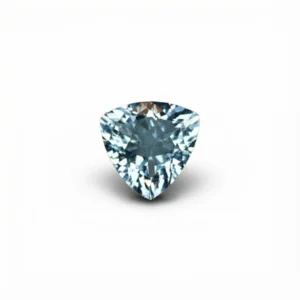
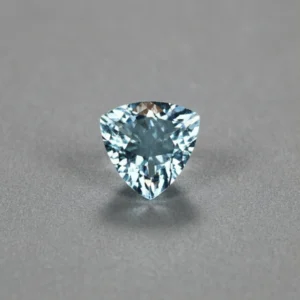
A “fancy cut” may refer to unique shapes (pear, cushion, fancy fancy shapes) with special facet arrangements to maximise colour brilliance.
-
Symmetry, polish and the absence of “windows” (areas where you see right through the stone without colour) are important.
-
The stone should be well proportioned so that light returns to the view and the colour appears lively.
Carat Weight & Size
-
Larger carat weights in deep blue are rarer and command premium pricing.
-
Be aware of trade‑off: very large stones may show colour zoning or may have been treated/irradiated; provenance and certification become more important.
-
Example: A listing described a 12.47 ct Fancy 22.5×15.5mm natural Santa Maria blue aquamarine as “AAA Fire Luster Rare”.
Treatment & Origin
-
Many aquamarines undergo heat treatment to remove greenish tones and enhance blue. While this is widely accepted, full disclosure is important.
-
Some stones may be irradiated or modified; buyers should ask for certification.
-
Origin matters: a true Brazilian Santa Maria origin may command higher value; however trade‑name use means stones from other origins with equivalent colour may bear the label. Transparency about origin and treatment is key.
Certification & Value
-
For high‑value stones, a certificate from a recognised gemological laboratory (e.g., GIA, IGI, AGL) is advisable.
-
The combination of deep saturated colour, eye‑clean clarity, excellent cut and certification defines the high tier of value for natural fancy Santa Maria aquamarine.
-
Market pricing: While pale aquamarines are comparatively affordable, premium Santa Maria blue stones fetch significantly higher prices. For example, some web listings state “the more deeper the colour is more expensive”.
Practical Uses & Jewellery Considerations
Jewellery settings & design
-
Because of its favourable hardness (7.5‑8 Mohs), aquamarine is suitable for everyday wear jewellery (rings, pendants, earrings) but still requires care like any fine gem.
-
Fancy cuts lend themselves to bespoke or designer jewellery where the stone is the focal point.
-
Deep blue tones pair beautifully with white gold, platinum or silver, but warmer metals like rose gold may also provide interesting contrast (though less common).
-
Setting style should protect the stone’s facets and ensure maximum light return.
Care & maintenance
-
Avoid harsh chemicals and strong heat. While aquamarine is durable, it still benefits from gentle care.
-
Clean with warm soapy water and a soft brush. Ultrasonic/steam cleaning are generally acceptable for well‑cut, eye‑clean aquamarines, but always check treatment and inclusions first.
-
Store separately from harder stones (like diamonds or sapphires) to avoid surface scratches.
Investment & collectability
-
A well‑chosen natural fancy Santa Maria aquamarine can be both a wearable gem and a collector’s piece.
-
Because the supply of top‑quality deep blue aquamarine is limited (especially from classic locality mines), long‑term value may hold or increase.
-
When buying for investment, factor in: certified origin/treatment, cut/colour/clarity grade, size, and market demand.
Why Choose a Natural Fancy Santa Maria Aquamarine?
-
Distinctive colour: Few gemstones offer the bright, rich ocean‑blue tone that distinguishes a classic Santa Maria aquamarine.
-
Versatility & elegance: The fancy cut adds character, making the gem suitable for high‑end jewellery and statement pieces.
-
Rarity & prestige: The deeper tones are rarer, enhancing collectability and value.
-
Durability & everyday wear: With proper care, it can be worn regularly and enjoyed, unlike some very soft or brittle gems.
-
Connection to gemstone heritage: The Santa Maria name carries historical resonance and adds narrative appeal to your jewellery selection.
Conclusion
In summary, the natural fancy Santa Maria aquamarine embodies the perfect blend of vivid ocean‑blue colour, expert cutting, gem‑quality clarity, and collector appeal. Whether you’re seeking a standout piece of jewellery or a gemstone investment, understanding the attributes of colour, cut, clarity, origin, and treatment ensures you can approach with confidence. Always aim for transparency (certification), examine the stone under good light, and choose a cut that lets the colour shine. With the right stone, you’ll own a gem that is not just beautiful — but meaningful.
By focusing on “natural”, ensuring it’s genuinely aquamarine from a recognised source (or clearly disclosed) and appreciating the fancy cut and premium hue, you’ll be selecting a gemstone of real distinction. Approach your purchase with knowledge, ask the right questions, and you can trust that your piece will be a timeless addition to your collection.
FAQ (Frequently Asked Questions)
Q1: What does “Santa Maria” mean in aquamarine?
A: The term originates from the Santa Maria de Itabira mine in Brazil, where aquamarines with a deep, vivid blue colour were first mined and recognised. Over time “Santa Maria” has become a trade‑name used for aquamarines that exhibit that characteristic deep blue hue, even if they come from other origins
Q2: What does “fancy cut” mean in this context?
A: “Fancy cut” refers to a gemstone cut which goes beyond standard shapes (round, oval) and includes special shapes (pear, cushion fancy, radiant, etc) or facet arrangements that enhance colour, brilliance and uniqueness. In the case of natural fancy Santa Maria aquamarine, such cuts help emphasise the rich blue hue.
Q3: Are all Santa Maria aquamarines untreated?
A: Not necessarily. Some may be untreated while others may receive standard heat treatment (which is widely accepted in the aquamarine market) to enhance colour or remove greenish tones. It’s crucial to ask for full disclosure of treatments and ask for a certificate.
Q4: How can I tell the difference between a regular aquamarine and a Santa Maria aquamarine?
A: Key differentiators include:
-
The depth and saturation of the blue colour (Santa Maria blues are richer and less green‑tinged).
-
The cut quality (fancy cuts are more common in premium stones).
-
Documentation of origin and treatment.
-
Price: Santa Maria tones command premium pricing compared to pale aquamarines.
However, because “Santa Maria” is a trade term and not strictly regulated, only genuine certification and expert evaluation ensure authenticity.
Q5: What size should I aim for and how much does it cost?
A: While there is no fixed “ideal” size, larger stones with rich colour are rarer and more expensive. Some listings show 12 ct+ stones with premium grade colour and clarity. Cost depends on colour strength, clarity, cut, size and origin. Always compare certified stones from reputable dealers. For example, one listing referenced a 12.47 ct “AAA Fire Luster Natural Santa Maria Blue Aquamarine (Flawless‑VVS)” stone.
Q6: Is it safe for everyday wear?
A: Yes — aquamarine is quite durable (Mohs 7.5‑8) and, when well set, is suitable for everyday jewellery like rings, pendants or earrings. However, like all fine gemstones, it benefits from proper care: avoid extreme heat, chemicals, and strong knocks, and clean gently.
Q7: Where can I buy one with confidence?
A: Look for reputable gemstone/jewellery dealers who provide full disclosure about origin, treatment and certification. Ask for a certified report from a recognised lab (e.g., GIA, AGL) and inspect the stone personally (or via trusted images) for colour, clarity and cut quality.




Reviews
There are no reviews yet.