Introduction
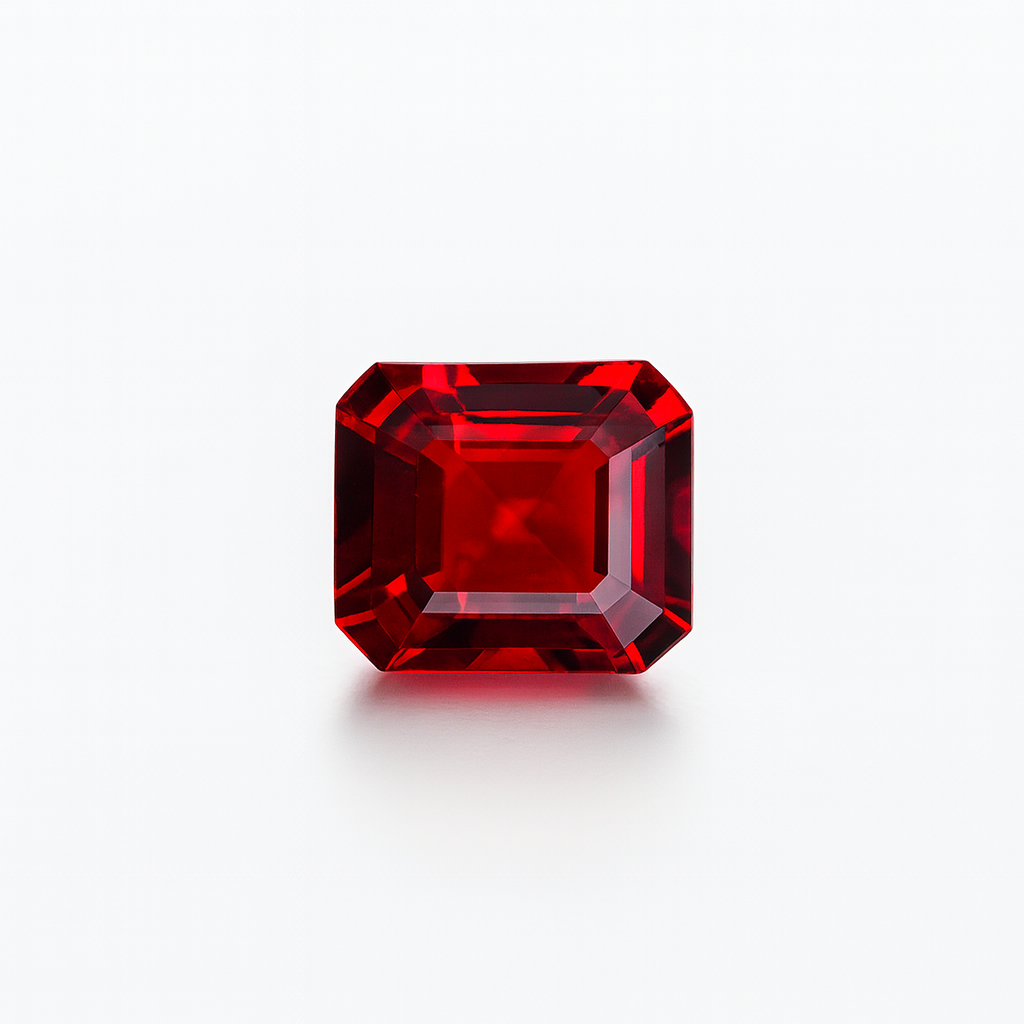
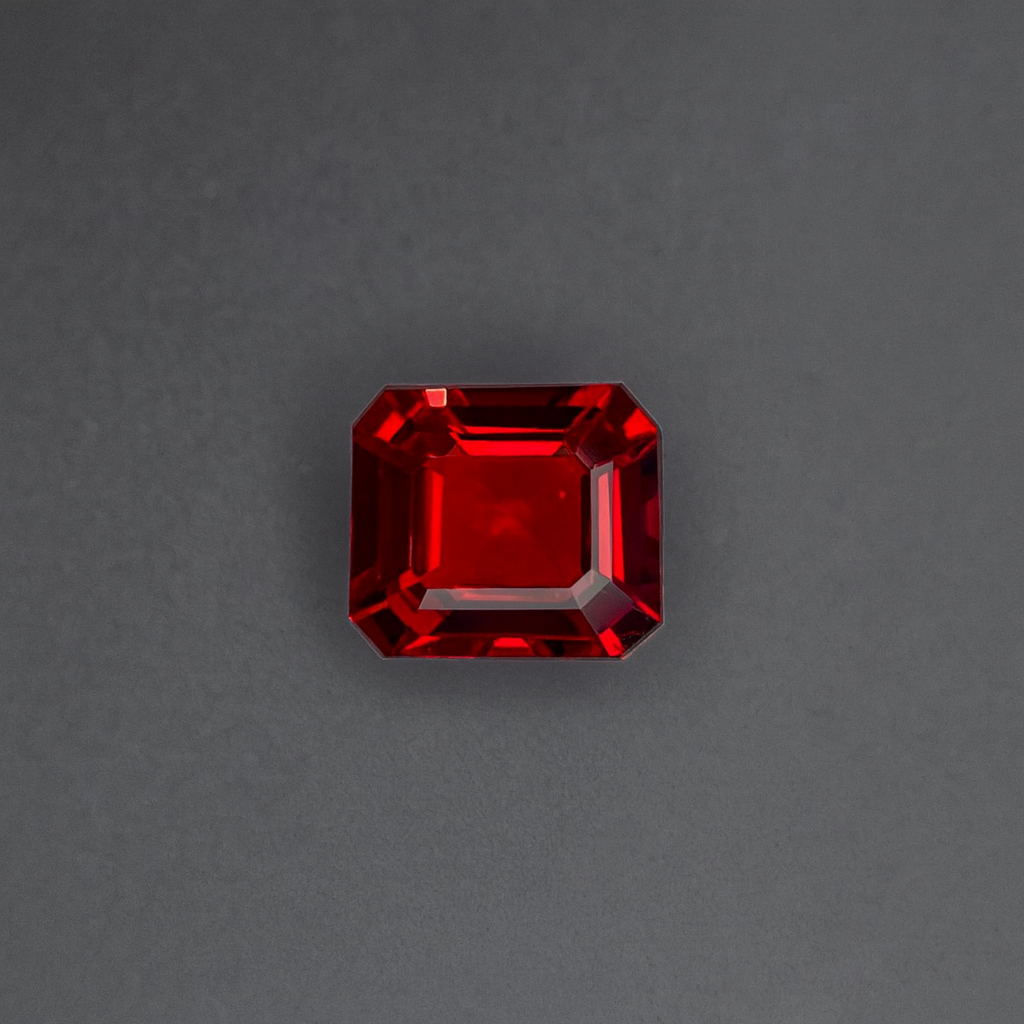
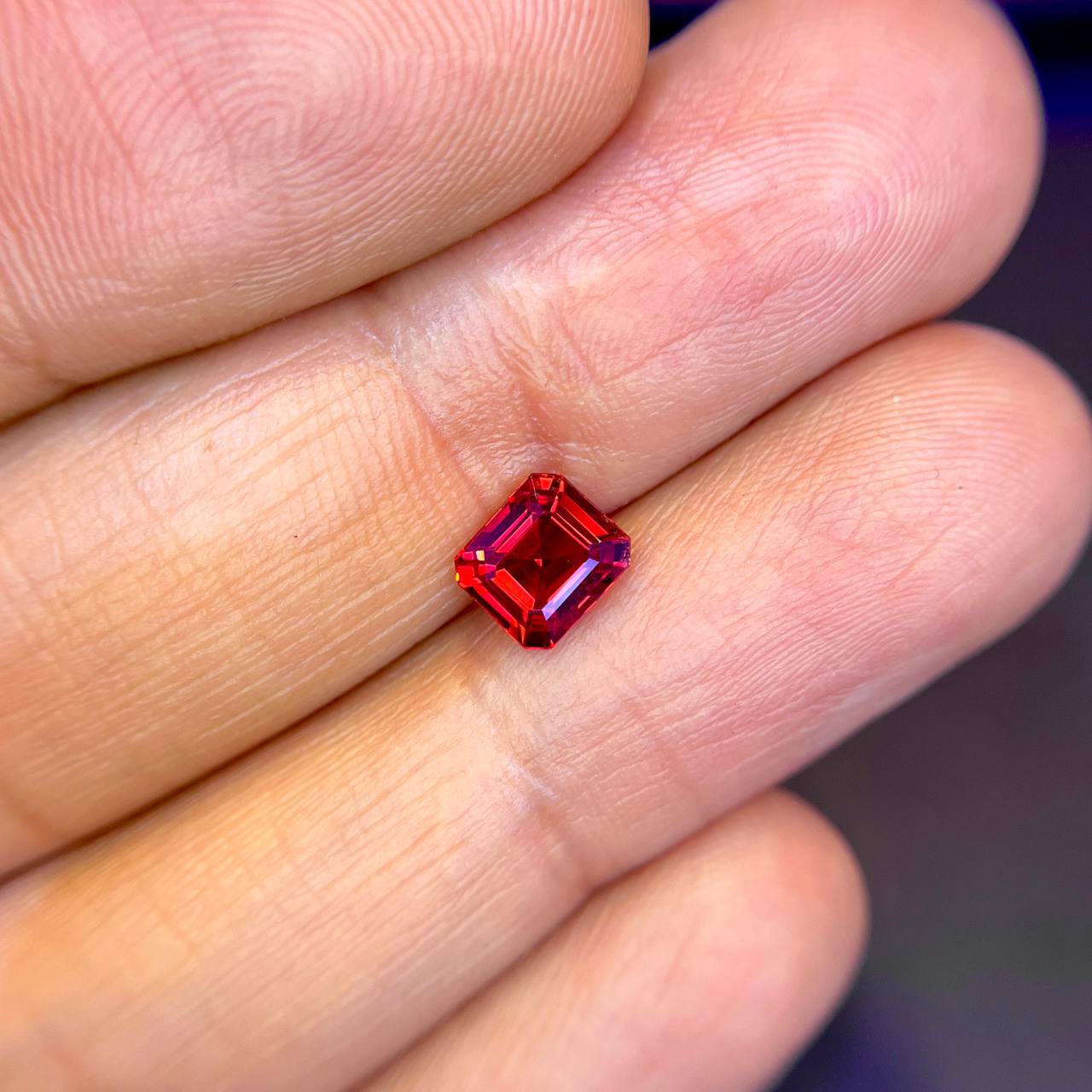
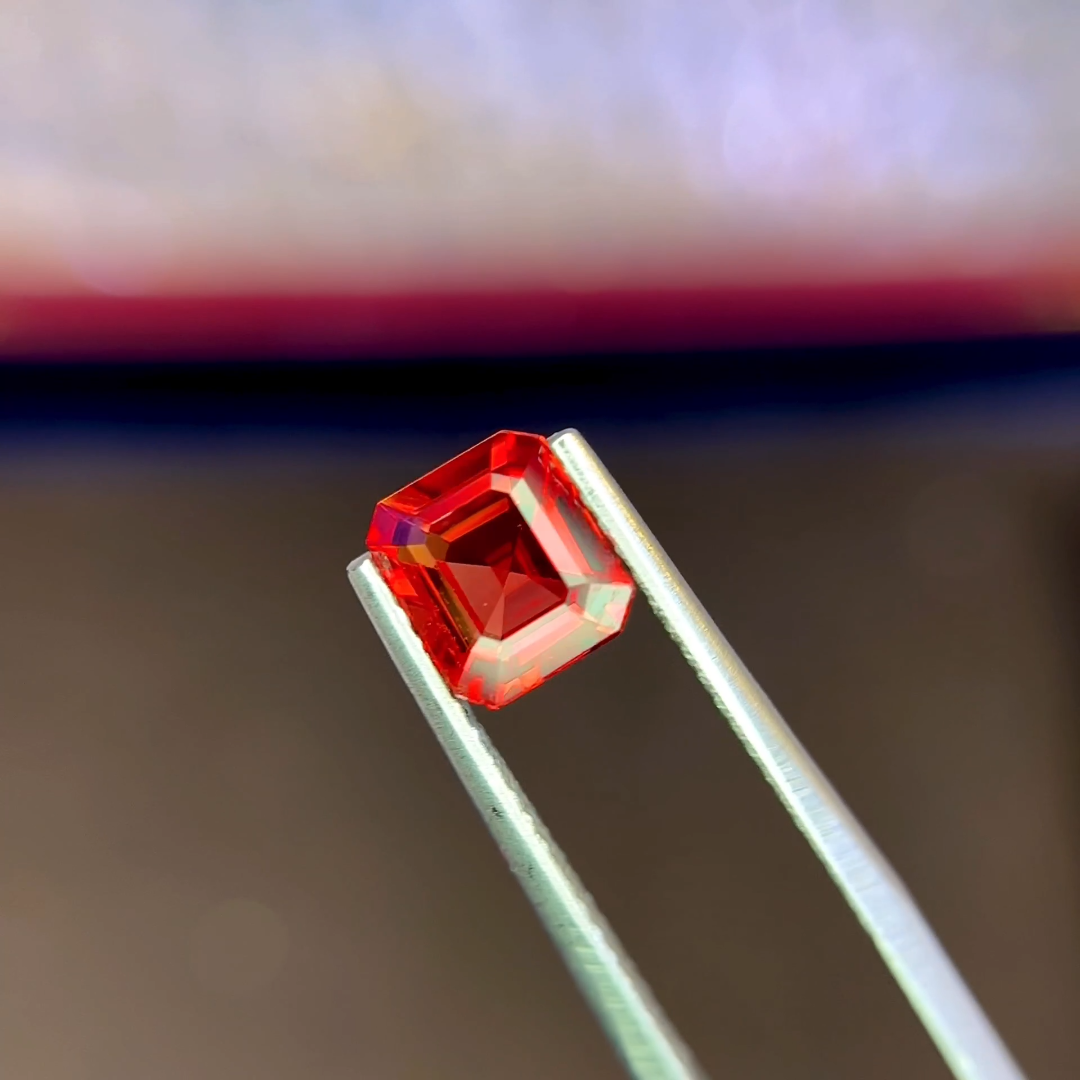
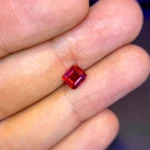
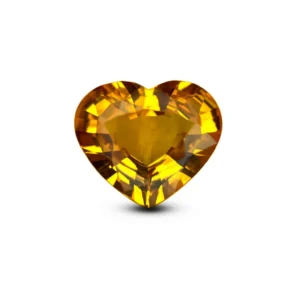
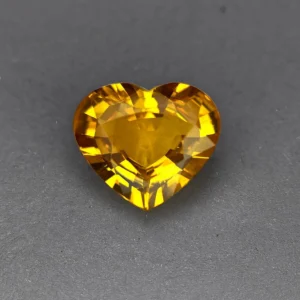
The 1.38ct Red Songea Sapphire stands as one of the most captivating gemstones in the corundum family. Its vivid red hue, sourced from the famous Songea region of Tanzania, radiates warmth and passion that rivals even the most sought-after rubies. With its growing popularity among collectors and jewelry designers, this gemstone has become a symbol of rarity, craftsmanship, and authenticity.
Unlike the well-known blue sapphires from Sri Lanka or Kashmir, Red Songea Sapphires possess a distinctive earthy tone infused with traces of orange or brown. These color nuances, combined with exceptional brilliance, make each stone truly unique. In this article, we will dive deep into everything you need to know about the 1.38ct Red Songea Sapphire — from its geological origins and value factors to identification, treatments, and buying tips.
The Origin of Songea Sapphires
Songea, Tanzania: The Birthplace of Fiery Red Sapphires
Songea is located in the Ruvuma region of southern Tanzania, a region renowned for producing sapphires of exceptional color diversity. Mining began here in the late 1990s, revealing sapphires that ranged from deep red to vibrant orange and pinkish tones. The 1.38ct Red Songea Sapphire represents one of the finest examples of these gemstones, known for their natural intensity and durability.
Geologically, Songea sapphires are formed in metamorphic rock environments, where high pressure and temperature conditions allow trace elements like chromium and iron to influence their color. Chromium gives the stone its deep red saturation, while iron contributes a subtle brownish undertone, creating the gem’s signature warmth.
Physical and Optical Properties
| Property |
Description |
| Chemical Composition |
Aluminum Oxide (Al₂O₃) |
| Mohs Hardness |
9 (second only to diamond) |
| Specific Gravity |
3.95–4.03 |
| Refractive Index |
1.762–1.770 |
| Crystal System |
Trigonal |
| Luster |
Vitreous |
| Transparency |
Transparent to translucent |
The exceptional hardness of Red Songea Sapphires makes them ideal for everyday jewelry, such as engagement rings, earrings, and pendants. Their high refractive index ensures remarkable brilliance and sparkle under light.
Color Characteristics of the 1.38ct Red Songea Sapphire
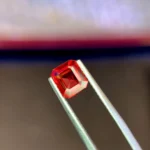
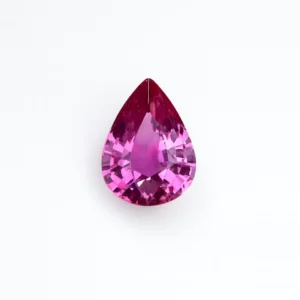
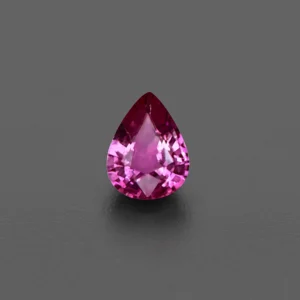
The 1.38ct Red Songea Sapphire is particularly admired for its rich red hue with slight undertones of orange or brown, creating a visually warm and dynamic appearance. Unlike synthetic stones, its natural inclusions and color zoning serve as proof of authenticity. The red tone can range from a fiery crimson to a deep garnet-like shade, depending on the lighting and angle.
Color Grading
-
Primary Hue: Red
-
Secondary Hues: Orange, Pink, or Brown (depending on trace elements)
-
Tone: Medium to medium-dark
-
Saturation: Vivid and intense
This combination makes the 1.38ct size especially appealing for fine jewelry — large enough to command attention but small enough to remain elegant and versatile.
Treatment and Enhancement Methods
Songea sapphires are often subjected to heat treatment to enhance color and clarity. The 1.38ct Red Songea Sapphire may be heated to improve the red saturation by removing brownish tones or enhancing transparency. However, unlike diffusion or beryllium-treated sapphires, genuine heat treatment does not alter the gem’s authenticity.
Common Treatments
-
Heat Treatment (Typical): Improves color and removes inclusions.
-
Beryllium Diffusion (Less Common): Alters color by infusing elements at high temperatures.
-
Untreated Stones (Rare): Highly prized for natural, unaltered beauty.
When purchasing, always ask for a gemological certificate from reputable labs such as GIA, IGI, or SSEF, confirming treatment status and authenticity.
Rarity and Value Factors
Several factors influence the value of a 1.38ct Red Songea Sapphire:
1. Color
The richer and purer the red hue, the higher the value. Stones with fewer brown or orange undertones are particularly prized.
2. Clarity
While minor inclusions are common, eye-clean stones fetch premium prices. Natural inclusions often indicate authenticity.
3. Cut
Precision in cutting maximizes brilliance. Oval, cushion, and pear cuts are most popular for highlighting the sapphire’s fire and depth.
4. Carat Weight
At 1.38 carats, this sapphire size strikes a balance between luxury and affordability — substantial enough to make a statement yet not overly costly.
5. Origin
Red Songea Sapphires from Tanzania have become increasingly rare since mining activities have slowed in recent years, boosting their market value significantly.
Comparison: Red Songea Sapphire vs. Ruby
While both gems exhibit rich red tones, there are distinct differences:
| Feature |
Red Songea Sapphire |
Ruby |
| Chemical Composition |
Al₂O₃ |
Al₂O₃ |
| Color Source |
Chromium + Iron |
Chromium |
| Hardness (Mohs) |
9 |
9 |
| Typical Price per Carat |
Lower |
Higher |
| Rarity |
Increasing |
High |
| Typical Origin |
Tanzania |
Myanmar, Mozambique, Thailand |
In essence, the Red Songea Sapphire offers an affordable alternative to rubies while maintaining comparable beauty, durability, and prestige.
Uses in Fine Jewelry
The 1.38ct Red Songea Sapphire’s size and brilliance make it ideal for:
-
Engagement Rings: A unique, fiery symbol of love and commitment.
-
Earrings: Provides an elegant splash of color with luxurious appeal.
-
Pendants: Perfect centerpiece for minimalist or vintage designs.
-
Custom Creations: Designers often pair it with diamonds or white sapphires for contrast.
Popular Metal Pairings
-
White Gold: Highlights the red brilliance and adds a modern look.
-
Yellow Gold: Enhances the gem’s warmth and vintage charm.
-
Platinum: Offers exceptional durability and a timeless finish.
Care and Maintenance Tips
Even though sapphires are extremely durable, proper care ensures long-lasting beauty.
-
Cleaning: Use mild soap and lukewarm water with a soft brush.
-
Avoid Chemicals: Keep away from harsh detergents and ultrasonic cleaners.
-
Storage: Store separately from diamonds and harder stones to prevent scratches.
-
Regular Checks: Have your jewelry inspected for loose prongs or settings.
Investment Potential
The value of Red Songea Sapphires has steadily increased due to declining mine production. Collectors recognize the 1.38ct size as a “sweet spot” for investment — not too small, yet still affordable. As untreated or minimally heated stones become scarcer, prices are expected to rise.
According to recent gem market reports, high-quality Songea sapphires can appreciate by 10–20% annually, especially those with verified origins and vivid red tones. For investors, certification and proper storage are key to preserving value.
Conclusion
The 1.38ct Red Songea Sapphire is a gem of remarkable character — blending fiery beauty, durability, and authenticity into a single masterpiece. Its Tanzanian heritage and unique color variations make it a gemstone lover’s dream and a jeweler’s delight. Whether you’re seeking a timeless engagement piece or a rare addition to your collection, this sapphire offers elegance with enduring value.
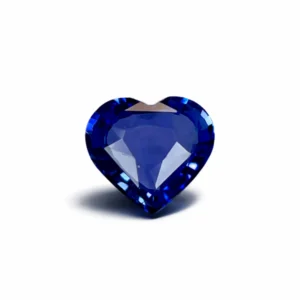
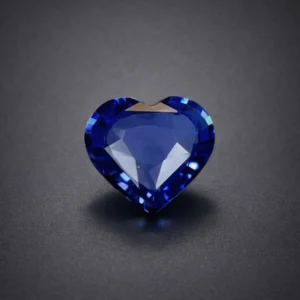
As the world’s gem reserves diminish, owning a Red Songea Sapphire today is not just an aesthetic choice — it’s an investment in nature’s artistry. you can see our blue sapphire here.
Frequently Asked Questions (FAQ)
1. Is the 1.38ct Red Songea Sapphire a natural gemstone?
Yes. Genuine Red Songea Sapphires are naturally mined in Tanzania and are part of the corundum family, the same as blue sapphires and rubies.
2. Are Songea sapphires treated?
Most are heat-treated to improve color and clarity. However, untreated stones are extremely rare and command premium prices.
3. How much does a 1.38ct Red Songea Sapphire cost?
Depending on clarity, treatment, and cut, prices typically range between $400–$1,200 per carat, with untreated stones reaching higher values.
4. How can I verify authenticity?
Always request certification from reputable labs such as GIA, IGI, or SSEF. Avoid uncertified sellers or suspiciously low prices.
5. Is Red Songea Sapphire good for engagement rings?
Absolutely. With its hardness (Mohs 9) and vibrant color, it’s both durable and symbolically meaningful — perfect for daily wear.
6. What’s the difference between Red Songea Sapphire and Ruby?
The difference lies mainly in the color tone and source of chromium. While rubies exhibit pure red tones, Red Songea Sapphires often have an orange or brown undertone.
7. How should I clean my Red Songea Sapphire jewelry?
Use mild soap, warm water, and a soft cloth. Avoid ultrasonic cleaners if the stone is heat-treated.
8. Will the value of Red Songea Sapphires increase?
Yes. Due to reduced mining and increasing demand, especially for untreated pieces, their market value is expected to rise steadily.




Reviews
There are no reviews yet.