Introduction
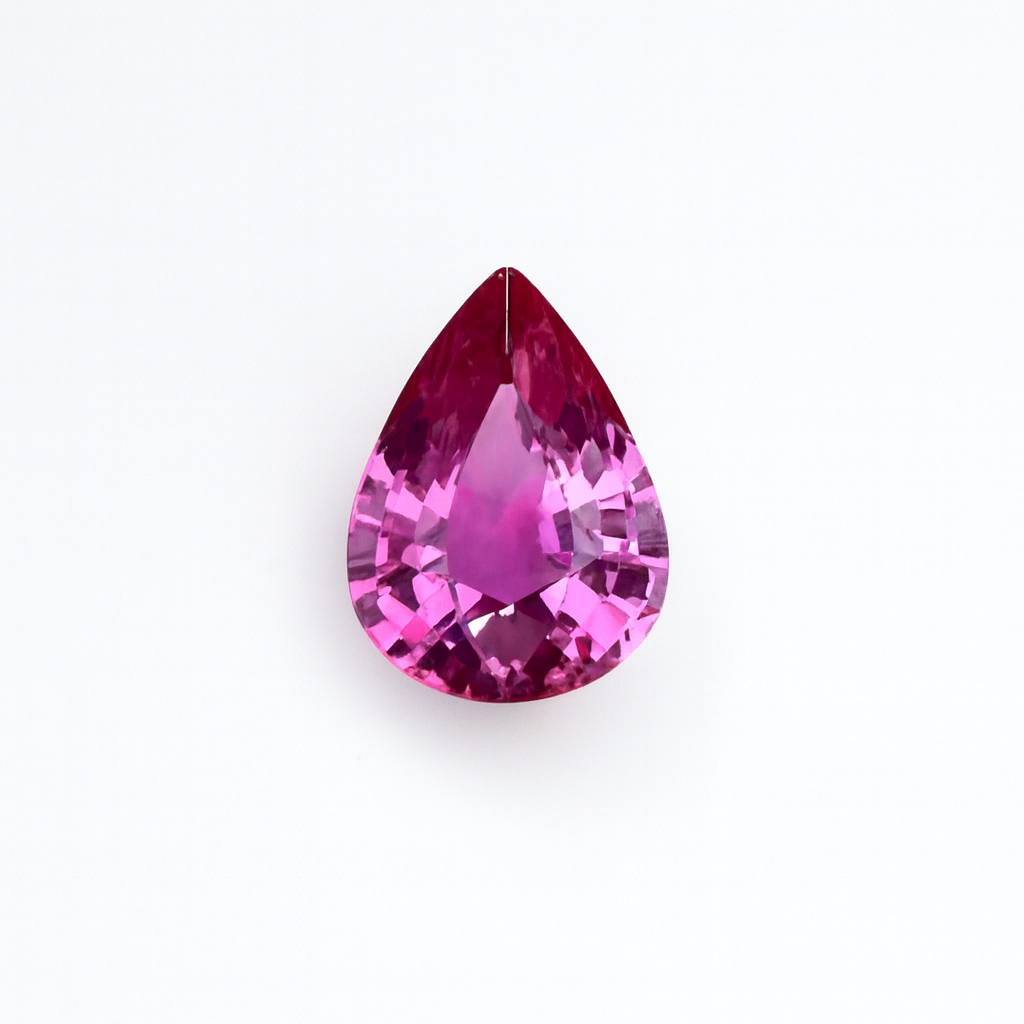
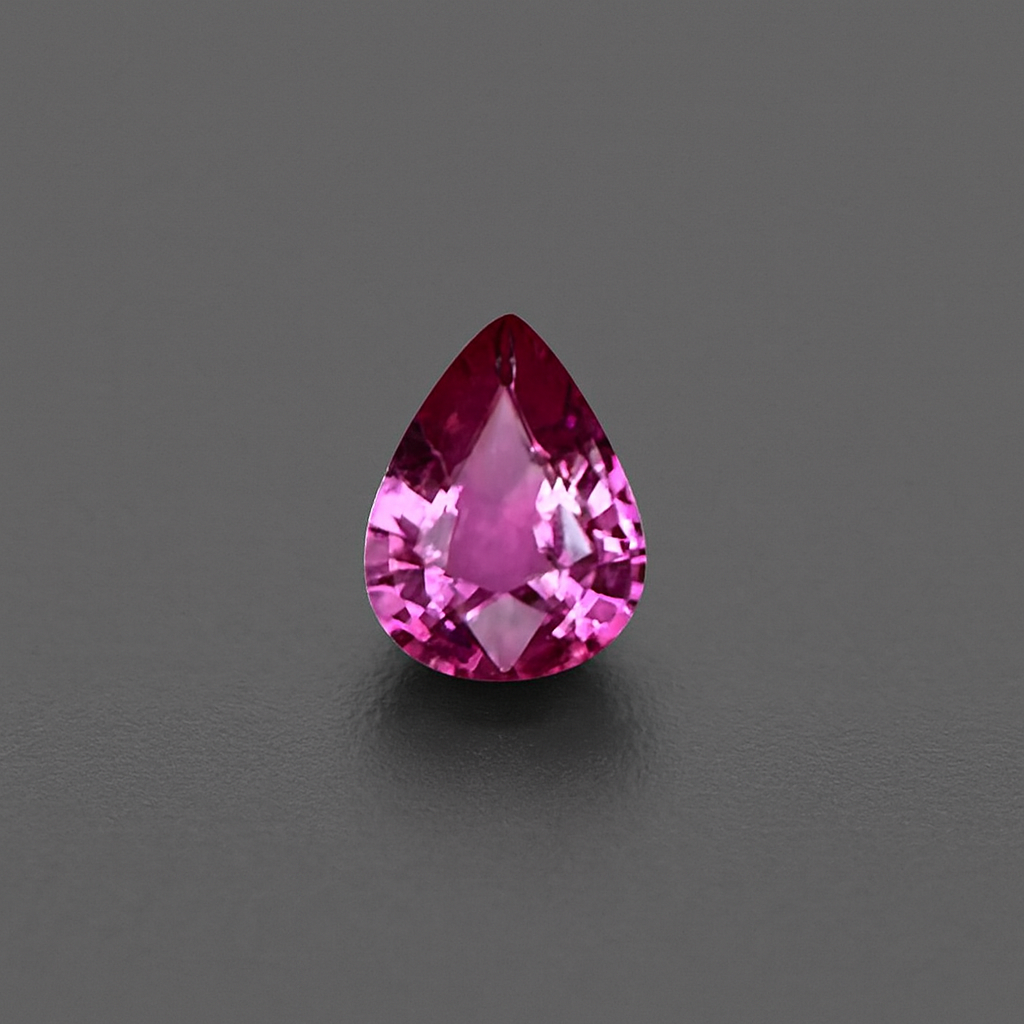
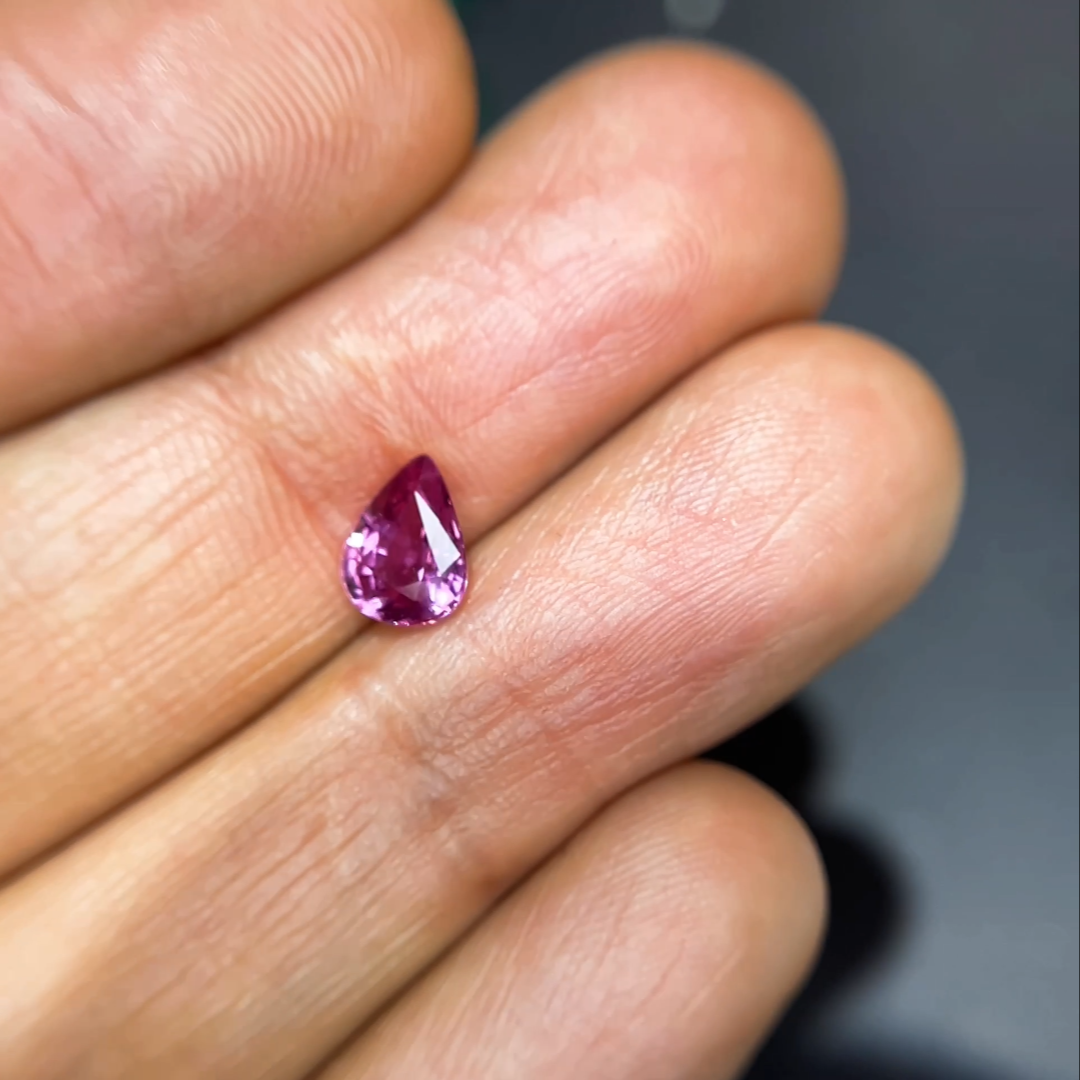
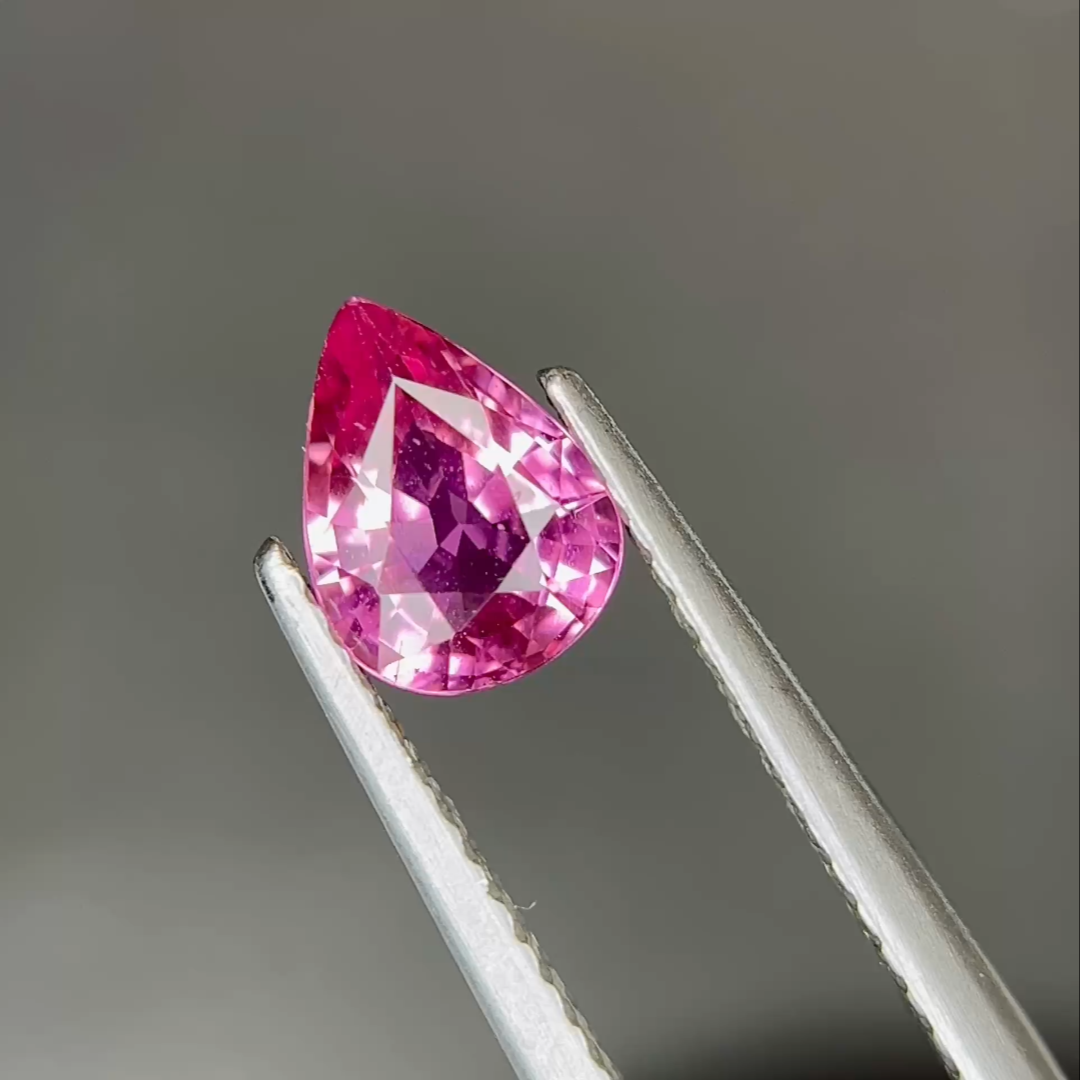
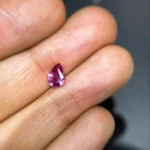
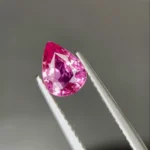
The Pear Shaped Natural Pink Sapphire 1.39 carats is a stunning gemstone that effortlessly combines elegance and rarity. Its unique teardrop shape captures light in a mesmerizing way, making it a favorite choice among jewelry enthusiasts and collectors alike. With its soft yet vibrant pink hue, this sapphire is not just a gem; it’s a statement of sophistication and timeless beauty.
Pink sapphires have historically been symbols of love, compassion, and strength. Unlike traditional red rubies, pink sapphires offer a subtle and romantic charm that appeals to those who prefer elegance without ostentation. The pear shape adds an extra layer of allure, creating an elongating effect that enhances its presence in rings, pendants, and earrings.
Whether you are a first-time buyer or a seasoned collector, understanding the nuances of a 1.39-carat pear-shaped natural pink sapphire is crucial. This guide explores everything from its origins and characteristics to care tips and buying considerations.
Understanding Pink Sapphires
What Makes a Pink Sapphire Special?
Pink sapphires are a variety of corundum, the same mineral that forms rubies and blue sapphires. Their color ranges from pale blush to vibrant magenta, depending on trace elements such as chromium. The intensity of pink and the presence of secondary hues like violet or orange significantly influence their value.
The Pear Shaped Natural Pink Sapphire 1.39 carats stands out due to its balance of size, color, and clarity. A sapphire of this weight is considered moderately large, making it versatile for both everyday wear and statement pieces.
Color and Clarity
Color is arguably the most important factor in determining a pink sapphire’s beauty and worth. The ideal pink sapphire exhibits a vivid, evenly distributed pink color without brown or gray overtones. Transparency is another critical aspect, as a clear stone with minimal inclusions enhances brilliance and fire.
For a pear-shaped sapphire, symmetry plays a key role. Even slight asymmetry can affect how the stone reflects light. A 1.39-carat stone typically allows enough surface area to showcase color depth and clarity without appearing too bulky.
The Pear Shape Advantage
Why Choose Pear Shaped Sapphires?
The pear shape is a combination of the round and marquise cuts, forming a unique teardrop silhouette. This shape is particularly flattering in rings and pendants because it elongates fingers and creates a slimming effect. Pear-shaped stones also allow for more creative jewelry settings, including halo designs, three-stone arrangements, and solitaire pieces.
Light Reflection and Brilliance
The pear cut optimizes the gemstone’s ability to reflect light. The broader end captures and disperses light brilliantly, while the tapered tip creates a delicate sparkle. This makes a Pear Shaped Natural Pink Sapphire 1.39 carats visually striking from every angle.
Comparison with Other Shapes
Compared to round or oval sapphires, pear-shaped stones are less common, which enhances their rarity. While oval sapphires provide classic elegance and round sapphires deliver maximum brilliance, pear-shaped sapphires offer a combination of uniqueness and sophistication that appeals to collectors and jewelry lovers alike.
Origins of Natural Pink Sapphires
Where Do They Come From?
Pink sapphires are mined in several countries, including Sri Lanka, Madagascar, Myanmar (Burma), and Thailand. Each origin contributes subtle differences in color and clarity. For instance, Sri Lankan pink sapphires often have a soft, delicate pink, while Burmese stones tend to exhibit deeper, more vibrant hues.
A Pear Shaped Natural Pink Sapphire 1.39 carats from Sri Lanka is highly prized due to its exceptional color saturation and minimal inclusions. The provenance of a sapphire can significantly impact its value, making certificates from reputable laboratories essential.
Ethical and Sustainable Mining
In recent years, there has been increasing attention on ethically sourced gemstones. Many buyers now prefer sapphires that are traceable and mined with minimal environmental impact. Opting for certified ethical pink sapphires ensures that your 1.39-carat pear-shaped gem is not only beautiful but also responsibly sourced.
Buying Considerations
Certification and Authenticity
When purchasing a Pear Shaped Natural Pink Sapphire 1.39 carats, always ask for a certificate from a recognized gemological laboratory such as GIA, AGS, or SSEF. The certificate confirms the stone’s authenticity, carat weight, color, clarity, and any treatments.
Treatments and Enhancements
Many pink sapphires undergo heat treatment to enhance their color and clarity. While treated stones are common and widely accepted, natural, untreated pink sapphires tend to be more valuable. Understanding the treatment history is crucial for making an informed investment.
Price Factors
The price of a pink sapphire depends on several factors:
-
Carat weight: Larger stones like 1.39 carats command higher prices per carat.
-
Color intensity: Vivid, evenly distributed pinks are the most sought-after.
-
Clarity: Fewer inclusions increase value.
-
Cut quality: Symmetry and polish enhance brilliance.
-
Origin and certification: Stones from reputable sources fetch premium prices.
Caring for Your Pink Sapphire
Cleaning and Maintenance
Pink sapphires are durable but benefit from gentle care. Clean your pear-shaped sapphire with warm water, mild soap, and a soft brush. Avoid harsh chemicals or ultrasonic cleaners if the stone has fractures or fillers.
Storage Tips
Store your sapphire separately from other jewelry to prevent scratches. A soft cloth pouch or a dedicated jewelry box compartment works best.
Regular Inspections
If your sapphire is set in a ring or pendant, check the prongs and settings regularly. Professional jewelers can help maintain the stone’s integrity and brilliance over time.
Styling Ideas
Engagement Rings
Pear-shaped pink sapphires are increasingly popular in engagement rings. Their romantic pink hue paired with a halo of diamonds creates a striking centerpiece that symbolizes love and individuality.
Pendants and Earrings
A Pear Shaped Natural Pink Sapphire 1.39 carats also shines beautifully in pendants and drop earrings. The teardrop shape accentuates the neck and face, making it perfect for special occasions.
Custom Jewelry
For collectors, pear-shaped pink sapphires can be incorporated into bespoke jewelry pieces, such as rings with colored side stones, intricate halo settings, or even multi-gem arrangements. The versatility of the shape allows for endless creative possibilities.
Investment Potential
Natural pink sapphires, especially rare shapes like pear cuts, hold significant investment value. With demand increasing in the fine jewelry market and limited availability, a 1.39-carat pear-shaped pink sapphire can be both a wearable gem and a tangible asset.
Market Trends
According to recent gem market reports, pink sapphires have seen a steady appreciation in value over the past decade, especially untreated stones with vivid colors. Collectors and investors often compare pink sapphires to rubies in terms of long-term value retention.
FAQs
Q1: How can I tell if a pink sapphire is natural or synthetic?
A: Certificates from recognized labs like GIA or AGS are essential. Natural sapphires show characteristic inclusions, whereas synthetics often have curved growth lines.
Q2: Is pear shape better than oval for engagement rings?
A: It depends on personal preference. Pear shapes elongate fingers and offer unique aesthetics, while ovals are classic and highly brilliant.
Q3: Can pink sapphires fade over time?
A: No, natural pink sapphires are highly stable and resistant to fading under normal wear conditions.
Q4: How should I care for my pear-shaped pink sapphire ring?
A: Clean gently with mild soap and water, store separately, and inspect prongs regularly to ensure security.
Q5: Are untreated pink sapphires worth the premium?
A: Yes, untreated stones with vibrant color are rarer and generally more valuable than treated stones.
Conclusion
The Pear Shaped Natural Pink Sapphire 1.39 carats is more than just a gemstone; it is a symbol of elegance, romance, and refined taste. Its unique shape, vibrant color, and versatile styling options make it a treasured addition to any jewelry collection. Whether as an investment, a gift, or a statement piece, this sapphire combines beauty, durability, and long-term value.
Choosing a certified, ethically sourced pink sapphire ensures that your gem is authentic and responsibly mined. With proper care, your pear-shaped sapphire will retain its brilliance for generations, making it a timeless symbol of elegance and sophistication.



Reviews
There are no reviews yet.