Introduction
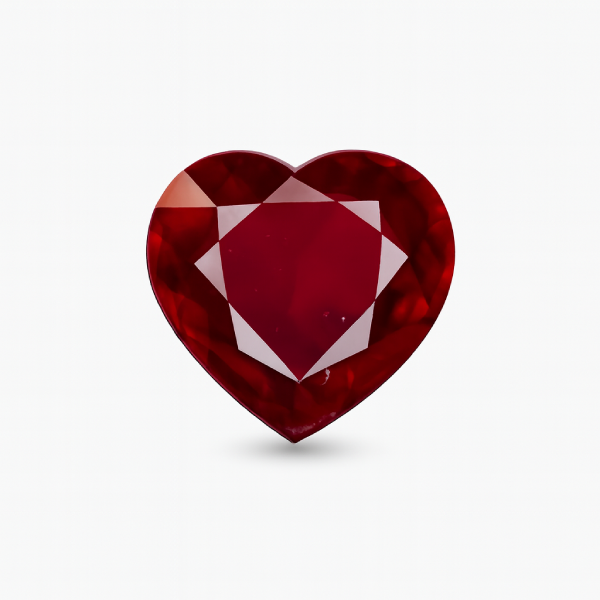
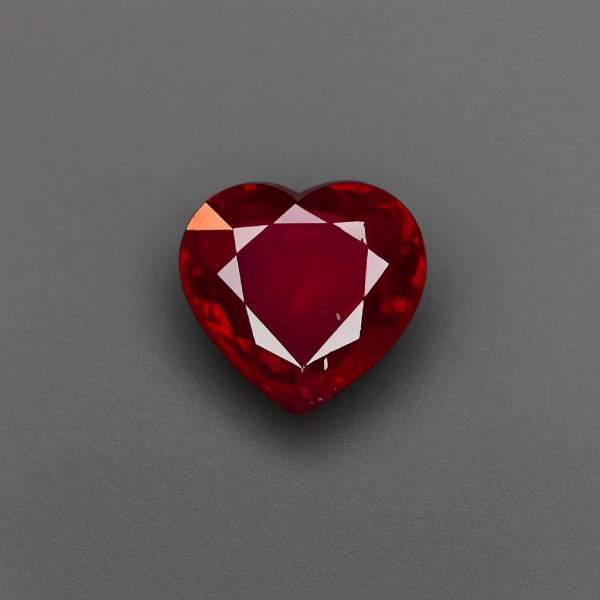
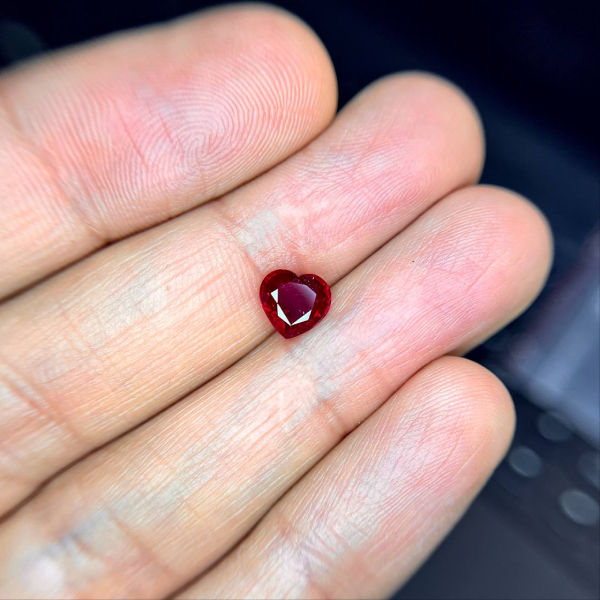
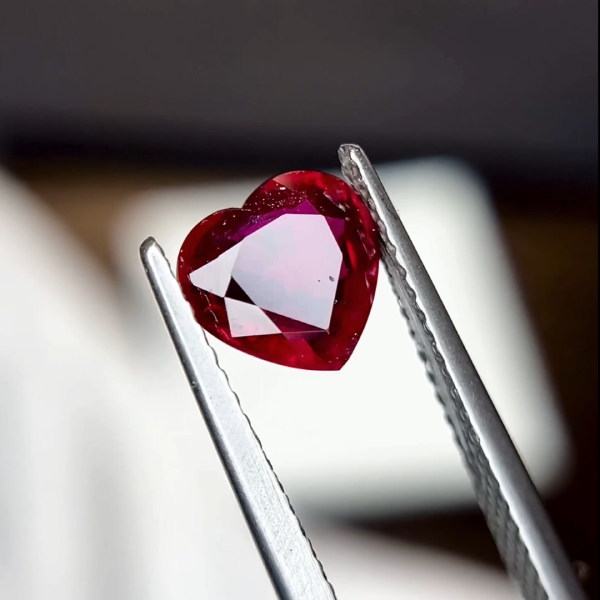
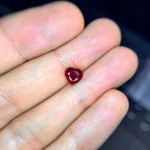
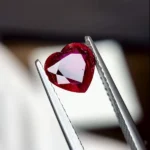
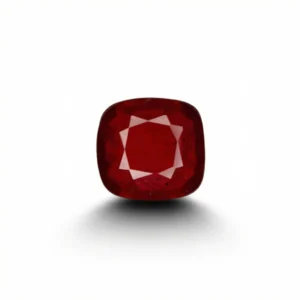
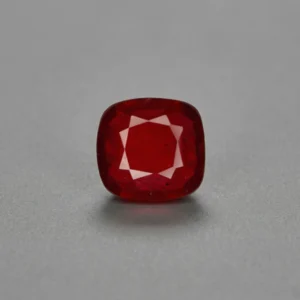
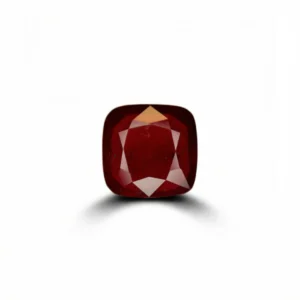
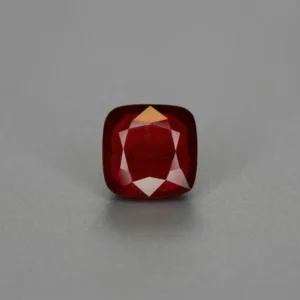
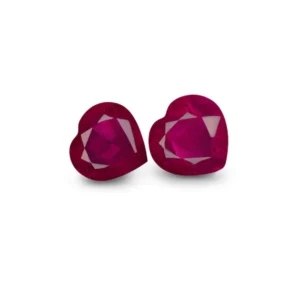
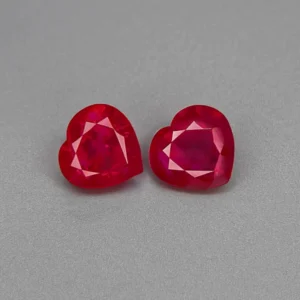
A Natural heart shaped pigeon blood ruby is one of the rarest and most captivating gemstones in the world. With its vibrant red hue, perfect clarity, and exquisite heart-shaped cut, this ruby symbolizes love, passion, and luxury. For collectors, jewelry enthusiasts, and gem connoisseurs, owning a ruby of this caliber is not only a statement of elegance but also a long-term investment.
The 1.51 carat size offers a unique balance of beauty and versatility. It is large enough to showcase the gem’s intense color and sparkle while remaining suitable for rings, pendants, or custom jewelry designs. Unlike synthetic or treated rubies, a natural pigeon blood ruby maintains its authenticity, making it a highly coveted gemstone in the global market.
In this article, we will explore every aspect of a natural heart shaped pigeon blood ruby, from its origins and characteristics to buying tips and investment potential. Whether you are a first-time buyer or a seasoned collector, this comprehensive guide will answer your questions and provide practical insights.
Understanding Pigeon Blood Rubies
What Makes Pigeon Blood Rubies Special?
Pigeon blood rubies are widely recognized as the finest quality rubies. Their hallmark is a rich, vivid red color, often described as a perfect balance between crimson and pink. This intense red color is not only visually stunning but also rare in nature, making pigeon blood rubies highly valuable.
The term “pigeon blood” originated from the 19th century when gemologists noticed that the most desirable rubies exhibited a deep red color similar to the color of a pigeon’s eye blood. Today, this term is internationally accepted in the gem market, particularly for rubies from Myanmar (Burma), although Zambian and other African rubies are also sometimes considered under this classification when their color matches.
Characteristics of a Natural Heart Shaped Ruby
The heart shape adds a layer of emotional and aesthetic value to the gemstone. While round and oval rubies are more common, heart-shaped rubies symbolize love and commitment, making them perfect for engagement rings or romantic gifts.
Key characteristics of a natural heart shaped pigeon blood ruby include:
-
Color: Vivid red, sometimes with a slight blue undertone.
-
Clarity: Generally clean with minor inclusions visible under magnification.
-
Cut: Heart-shaped with symmetrical lobes, a sharp cleft, and precise facets to maximize brilliance.
-
Carat: 1.51 carats, offering both elegance and versatility in jewelry design.
Origins and Mining Locations
Rubies are primarily mined in Myanmar, Thailand, Sri Lanka, and Zambia. Each location imparts unique characteristics to the stone.
Myanmar (Burma)
Myanmar remains the gold standard for pigeon blood rubies. The Mogok Valley, in particular, produces rubies with exceptional color saturation and minimal inclusions. Burmese rubies are highly sought after by collectors and can fetch prices well above average.
Zambia
Zambian rubies are known for their deep red color with slight violet undertones. While slightly darker than Burmese rubies, Zambian rubies offer a more affordable alternative with excellent clarity and durability.
Other Sources
Thailand and Sri Lanka also produce rubies, but their color and crystal formation often differ. Thai rubies, for instance, may exhibit a darker, more garnet-like hue, while Sri Lankan rubies are lighter and more transparent.
Grading a Natural Heart Shaped Pigeon Blood Ruby
Grading rubies involves assessing the Four Cs: Color, Clarity, Cut, and Carat weight.
Color
Color is the most critical factor. For a pigeon blood ruby, expect a pure red hue with high saturation and medium to dark tone. A subtle blue undertone enhances the gemstone’s appeal and increases its market value.
Clarity
While inclusions are natural, the fewer and less visible they are, the higher the quality. Eye-clean rubies (no visible inclusions without magnification) are extremely rare. Most natural rubies contain minor inclusions that do not affect their brilliance.
Cut
The heart-shaped cut requires precision. Symmetry is crucial; both lobes should be identical, with a sharp cleft in the middle. A well-cut ruby will maximize light reflection, producing a vivid sparkle and rich color from all angles.
Carat
At 1.51 carats, this ruby strikes a perfect balance. It is large enough to showcase the gemstone’s natural beauty but remains versatile for various jewelry settings, including rings, pendants, and earrings.
Caring for Your Natural Heart Shaped Pigeon Blood Ruby
Rubies are among the hardest gemstones, ranking 9 on the Mohs scale, but they still require proper care to maintain their brilliance.
Cleaning
Use warm soapy water and a soft brush. Avoid harsh chemicals or ultrasonic cleaners, especially if the ruby has been treated with oil or filler.
Storage
Store separately from other gemstones to prevent scratches. A soft-lined jewelry box or pouch is ideal.
Handling
Avoid exposing the ruby to sudden temperature changes or harsh chemicals. Daily wear is generally safe, but occasional professional cleaning will preserve its sparkle.
Investment Potential of Pigeon Blood Rubies
Natural rubies, especially pigeon blood quality, are not only beautiful but also excellent investments. They are rarer than diamonds in the same size and color grade, and their value has steadily increased over the past decades.
Key points for investors:
-
High-quality Burmese rubies consistently outperform other gemstones in value retention.
-
Heart-shaped cuts appeal to niche markets, particularly in luxury jewelry.
-
A 1.51 carat natural pigeon blood ruby is likely to appreciate over time due to rarity and demand.
Jewelry Applications
A heart-shaped ruby is versatile and suitable for a range of jewelry designs:
Rings
A 1.51 carat heart-shaped ruby makes a stunning center stone for engagement or cocktail rings. Paired with diamonds or sapphires, it creates a luxurious and unique look.
Pendants
Heart-shaped rubies are ideal for pendants. Their symbolism of love and passion makes them perfect gifts for anniversaries or romantic occasions.
Earrings
Matched pairs of smaller heart-shaped rubies can create elegant earrings. For single-stone earrings, a 1.51 carat ruby offers a bold and eye-catching statement.
Buying Guide: How to Choose a Natural Heart Shaped Pigeon Blood Ruby
When purchasing, ensure you check for authenticity and quality. Here’s what to look for:
Certification
Always buy rubies accompanied by certification from reputable gemological laboratories like GIA or AGS. Certification ensures the stone is natural, untreated, and accurately graded.
Color and Clarity
Compare rubies under natural light to observe color intensity. Minor inclusions are acceptable, but avoid stones with cracks or cloudiness.
Cut Precision
Examine the symmetry and polish. A well-cut heart-shaped ruby will reflect light evenly, enhancing its visual appeal.
Price Comparison
Prices vary widely based on origin, quality, and rarity. For a 1.51 carat natural pigeon blood ruby, expect premium pricing due to its exceptional color and cut.
Frequently Asked Questions (FAQ)
1. What makes a ruby “pigeon blood”?
A pigeon blood ruby is defined by its intense, vivid red color with a slight blue undertone. This coloration is rare and highly sought after in the gemstone market.
2. Is a heart-shaped ruby more expensive than other shapes?
Yes, heart-shaped rubies require precise cutting and are less common, which generally increases their market value compared to round or oval rubies of similar quality.
3. How do I know if my ruby is natural?
Ensure it comes with a certificate from a reputable lab like GIA. Natural rubies may have minor inclusions, unlike synthetic or treated stones.
4. Can I wear a 1.51 carat heart-shaped ruby every day?
Yes, rubies are durable, but avoid harsh chemicals and store separately from other jewelry to prevent scratches.
5. Are Burmese rubies more valuable than Zambian rubies?
Generally, yes. Burmese rubies, particularly pigeon blood quality, command higher prices due to their color intensity and historical significance.
6. What metals complement a heart-shaped ruby?
Gold (yellow, white, or rose) and platinum enhance the ruby’s red hue. Diamond accents also add brilliance and contrast.
7. How do I clean my ruby safely?
Use warm soapy water and a soft brush. Avoid harsh chemicals or ultrasonic cleaners for untreated stones.
8. Can a 1.51 carat ruby be used in engagement rings?
Absolutely. Its size, shape, and vibrant color make it an ideal choice for romantic jewelry designs.
9. Are heart-shaped rubies suitable for resale?
Yes, especially if certified and in excellent condition. Their unique shape and pigeon blood color increase resale value.
10. How rare is a 1.51 carat pigeon blood ruby?
Extremely rare. Rubies of this size with true pigeon blood color are among the most sought-after gemstones in the world.
Conclusion
A natural heart shaped pigeon blood ruby | 1.51 carat is a gemstone that embodies beauty, elegance, and rarity. Its vivid color, precise heart-shaped cut, and durability make it perfect for jewelry or investment. By understanding its characteristics, origin, and market value, buyers can make informed decisions and enjoy this stunning gemstone for generations.
Whether as a romantic gift or a collector’s treasure, this ruby remains a timeless symbol of passion and sophistication. For those seeking both aesthetic appeal and investment potential, a heart-shaped pigeon blood ruby is an unparalleled choice.

Reviews
There are no reviews yet.