Introduction
The Rare and Stunning Blue Gemstone
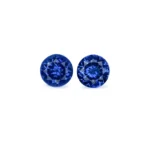
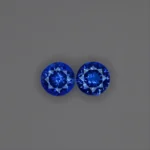
Tanzanite is one of the most captivating gemstones in the world. Discovered only in the 1960s in Tanzania, it is celebrated for its deep blue-violet hues and extraordinary rarity. This gemstone has quickly gained popularity in jewelry, particularly in rings and necklaces, and is prized for both its beauty and unique origin.
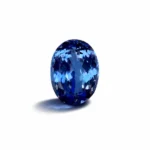
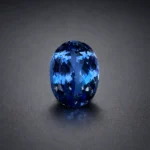
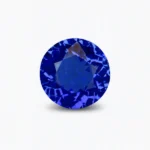
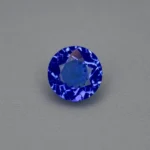
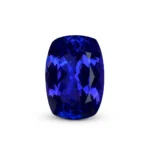
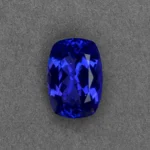
Unlike other gemstones, tanzanite exhibits remarkable trichroism, meaning it shows different colors—blue, violet, and burgundy—depending on the angle of light. This feature makes each tanzanite stone uniquely mesmerizing and adds to its allure among collectors and jewelry enthusiasts.
With increasing demand and limited supply, tanzanite has become a symbol of elegance and exclusivity. Its vibrant color and ethical sourcing appeal to modern buyers who value both aesthetics and responsible mining practices.
Origins and History of Tanzanite
Tanzanite is exclusively found in the Merelani Hills of Northern Tanzania. This makes it nearly impossible to replicate naturally elsewhere, enhancing its rarity. The gemstone was named after its country of origin and was popularized by Tiffany & Co., who recognized its commercial potential in the late 1960s.
Historically, local tribes considered the gemstone sacred, believing it had protective and healing powers. Today, tanzanite continues to be cherished for its beauty and symbolic meaning, often representing transformation and new beginnings.
Physical Properties of Tanzanite
Tanzanite belongs to the zoisite mineral family, with a hardness of 6.5 to 7 on the Mohs scale. Its moderate hardness makes it suitable for jewelry but requires careful handling to prevent scratches.
Color and Clarity
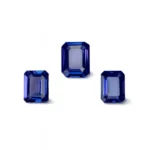
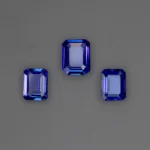
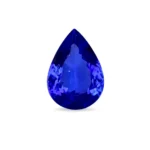
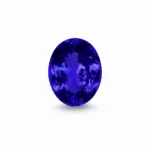
The most prized tanzanite color is a deep, vivid blue with violet undertones. Lighter shades are also available and are more affordable, while darker stones carry higher value. Clarity is another important factor; high-quality tanzanite should be transparent with minimal inclusions.
Trichroism
One of tanzanite’s most fascinating features is trichroism. When viewed from different angles, it can appear blue, violet, or burgundy. Jewelry designers often cut tanzanite to maximize this visual effect, enhancing the stone’s natural beauty.
Uses in Jewelry
Tanzanite is widely used in rings, earrings, bracelets, and pendants. Its vibrant color complements both gold and silver, making it versatile for various designs.
-
Engagement Rings: Tanzanite provides a unique alternative to traditional diamonds. Its vivid blue hues are perfect for custom designs.
-
Pendants and Earrings: The gemstone’s rich color stands out in statement pieces, attracting attention in both casual and formal settings.
-
Custom Jewelry: Jewelry designers often combine tanzanite with diamonds or other gemstones to enhance its brilliance and appeal.
Caring for Tanzanite
Although tanzanite is relatively durable, it is more fragile than diamonds or sapphires. Proper care ensures longevity:
-
Avoid exposure to sudden temperature changes.
-
Clean gently with mild soap and warm water.
-
Remove jewelry during physical activities to prevent chipping.
-
Store separately to avoid scratches from harder stones.
Tanzanite Value and Investment
Tanzanite is a rare gemstone, with over 95% of global supply originating from a single region. Its scarcity and rising demand have made it a popular choice for investment. Factors influencing value include color, clarity, size, and cut. Deep blue and violet stones with minimal inclusions typically command the highest prices.
Collectors often view tanzanite as a long-term investment due to its limited supply and increasing demand. Ethical sourcing is also important, as responsible mining practices enhance the gemstone’s value and appeal.
Fun Facts About Tanzanite
-
Tanzanite is the birthstone for December, alongside turquoise and zircon.
-
It was only recognized as a distinct gemstone in 1967.
-
Tiffany & Co. named it “Tanzanite” and helped popularize it worldwide.
-
Tanzanite is often heat-treated to enhance its blue-violet color.
Frequently Asked Questions (FAQ)
1. Is Tanzanite rare?
Yes. Tanzanite is extremely rare and found only in a small area in Northern Tanzania.
2. How can I tell if Tanzanite is real?
Authentic tanzanite shows trichroism (blue, violet, burgundy) and is transparent with minimal inclusions. Certificates from reputable labs can confirm authenticity.
3. Can Tanzanite be worn daily?
It can, but caution is advised due to its moderate hardness. Avoid rough handling and store separately from harder stones.
4. What makes Tanzanite valuable?
Color, clarity, size, and cut determine value. Deep blue-violet stones with few inclusions are the most prized.
5. Is Tanzanite a good investment?
Yes. Its rarity and increasing demand make it appealing for collectors and investors alike.