Introduction
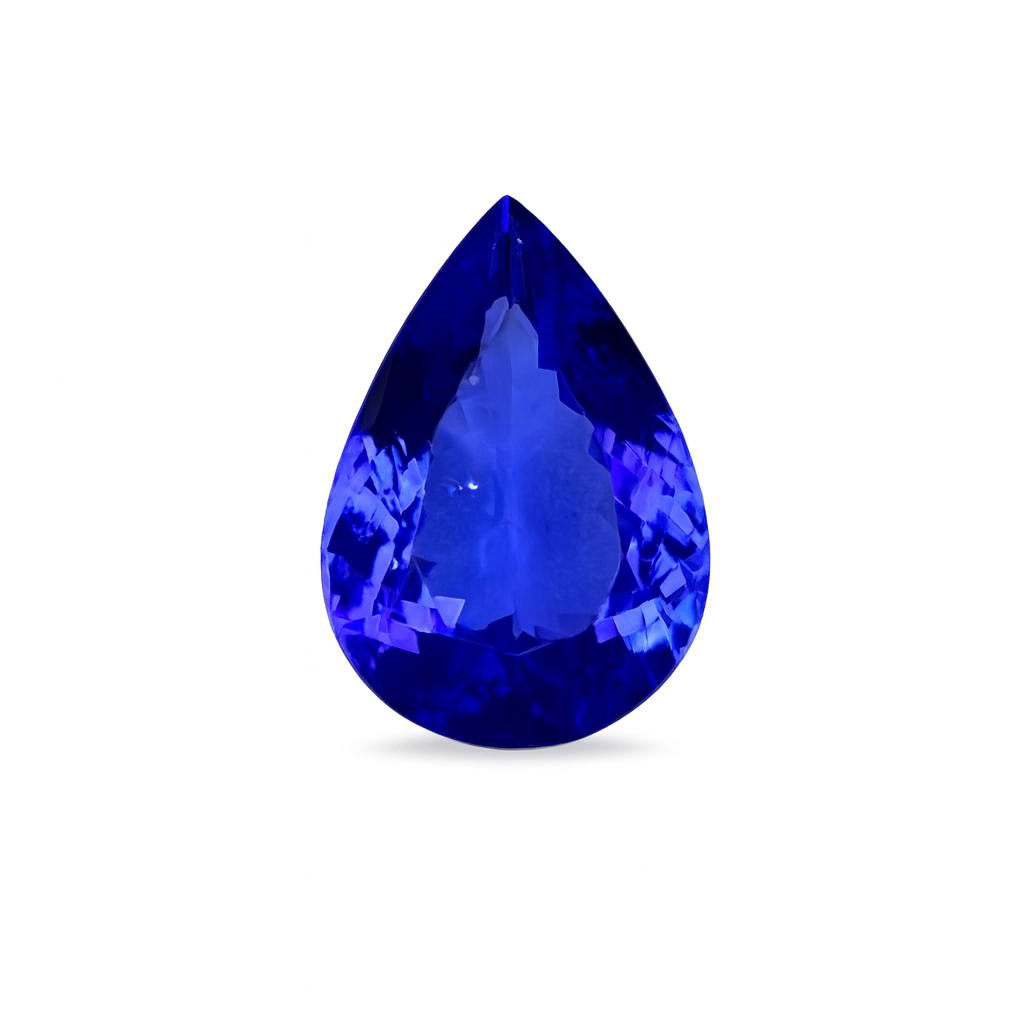
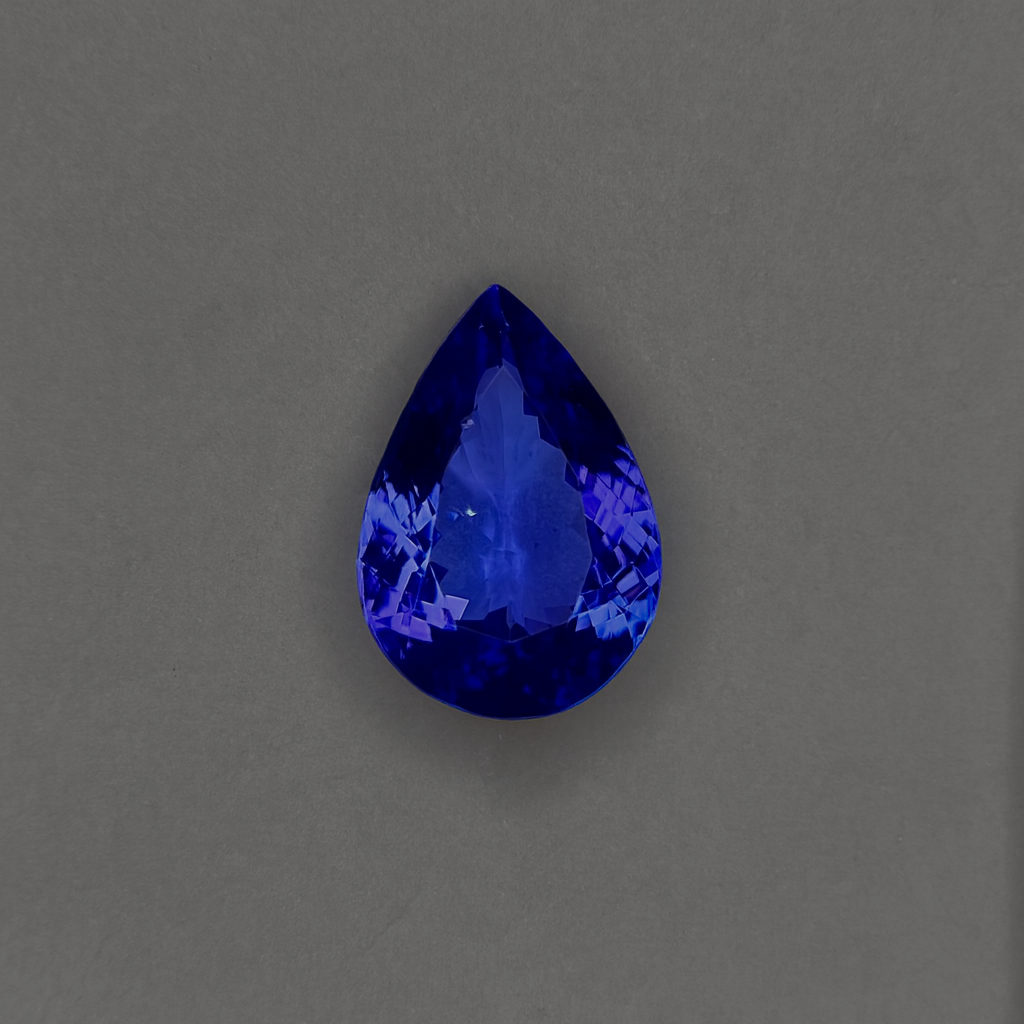
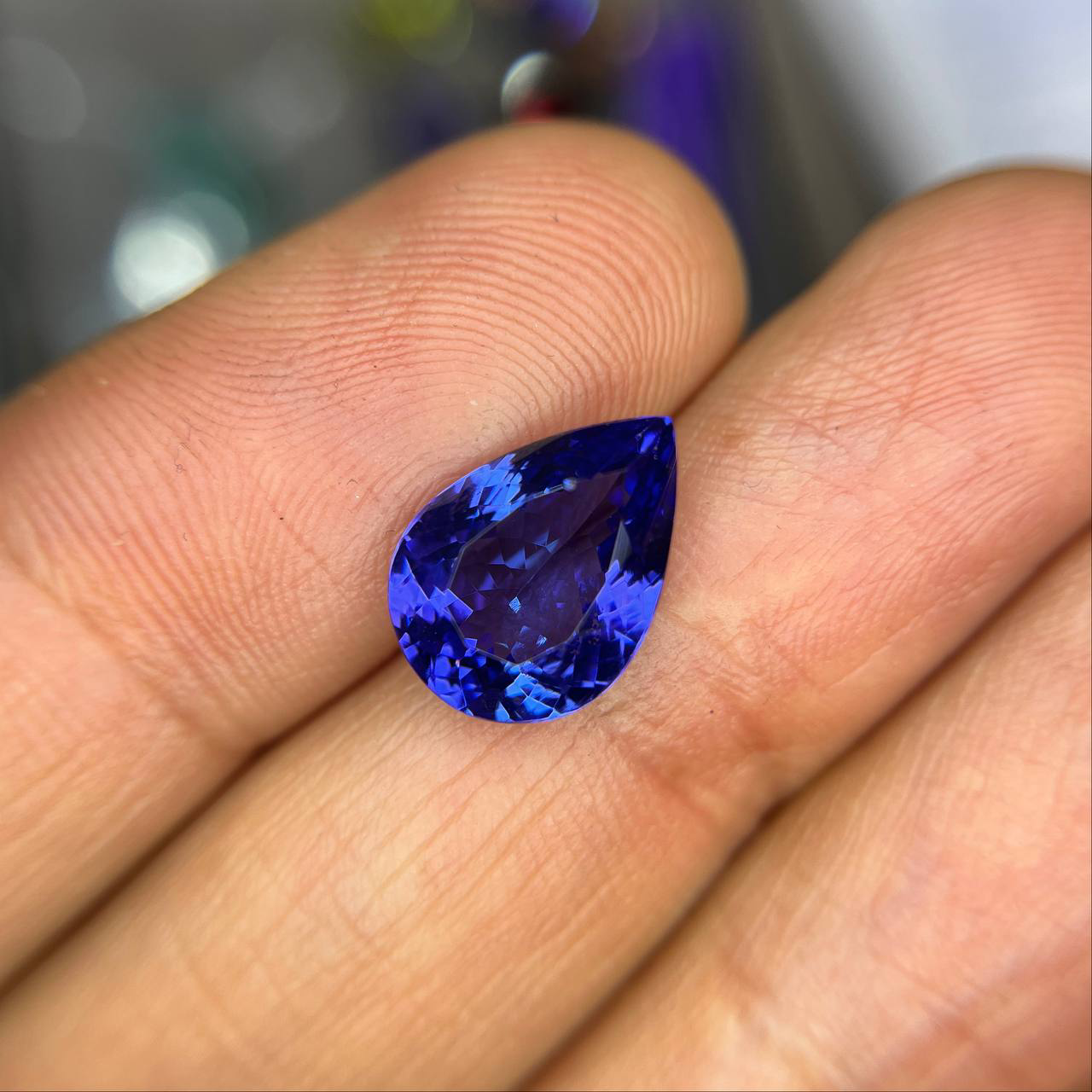
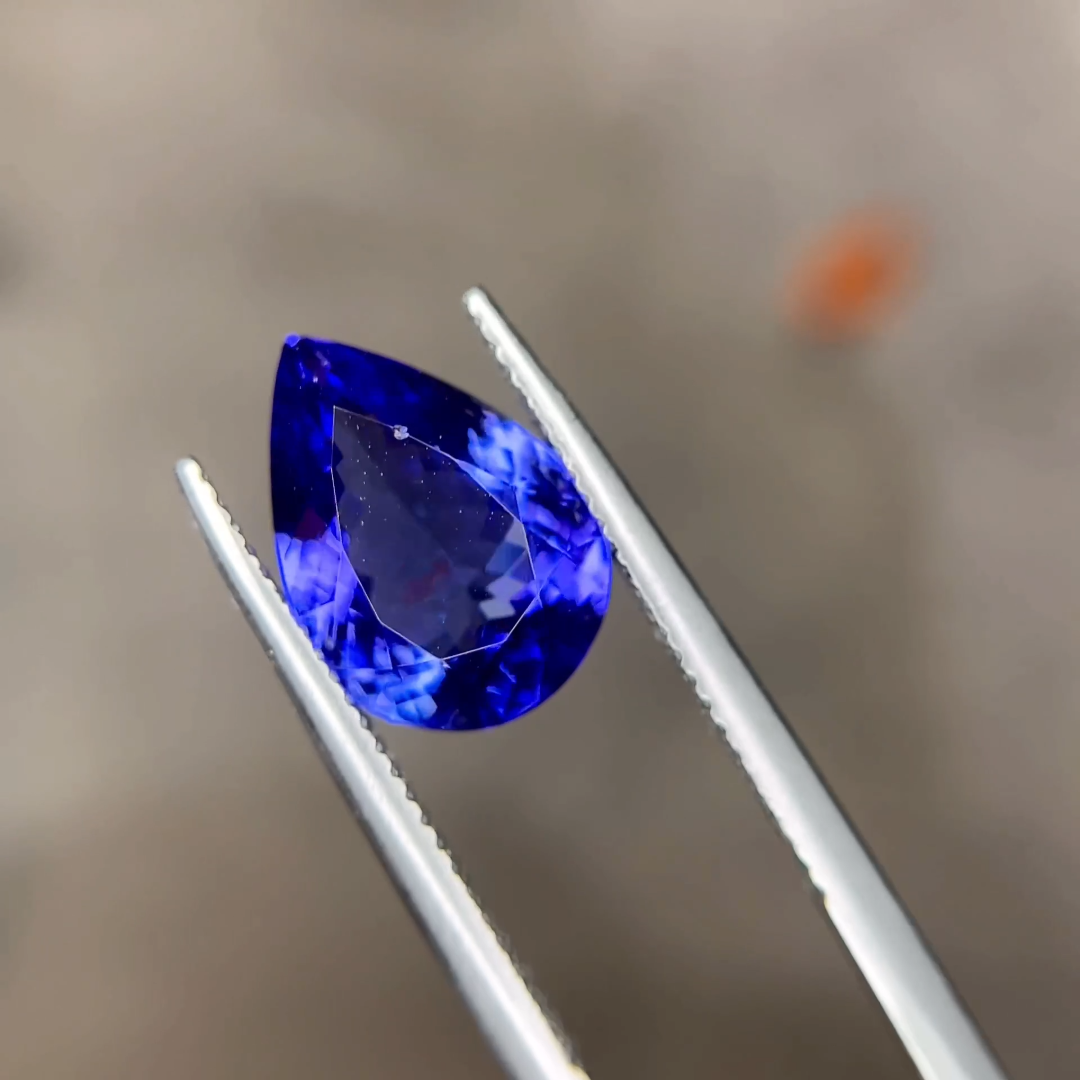
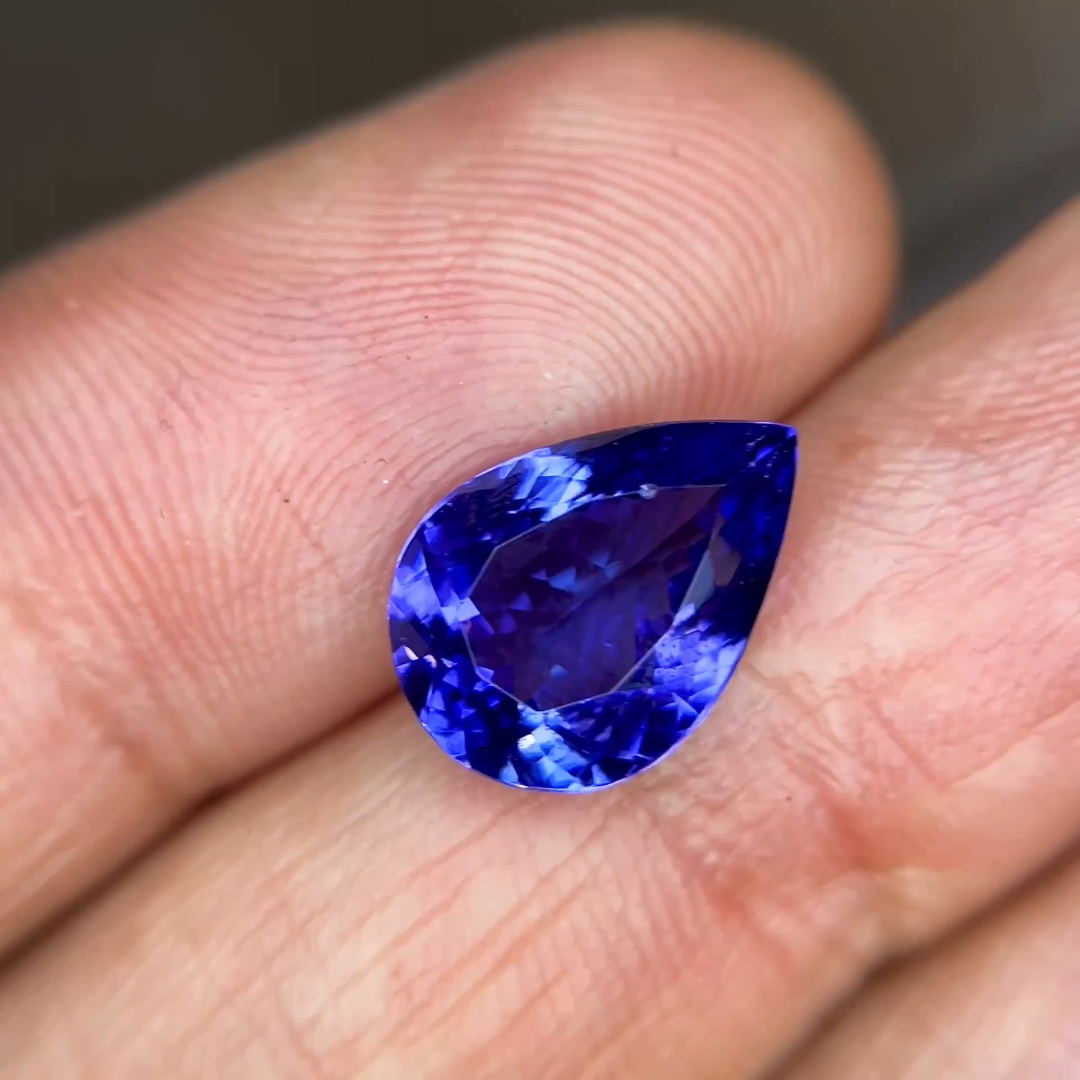
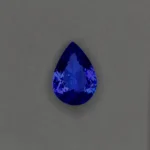
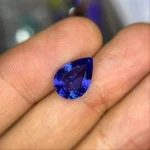
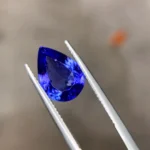
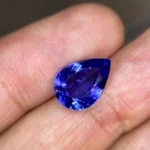
Among the rarest and most mesmerizing gemstones on Earth, the Natural Deep Blue Pear Shaped Tanzanite stands as a true marvel of color, rarity, and elegance. Its captivating deep blue hue, often tinged with flashes of violet, has made it one of the most sought-after gems in high-end jewelry and gemstone collections worldwide.
Discovered only in the foothills of Mount Kilimanjaro in Tanzania, this gemstone is about a thousand times rarer than diamond. The pear shape, known for its graceful teardrop silhouette, amplifies Tanzanite’s brilliance and unique pleochroism—its ability to display different colors when viewed from different angles.
Whether used in a sophisticated pendant or a statement engagement ring, a Natural Deep Blue Pear Shaped Tanzanite combines the depth of the ocean with the fire of fine gemstones, making it a centerpiece of timeless beauty and emotional significance.
What Is Natural Deep Blue Pear Shaped Tanzanite?
The term “Natural Deep Blue Pear Shaped Tanzanite” refers to a genuine, untreated Tanzanite gemstone that exhibits a rich, saturated blue tone and has been cut into a pear shape. The deep blue color represents the most valuable and desirable hue in Tanzanite grading, often achieved only in larger, high-quality crystals.
Tanzanite belongs to the mineral family zoisite, with a unique chemical composition of calcium aluminum silicate. It’s a trichroic gem, which means it shows three distinct colors—blue, violet, and burgundy—depending on the direction of light.
Why Pear Shape Matters
The pear shape (also called teardrop) is popular for its elegant symmetry and versatility. It combines the brilliance of a round cut with the lengthening appeal of a marquise cut. In Tanzanite, this shape enhances the stone’s depth of color while maximizing light reflection.
The Origin of Tanzanite: From Tanzania to the World
Discovery and History
Tanzanite was discovered in 1967 by a Maasai tribesman near the Merelani Hills in Northern Tanzania. It quickly gained global attention when Tiffany & Co. introduced it to the international market, naming it after its country of origin.
Since then, Tanzanite has become one of the most cherished modern gemstones, celebrated for its vivid blue-violet tones and limited geographic source. Unlike sapphires, which are mined in multiple countries, Natural Deep Blue Tanzanite is found only in one small region of the world, making it an exclusive and finite treasure.
Mining and Sustainability
The Tanzanite mining area covers only about 8 square miles, divided into several mining blocks (A to D). Due to limited reserves, experts predict that commercial mining might be depleted within the next few decades.
Modern mining operations are focusing increasingly on ethical and sustainable extraction, ensuring fair labor practices and environmental protection. Buyers are encouraged to purchase from certified dealers who support responsible sourcing.
Color Grading of Deep Blue Tanzanite
The color of a Tanzanite gemstone is its most defining feature. In gemology, Tanzanite colors range from light lavender to intense royal blue.
Key Color Categories
-
Light Blue/Violet Tanzanite: More affordable but less saturated.
-
Medium Blue Tanzanite: A balance between brilliance and price.
-
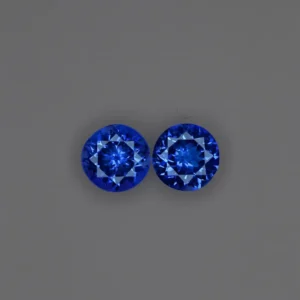
Deep Blue Tanzanite: The rarest and most valuable, often showing a velvety royal blue with flashes of violet.
The Natural Deep Blue Pear Shaped Tanzanite typically belongs to the top 10% of Tanzanite grades, representing exceptional saturation and clarity. Such stones are usually cut from larger crystals and command premium prices.
Cut and Craftsmanship: The Art of the Pear Shape
Cutting Tanzanite requires precision to enhance its trichroic properties. A well-cut pear shape allows the stone to exhibit a balance of blue and violet hues, especially when viewed under natural or incandescent light.
Key Aspects of the Pear Cut
-
Symmetry: The tip and rounded end must align perfectly for aesthetic balance.
-
Facet Alignment: Correct orientation reveals Tanzanite’s color play and minimizes visible inclusions.
-
Proportions: Ideal depth-to-width ratio maintains brilliance and color intensity.
Expert lapidaries use 3D scanning and precision cutting tools to shape each Tanzanite gemstone. The goal is to preserve carat weight while optimizing sparkle and color dispersion.
Clarity and Transparency
Like most gemstones, clarity significantly influences the value of Tanzanite. High-grade stones are nearly eye-clean, meaning inclusions are not visible to the naked eye. Common inclusions include fine needles or crystal veils, formed during natural crystallization.
A Natural Deep Blue Pear Shaped Tanzanite with excellent clarity and strong color saturation is a top-tier gemstone that appeals to collectors and investors alike.
Carat Weight and Pricing
Tanzanite’s value increases exponentially with size and color intensity. While smaller stones (under 1 carat) are affordable, the finest deep blue Tanzanite gems above 5 carats can reach thousands of dollars per carat.
Average Price Range (2025)
| Quality |
Color Depth |
Price per Carat (USD) |
| Commercial Grade |
Light Blue |
$150 – $300 |
| Fine Grade |
Medium Blue |
$400 – $800 |
| Top Grade |
Deep Blue |
$1,000 – $2,500+ |
Why Choose Natural Tanzanite Over Treated Stones
Many Tanzanites on the market undergo mild heat treatment to enhance color—a stable and widely accepted process. However, natural deep blue Tanzanites with minimal or no treatment are exceedingly rare and more valuable.
Collectors often prefer natural stones for their purity, authenticity, and investment potential. Certificates from recognized laboratories such as GIA or IGI provide verification of origin and treatment status.
Symbolism and Spiritual Meaning
Tanzanite is often called the Stone of Transformation. Its deep blue color symbolizes wisdom, truth, and spiritual awakening. In crystal healing traditions, it’s associated with the third eye and crown chakras, believed to promote calmness and emotional clarity.
Wearing a Natural Deep Blue Pear Shaped Tanzanite pendant is thought to help balance one’s inner energy while adding elegance and grace to any outfit.
Popular Jewelry Uses
1. Tanzanite Rings
Pear shaped Tanzanite rings are favored for their elegant silhouette. The pointed tip elongates the finger, creating a refined, regal appearance. Many designs pair Tanzanite with white diamonds to enhance brilliance.
2. Tanzanite Necklaces
A deep blue pear Tanzanite set in white gold or platinum makes a stunning centerpiece. The gemstone’s teardrop form naturally complements pendant settings, symbolizing tears of joy and emotional depth.
3. Tanzanite Earrings
Matched pairs of pear shaped Tanzanites are used in drop or chandelier earrings. They deliver sophistication and movement, allowing light to interact beautifully with the gem’s color zones.
How to Care for a Natural Deep Blue Pear Shaped Tanzanite
Tanzanite ranks 6 to 6.5 on the Mohs hardness scale, making it softer than sapphire or diamond. Proper care ensures long-term brilliance and stability.
Maintenance Tips
-
Avoid ultrasonic cleaners; use mild soap and warm water instead.
-
Store separately to prevent scratching by harder gems.
-
Protect from sudden temperature changes and impacts.
-
Have professional cleaning and inspection annually.
By following these simple steps, your Tanzanite jewelry can last for generations, preserving its beauty and emotional significance.
Tanzanite as an Investment
Because it’s geographically exclusive and geologically rare, Tanzanite’s value has shown steady growth over the years. Analysts predict increasing prices as reserves diminish.
High-grade stones like Natural Deep Blue Pear Shaped Tanzanite are considered collectible assets, especially when accompanied by authenticity certificates and ideal cuts.
Investors often diversify their gemstone portfolios with Tanzanite for its combination of rarity, beauty, and emotional appeal.
Comparison: Tanzanite vs Sapphire
| Feature |
Tanzanite |
Sapphire |
| Origin |
Only Tanzania |
Multiple countries |
| Color |
Blue to violet |
Blue, yellow, pink, etc. |
| Hardness |
6–6.5 |
9 |
| Rarity |
Extremely rare |
Moderately rare |
| Pleochroism |
Strong (3 colors) |
Weak |
While sapphires are more durable, Tanzanite offers a more dynamic color play and greater exclusivity—qualities that make it a gemstone of emotional and artistic depth.
Conclusion
A Natural Deep Blue Pear Shaped Tanzanite is more than a gemstone—it’s a piece of Earth’s rarest beauty, crystallized over millions of years and found in only one small corner of the planet. Its royal blue tones, graceful pear silhouette, and deep emotional symbolism make it a perfect choice for collectors, investors, and jewelry enthusiasts alike.
Owning one is like holding a fragment of the African twilight—brilliant, mysterious, and forever captivating.
Frequently Asked Questions (FAQ)
1. Is Natural Deep Blue Tanzanite rarer than diamond?
Yes. Tanzanite is found only in Tanzania, making it about 1000 times rarer than diamond.
2. What makes the pear shape special?
The pear shape combines brilliance with elegance, offering a slimming effect on the finger and enhancing the gem’s sparkle.
3. Can Tanzanite be worn daily?
Yes, but with care. Due to its moderate hardness, it’s best for occasional wear or in protective settings.
4. How can I tell if my Tanzanite is genuine?
Request a gemological certificate from reputable labs such as GIA, IGI, or AGL. Avoid overly cheap stones that may be synthetic or treated.
5. What metal suits Tanzanite best?
White gold and platinum highlight the gemstone’s cool blue tones, while yellow gold creates a classic contrast.



Reviews
There are no reviews yet.