The Complete Guide for Gem Lovers
Introduction
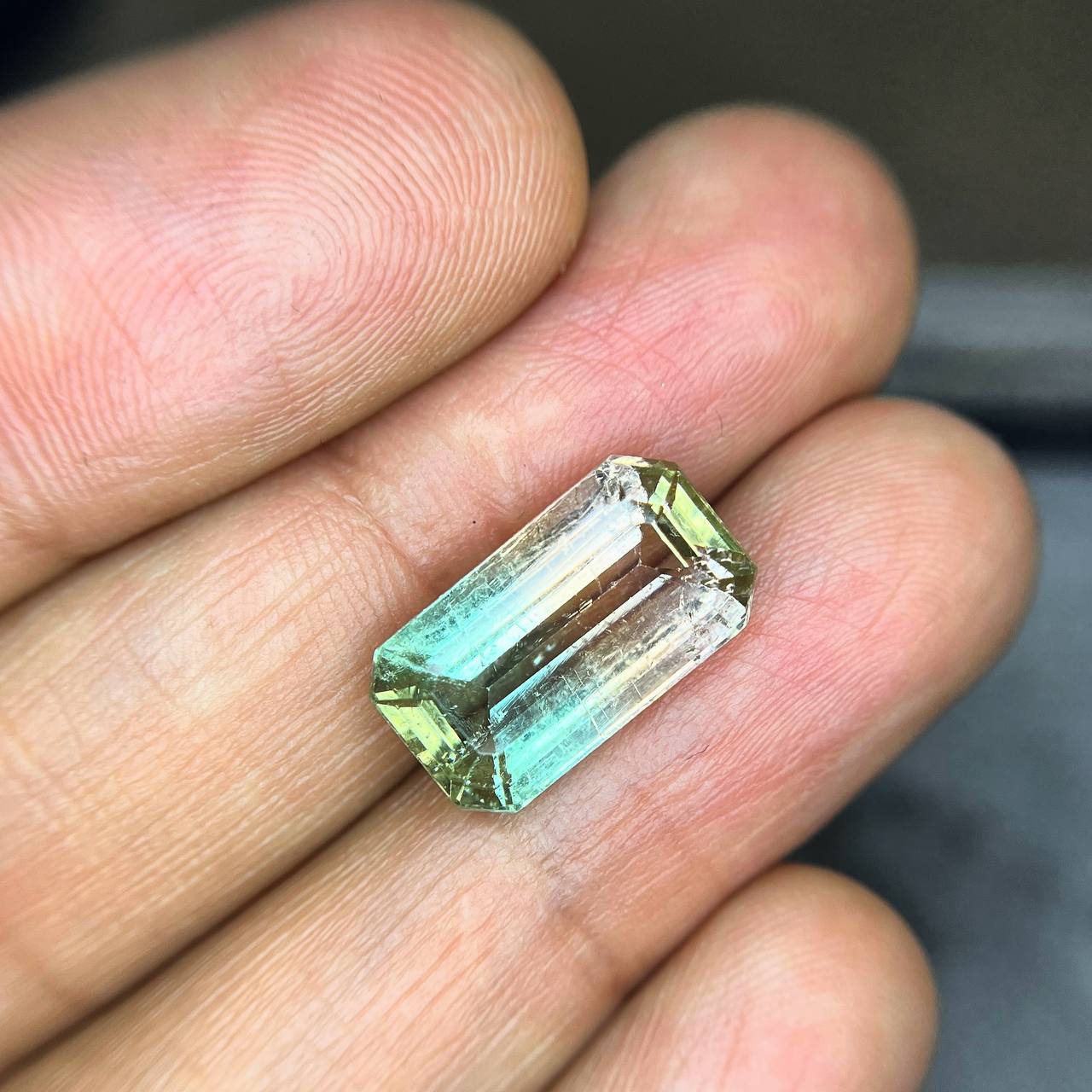
Octagon Watermelon Tourmaline is one of the most visually unique gemstones in the world, admired for its vibrant dual colors that resemble the fresh tones of a real watermelon. The blend of pink and green in a single crystal creates a rare bi color effect that has fascinated collectors, jewelers, and healers for decades. Today, Octagon Watermelon Tourmaline has become a trending choice for fine jewelry, investment gemstones, and even energy focused accessories.
The growing popularity of this gemstone is not accidental. Its octagon cut enhances brilliance, symmetry, and durability for daily wear. Meanwhile, the natural variation of color zones makes every piece one of a kind. Whether you are a gemstone collector, a jewelry designer, or someone looking to understand the true value of Watermelon Tourmaline, this guide covers everything you need.
In this comprehensive article, we explore the formation, properties, value factors, treatments, authenticity checks, and best buying practices. You will also find real world examples, references, and practical tips to help you make informed decisions about Octagon Watermelon Tourmaline.
What Is Octagon Watermelon Tourmaline
Definition and Key Characteristics
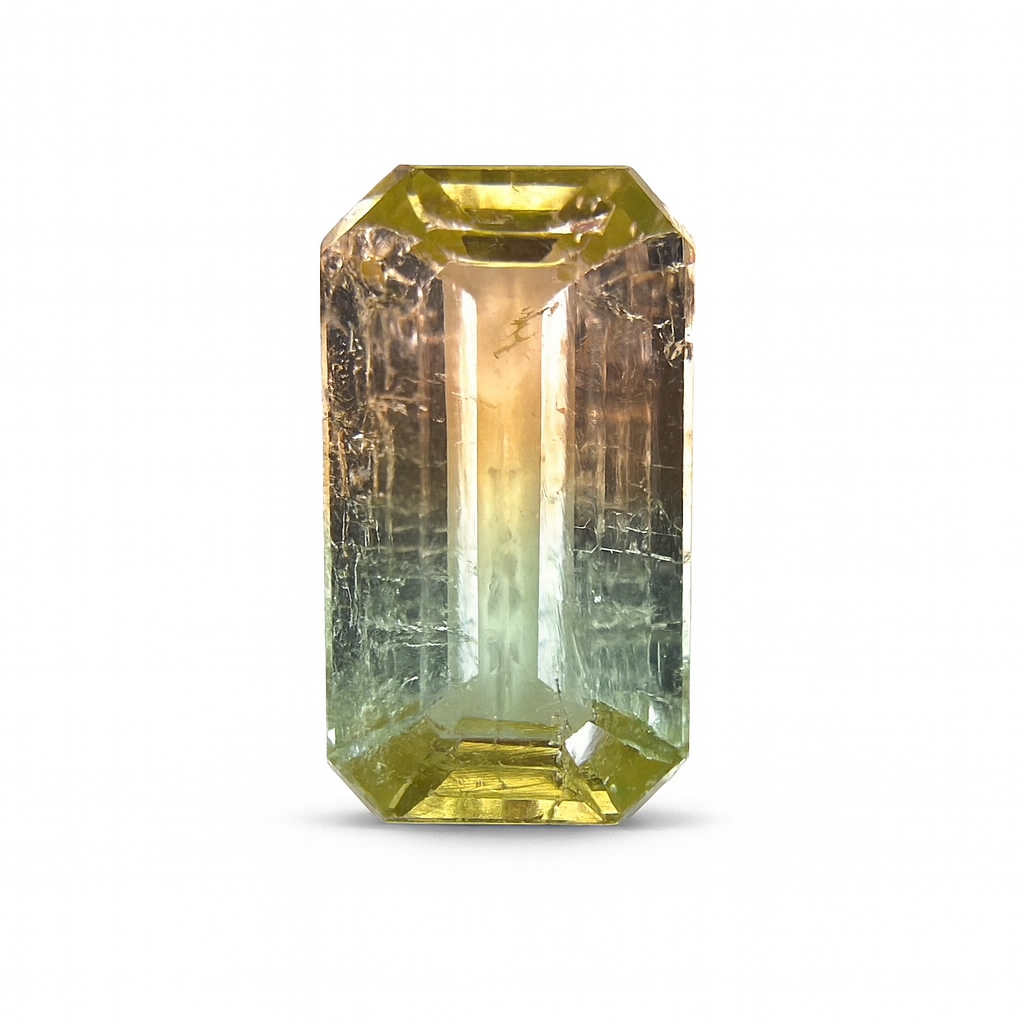
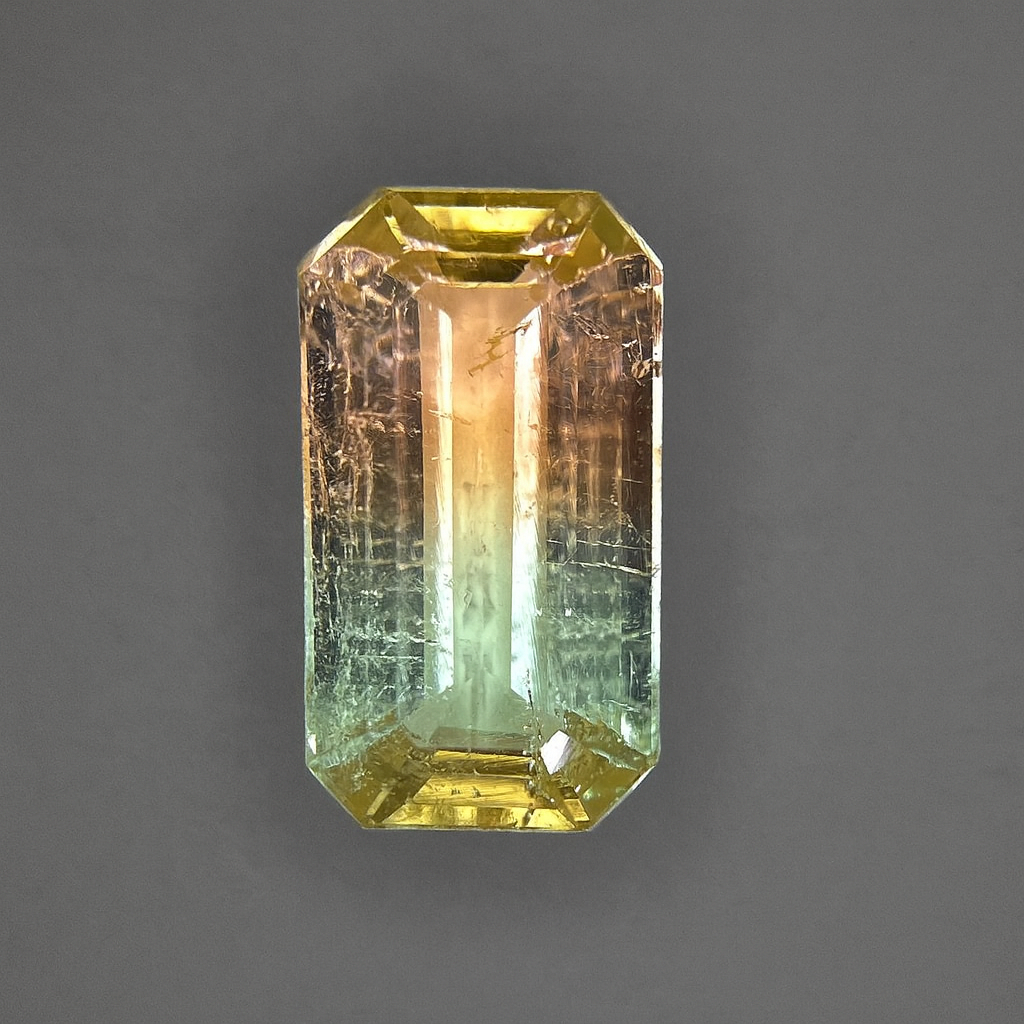
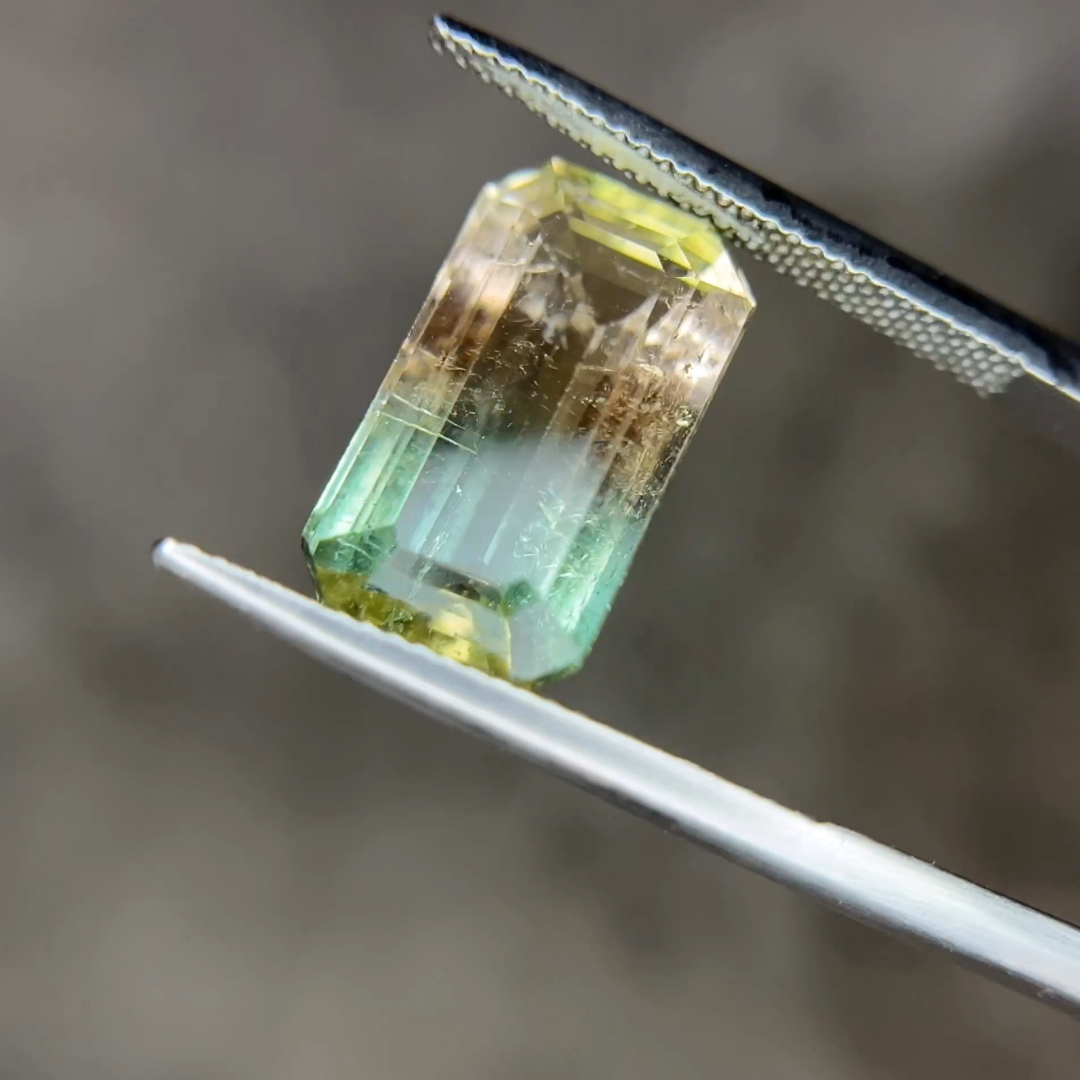
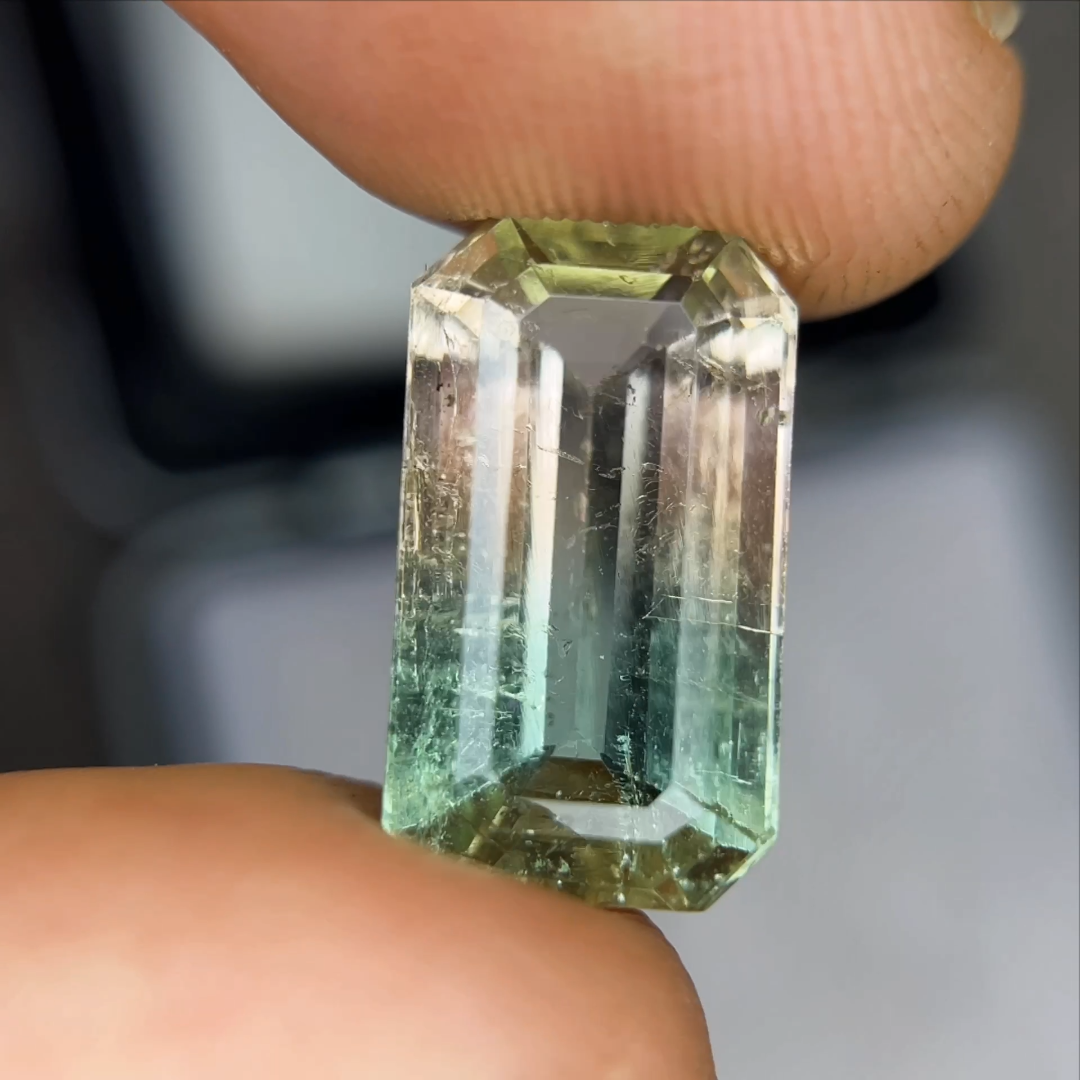
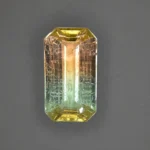
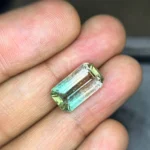
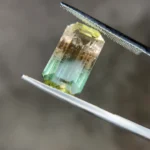
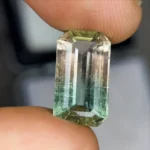
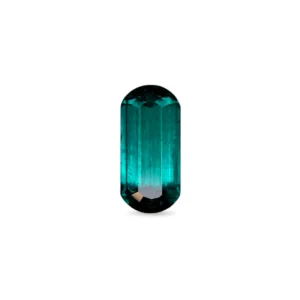
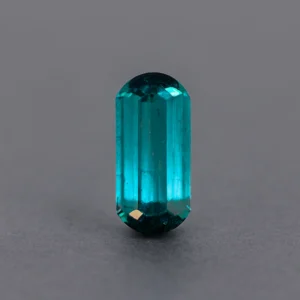
Octagon Watermelon Tourmaline is a naturally occurring bi color tourmaline that features distinct pink and green zones within one crystal. The octagon cut is specifically chosen to highlight the natural zoning patterns while maintaining excellent symmetry and durability. This shape typically has eight sides with step cut facets that allow the gem to display its color transitions more clearly.
Why the Octagon Cut Matters
The octagon cut maximizes the inner zoning of Watermelon Tourmaline. Because Watermelon Tourmaline grows in elongated crystals, an octagonal shape follows the natural direction of the crystal. This reduces waste during cutting and allows the lapidarist to preserve the most striking color areas. The result is a gem that shows sharp contrast between pink and green throughout the face of the stone.
Natural Formation
Watermelon Tourmaline forms in pegmatite environments under high pressure and heat. Trace elements such as manganese and iron create the iconic pink and green zones. According to gemological reports, less than 2 percent of tourmaline crystals form with perfect watermelon zoning, which explains its high value and rarity.
Scientific Properties
-
Chemical formula: Na(Fe,Mg,Li,Al)3Al6(BO3)3Si6O18(OH)4
-
Hardness: 7 to 7.5 on Mohs scale
-
Luster: Vitreous
-
Crystal system: Trigonal
-
Specific gravity: 3.06
-
Refractive index: 1.616 to 1.650
Color Zones and Aesthetics
Understanding the Bi Color Pattern
Watermelon Tourmaline typically displays pink at the core and green on the outer rim, mimicking the inside and rind of a real watermelon. The sharpness of this contrast determines the gem’s desirability. Stones with high clarity and strong color separation often achieve premium pricing.
Popular Color Combinations
While classic pink and green are the most recognizable, variations exist:
-
Soft pastel green with deep raspberry
-
Strong emerald like green with bubblegum pink
-
Yellowish green borders with neon pink core
Value and Pricing Guide
Factors Affecting the Value
Several key elements influence the value of an Octagon Watermelon Tourmaline. Because each stone is unique, buyers should carefully evaluate color, clarity, cut, size, and origin.
Color Quality
The strongest factor is the vibrancy and contrast of colors. High value stones display:
-
Sharp boundaries between pink and green
-
Even saturation without pale or washed out areas
-
Eye clean clarity with minimal inclusions
Stones with neon like tones or rare crystal symmetry are significantly more valuable.
Clarity Levels
Tourmaline often forms with natural inclusions. Eye clean stones are rare and command higher prices. Heavy inclusions may weaken structural durability and reduce brilliance.
Cut Quality
The octagon cut should demonstrate:
Size and Carat Weight
Large stones above 5 carats with ideal zoning are extremely rare. Prices may rise exponentially with size, especially for well cut gems.
Current Market Price Range
Based on recent gem market updates:
-
Commercial quality: $50 to $120 per carat
-
Fine quality: $150 to $400 per carat
-
Collector grade: $500 to $1500+ per carat
Prices vary with origin, cutting precision, and intensity of bi color separation.
Best Known Sources
-
Brazil (Minas Gerais)
-
Afghanistan
-
Nigeria
-
Madagascar
-
Mozambique
Brazilian stones with strong watermelon zoning are often ranked highest.
Origins and Geological Rarity
Why Watermelon Tourmaline Is Rare
Unlike single color tourmalines, bi color varieties require unique geological conditions. The core forms in one chemical environment, while later stages alter the crystal chemistry to produce a different color. This happens only in stable, long term pegmatite systems.
Formation Timeline
-
Growth of the initial pink tourmaline core
-
Environmental shift leading to green outer growth
-
Slow cooling process preserving color separation
Impact of Origin on Value
Brazilian tourmalines often show the best saturation. Afghan stones may appear lighter but have exceptional clarity. Nigerian varieties sometimes feature mixed pastel tones. Each origin offers distinct visual characteristics.
Treatments and Enhancements
Common Treatments
Watermelon Tourmaline is generally untreated. However, some stones undergo:
-
Heat treatment to enhance pink tones
-
Irradiation to intensify green color
-
Oiling to fill surface reaching cracks
How to Identify Treated Stones
Certification Recommendation
Always request a gemstone report from reputable labs such as:
How to Choose an Octagon Watermelon Tourmaline
Buying Guide for Beginners
When buying an Octagon Watermelon Tourmaline, consider the following steps:
Evaluate the Color Pattern
Look for stones with well balanced pink and green segments. Avoid gems where one color overpowers the other unless you prefer asymmetrical patterns.
Check the Clarity
Inspect the stone under direct light. Moderate inclusions are acceptable, but avoid heavy fractures that weaken durability.
Compare Cut Quality
Ensure symmetry, crisp facet edges, and uniform depth.
Ask for Certification
A certified stone ensures authenticity and reveals any treatments.
Example Scenario
A 3.2 carat octagon watermelon tourmaline with neon pink and bright green, eye clean clarity, and Brazilian origin may retail around $800 to $1200 depending on cut and certification.
Jewelry Applications
Why Octagon Watermelon Tourmaline Is Ideal for Jewelry
Its durability, strong color zoning, and unique appeal make it perfect for:
Recommended Metals
-
18K yellow gold for warm contrast
-
14K rose gold for a romantic tone
-
Platinum for modern luxury
Durability Tips
-
Avoid heavy pressure or hard impacts
-
Store separately to avoid scratches
-
Clean gently with warm water and mild soap
Metaphysical and Healing Properties
Spiritual Significance
In holistic energy practices, Watermelon Tourmaline symbolizes balance, emotional healing, and harmony between mind and heart. The pink center represents love and compassion, while the green border symbolizes growth and grounding energy.
Benefits in Crystal Healing
-
Reduces emotional stress
-
Increases confidence and creativity
-
Enhances relationship harmony
-
Supports heart chakra alignment
While these properties are widely discussed, they should not replace medical advice.
Conclusion
Octagon Watermelon Tourmaline is more than just a gemstone. It is a symbol of nature’s artistic creativity, showcasing unique color zoning that is rare and highly valued by collectors. Whether you are purchasing it for jewelry, investment, or personal enjoyment, understanding its properties, origin, and value factors helps you make a confident decision.
This guide provided a detailed overview of its formation, pricing, aesthetics, treatments, buying tips, and metaphysical significance. With proper care and knowledge, Octagon Watermelon Tourmaline becomes not only a beautiful addition to any collection but a long term treasure.
FAQ: Octagon Watermelon Tourmaline
1. Is Octagon Watermelon Tourmaline rare?
Yes. Perfect bi color zoning is rare, and the octagon cut enhances this natural beauty, making it even more valuable.
2. Is it safe for daily wear?
With a hardness of 7 to 7.5, it is safe for daily wear but should be protected from hard impacts.
3. How do I know if it is natural?
Request a certificate from reputable labs such as GIA or IGI. Natural stones show organic zoning under magnification.
4. Does Watermelon Tourmaline fade?
Natural stones are stable, but prolonged exposure to intense heat or sunlight may cause slight fading.
5. What is the average price?
Prices range widely from $50 to over $1500 per carat depending on quality and origin.



Reviews
There are no reviews yet.