Royal Blue Ceylon Sapphire: The Gem of Kings and the Crown of Elegance
Introduction
In the glittering world of gemstones, few treasures capture the heart quite like the Royal Blue Ceylon Sapphire. This magnificent gem, with its deep, velvety hue and luminous glow, has long been associated with power, purity, and timeless luxury. From royal crowns to engagement rings that define generations, the royal blue sapphire from Ceylon — now known as Sri Lanka — continues to enchant collectors and jewellery lovers around the world.
What makes this gem so irresistible is not only its colour but also its story. Born from the heart of Sri Lanka’s ancient earth, the Royal Blue Ceylon Sapphire is a masterpiece of nature, shaped over millions of years under extreme heat and pressure. Its brilliance tells tales of history, love, and the human pursuit of beauty.
In this complete guide, we’ll explore everything you need to know — from the origin and science behind these gems, to how to choose, buy, and care for them. Whether you’re a collector, an investor, or simply someone drawn to the magic of deep blue stones, this article will help you see why the Royal Blue Ceylon Sapphire is a gemstone unlike any other.
What Is a Royal Blue Ceylon Sapphire?
Definition and Core Characteristics
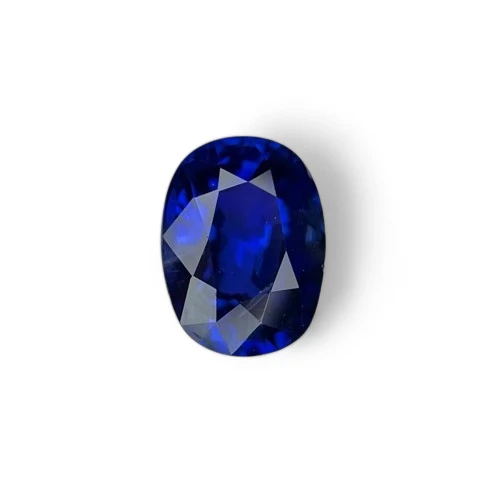
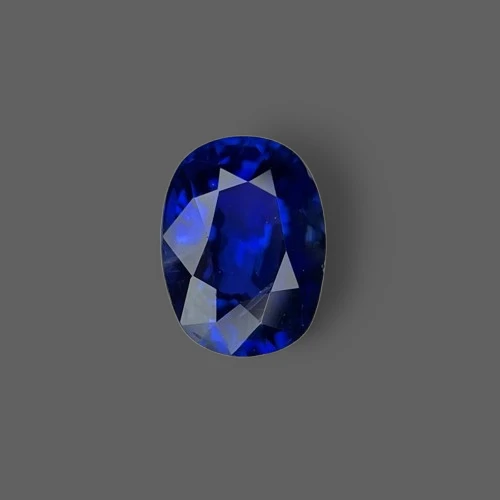
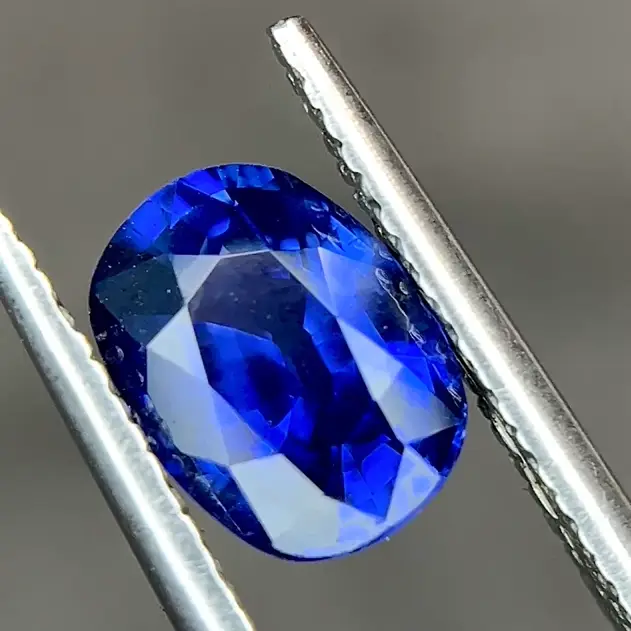
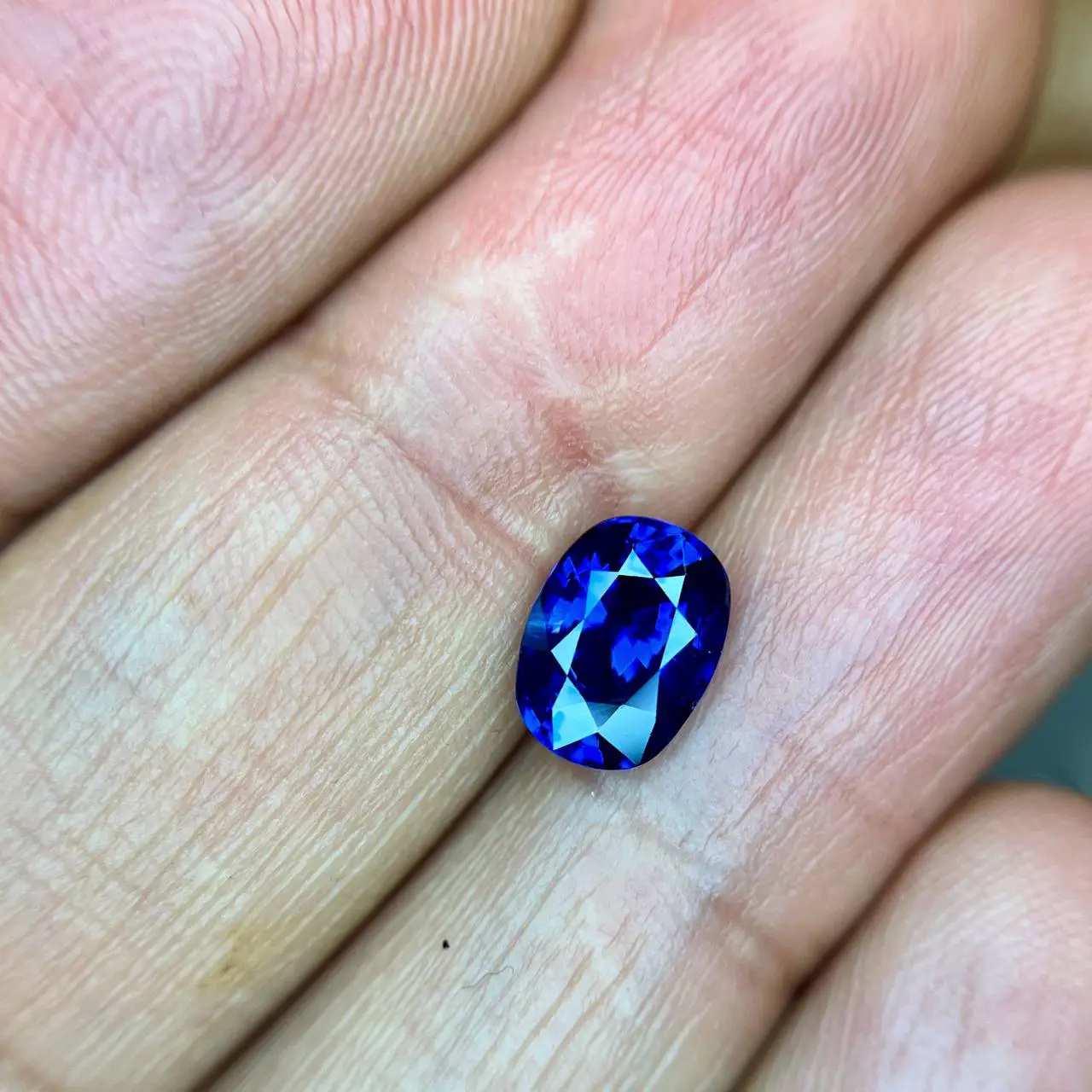
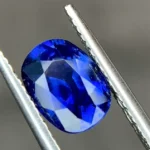
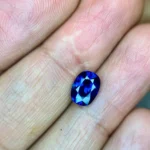
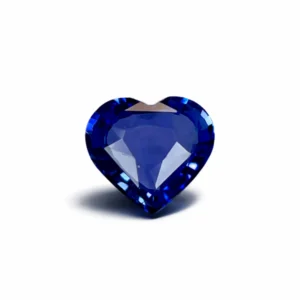
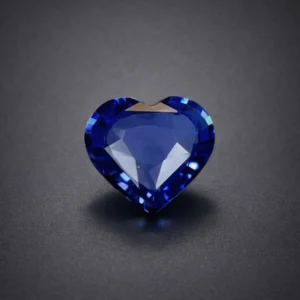
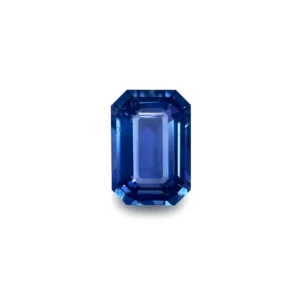
A Royal Blue Ceylon Sapphire is a natural blue sapphire mined in Sri Lanka that displays the highly prized “royal blue” hue — a vivid, intense, and rich blue with exceptional depth and clarity. It belongs to the corundum family (aluminium oxide), the same mineral that also forms rubies. Trace elements of iron and titanium within the crystal lattice give rise to its blue coloration.
Not every sapphire can earn the title “royal blue.” This designation is reserved for stones that display a specific balance of saturation, tone, and brightness — deep enough to be rich, yet light enough to sparkle. The best Royal Blue Ceylon Sapphires appear to glow from within, radiating brilliance even under low light.
The Legacy of Ceylon: Where the Magic Begins
The Gem Island of Sri Lanka
Sri Lanka, formerly known as Ceylon, has been one of the world’s most important sources of sapphires for over 2,000 years. The island’s nickname, “Ratna-Dweepa” (meaning “Island of Gems”), is no exaggeration. The gem fields of Ratnapura, Elahera, and Balangoda are world-famous for producing sapphires with an unmatched combination of clarity and colour.
The island’s unique geological conditions — ancient metamorphic rocks rich in aluminium and iron — make it the perfect birthplace for sapphires. Unlike some darker varieties from regions like Australia or Madagascar, Ceylon sapphires are celebrated for their brightness and purity. Their slightly lighter tone allows more light to pass through, creating that unmistakable “royal blue glow.”
A Gem with Royal Pedigree
From the crowns of European monarchs to the engagement ring worn by Princess Diana and later Kate Middleton, the royal blue sapphire has symbolized nobility and eternal love. Many of the finest sapphires adorning these pieces were mined in Sri Lanka. Throughout history, Sri Lankan sapphires have been cherished for their superior transparency and purity — qualities that make them both beautiful and valuable.
Understanding Colour: The Meaning of “Royal Blue”
In the gemstone industry, “royal blue” is not just a poetic term — it’s a technical colour grade.
A Royal Blue Ceylon Sapphire displays a deep, vivid blue with minimal grey or green undertones. Gemologists describe the ideal colour as:
- Hue: pure blue, sometimes with a subtle hint of violet.
- Tone: medium to medium-dark, never inky or blackish.
- Saturation: strong to vivid, giving a rich and glowing appearance.
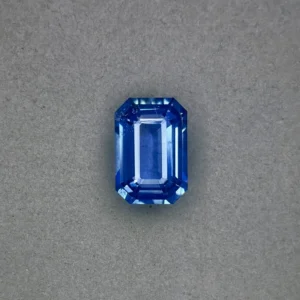
This balance makes royal blue sapphires appear alive. Under daylight, they gleam with rich, electric blue tones. Under artificial light, they retain their depth without turning too dark. That adaptability is part of their allure — a living colour that responds to its environment.
The Science Behind the Beauty
Formation Process
Sapphires form deep within the Earth’s crust under immense heat and pressure. Over millions of years, molten aluminium oxide cools slowly, allowing trace elements of titanium and iron to bond with the crystal lattice — the secret to the sapphire’s blue colour. Geological movements then bring these gems closer to the surface, where erosion deposits them in riverbeds known as secondary alluvial deposits.
Unique Composition of Sri Lankan Sapphires
Compared to sapphires from other origins, Sri Lankan stones typically have lower iron content, resulting in higher brilliance and a cleaner colour. Their internal structure also allows excellent light reflection, giving them a more “luminous” quality compared to darker varieties from other regions.
Why Royal Blue Ceylon Sapphires Are So Valuable
1. Rarity
Only a small percentage of sapphires mined in Sri Lanka display the pure royal blue hue naturally. Most stones require heat treatment to enhance their colour, while a truly unheated royal blue Ceylon sapphire is considered a collector’s dream.
2. Colour Saturation
The intensity of the royal blue tone directly affects price. Stones with perfectly balanced saturation — neither too light nor too dark — fetch premium prices at auction and retail markets.
3. Origin and Certification
Ceylon origin adds tremendous value. Gemological certificates from reputable labs (GIA, GRS, or SSEF) stating “Origin: Sri Lanka” can increase a stone’s worth by 20–40%. Authenticity is everything in the world of fine gems.
4. Unheated Status
While heat treatment is standard practice and not inherently negative, unheated sapphires retain their full natural value. Unheated Royal Blue Ceylon Sapphires are exceptionally rare and command record prices — sometimes exceeding $10,000 per carat.
How to Identify a Genuine Royal Blue Ceylon Sapphire
Visual Inspection
A genuine Ceylon sapphire should show:
- A vibrant yet even royal blue colour under daylight.
- No colour zoning (uneven patches).
- Strong brilliance and sparkle.
- A slightly lighter, “open” tone compared to darker sapphires.
Gemological Report
Always request a certificate from a trusted gemological lab. The report should specify:
- Natural corundum.
- Origin: Sri Lanka (Ceylon).
- Treatment: heated / unheated.
- Carat weight and clarity grade.
Beware of Synthetic or Diffused Stones
Some synthetic sapphires mimic royal blue tones using diffusion or lab growth. These can look beautiful but lack natural inclusions and geological fingerprints. Reputable sellers always disclose this.
How to Buy a Royal Blue Ceylon Sapphire
1. Set Your Priorities
Before shopping, decide what matters most:
- Colour: Deep and vivid royal blue.
- Clarity: Eye-clean, minimal inclusions.
- Treatment: Preferably unheated.
- Carat Weight: Larger stones (>3 carats) are exponentially rarer.
2. Check the Cut
A well-cut sapphire maximizes light reflection. Ideal cuts include oval, cushion, or emerald shapes. Avoid overly deep stones, which may look darker than they are.
3. Compare Prices by Carat
Market price varies with quality:
- Commercial-grade blue sapphires: $300–$800/ct
- Fine royal blue (heated): $1,500–$4,000/ct
- Premium unheated royal blue Ceylon sapphires: $5,000–$10,000+/ct
4. Choose a Trusted Source
Buy from jewellers or gem dealers who provide certification, transparency, and reputation. Authentic online stores like Gemstone Universe, Brilliant Earth, or GIA-approved retailers are reliable references.
5. Match with the Right Metal
Royal blue sapphires pair beautifully with white gold or platinum — the cool tone enhances the blue’s brilliance. For a vintage feel, yellow gold adds warmth and contrast.
Royal Blue Ceylon Sapphire in Jewellery Design
Engagement Rings
Royal blue sapphires have become a sophisticated alternative to diamonds. Their symbolism — truth, loyalty, and everlasting love — makes them ideal for engagement rings. A classic design features a sapphire centre stone surrounded by a halo of diamonds.
Pendants and Necklaces
A teardrop or oval royal blue sapphire pendant exudes understated elegance. When combined with white diamonds, it becomes a timeless heirloom.
Earrings and Bracelets
Small calibrated Ceylon sapphires set in tennis bracelets or stud earrings offer daily wear luxury without overpowering the look.
Care and Maintenance
Even though sapphires rank 9 on the Mohs scale, proper care preserves their brilliance for generations.
- Cleaning: Use mild soap, warm water, and a soft brush.
- Avoid: Harsh chemicals, ultrasonic cleaners (especially for treated stones).
- Storage: Keep separately in a soft pouch to prevent scratches.
- Professional Check: Have prongs and settings inspected annually.
With gentle handling, a royal blue Ceylon sapphire can last lifetimes — and often becomes a family treasure.
Symbolism and Meaning
Throughout history, blue sapphires have represented wisdom, virtue, and divine favour. The royal blue shade, in particular, symbolizes truth and loyalty — qualities often celebrated in love and leadership.
For centuries, kings wore sapphire talismans believing they brought protection and good fortune. Today, that symbolism endures: gifting a Royal Blue Ceylon Sapphire conveys deep trust, sincerity, and timeless commitment.
Why Choose a Royal Blue Ceylon Sapphire Over Other Gems?
- Unparalleled Colour Brilliance – no other gemstone captures light and depth quite like it.
- Durability – second only to diamonds, suitable for daily wear.
- Historical Significance – centuries of royal admiration.
- Investment Potential – increasing rarity of unheated, certified stones.
- Ethical Sourcing – Sri Lanka’s gemstone industry upholds sustainable mining practices.
Conclusion
The Royal Blue Ceylon Sapphire is more than a gemstone — it’s a legacy.
It combines history, geology, and art into a single, dazzling masterpiece. Its unique shade of deep, electric blue has captivated royalty, collectors, and lovers for centuries — and continues to symbolize elegance and eternal beauty.
When you invest in one, you’re not just buying a piece of jewellery. You’re embracing a story that began millions of years ago in the heart of Sri Lanka — a story that still sparkles every time light touches the gem.
Whether for love, luxury, or legacy, the Royal Blue Ceylon Sapphire remains a timeless choice — the crown jewel of sophistication.
Frequently Asked Questions (FAQ)
Q1. What makes a sapphire “royal blue”?
A1. It’s a gem-quality sapphire that exhibits a rich, vivid blue hue with perfect balance — neither too light nor too dark, with exceptional saturation.
Q2. Are all Ceylon sapphires royal blue?
A2. No. Sri Lanka produces sapphires in many shades of blue, yellow, pink, and white. Only a select few display the “royal blue” tone.
Q3. Are Ceylon sapphires more valuable than others?
A3. Generally, yes. Their brightness, transparency, and historical prestige give them a higher value than darker stones from other origins.
Q4. How can I know if a sapphire is unheated?
A4. Only a certified gemological laboratory (like GIA or GRS) can confirm this through advanced testing. Always ask for documentation.
Q5. Can royal blue sapphires be used for engagement rings?
A5. Absolutely. Their durability and symbolism of loyalty make them perfect for everyday wear and romantic symbolism.
Q6. Do Ceylon sapphires hold value over time?
A6. High-quality, untreated, and certified sapphires from Sri Lanka often appreciate in value — especially as natural resources become scarcer.




Reviews
There are no reviews yet.