Introduction
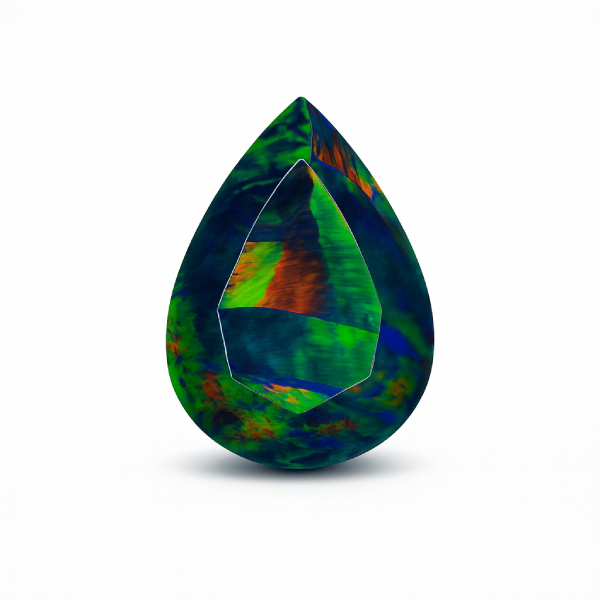
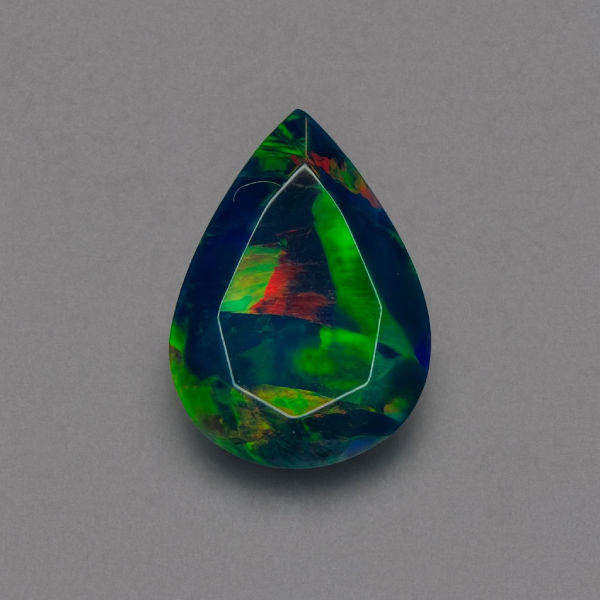
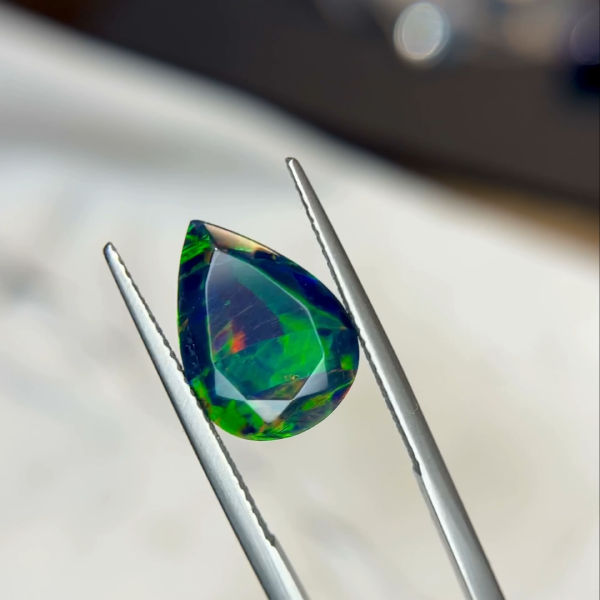
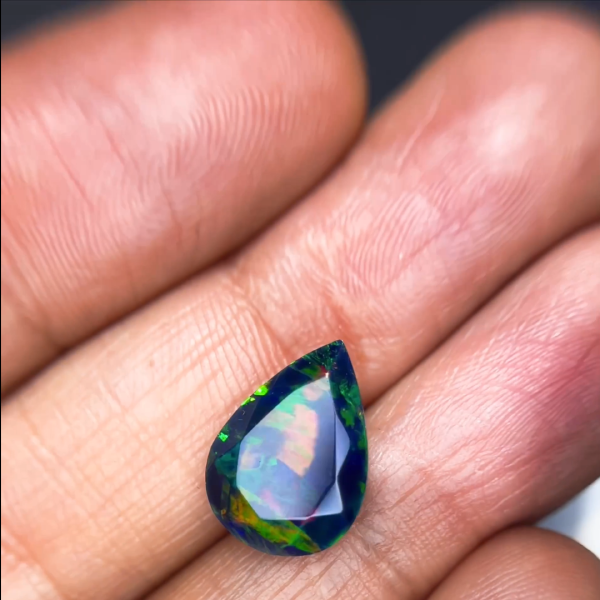
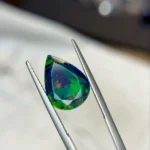
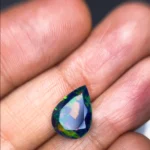
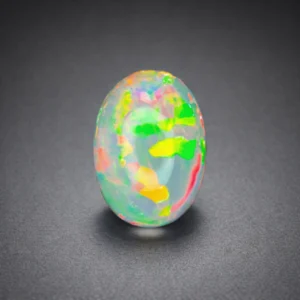
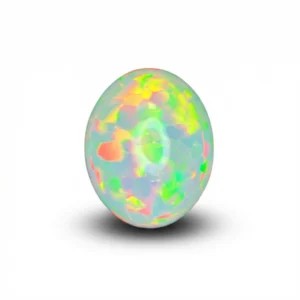
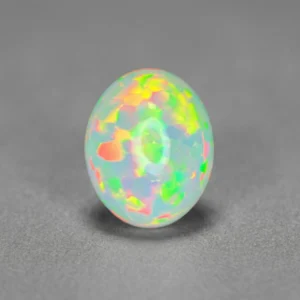
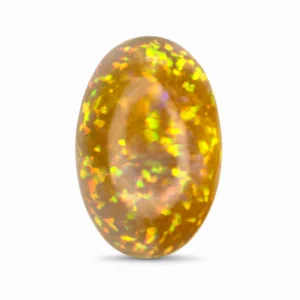
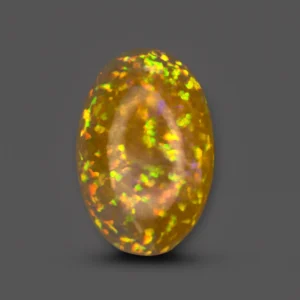
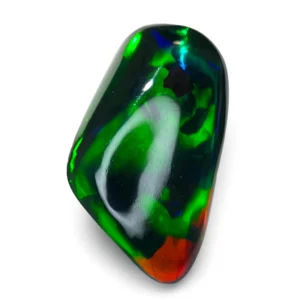
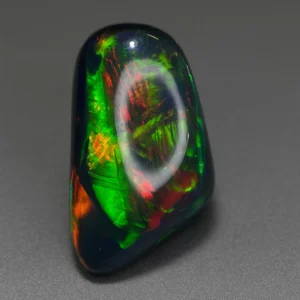
Faceted black Opal is one of the most mesmerizing gemstones in the world, admired for its bold depth, dramatic contrast, and vibrant flashes of color. Among collectors and jewelry lovers, few gems command attention as effortlessly as a fine playing color 3.2 carats black Opal with expert faceting. The way its colors dance under light, shifting from electric blue to fiery red and neon green, makes it a gem that feels almost alive.
In recent years, the demand for faceted black Opal has grown rapidly thanks to its rarity, unique beauty, and rising popularity in premium custom jewelry. Whether you are a gemstone investor, an artisan jeweler, or someone who simply appreciates natural wonders, understanding what makes a playing color 3.2 carats black Opal valuable is essential.
This complete guide is designed to give you everything you need: how it forms, what determines value, how to buy smart, how to care for it, and why a 3.2 carats faceted black Opal is considered one of the most desirable sizes for collectors.
What Is a Faceted Black Opal?
Faceted black Opal refers to a natural opal with a dark body tone that has been cut with multiple symmetrical faces rather than the typical cabochon shape. The dark base combined with faceting creates sharp reflections and amplifies play of color, making the gemstone appear more brilliant and dynamic.
Why the Dark Body Tone Matters
The dark background acts like a natural contrast booster. It intensifies every flash of color, making even small color patches stand out strongly. This is why a faceted black Opal is often considered more dramatic than other opals.
Where the Best Black Opals Come From
Today, over 90 percent of premium black Opal comes from Lightning Ridge, Australia, known globally as the source of the most stable and vivid Opals available. Stones from this region often command the highest market prices due to their durability, color saturation, and rarity.
Understanding Playing Color in a 3.2 Carats Black Opal
One of the biggest reasons buyers choose a playing color 3.2 carats stone is because the color movement is visible, intense, and stable. Play of color refers to the shifting spectral flashes you see when you rotate the gem.
How Play of Color Works
Opal contains microscopic silica spheres that diffract light. The size and arrangement of these spheres determine what colors are visible. Larger spheres create warm colors like red and orange, which are rare and more valuable. Smaller spheres generate blues and greens, which are more common but still stunning.
Why 3.2 Carats Is a Sweet Spot
A faceted black Opal in the 3.2 carats range offers:
-
A large enough surface area to show strong color movement
-
Good visibility of patterns even in low light
-
A balanced size suitable for rings and pendants
-
High desirability for both collectors and designers
Gem traders often consider the 3 to 4 carats range a premium zone for black Opals because it maintains rarity while still remaining wearable.
Key Characteristics of a High Quality Faceted Black Opal
Below are the main factors experts use to grade a faceted black Opal.
1. Body Tone
Black Opals range from dark gray to jet black. The darker the tone, the stronger the contrast.
Stones with a body tone between N1 to N4 are the most valuable.
2. Brightness
Brightness determines how visible the play of color is. Grades typically range from B1 (exceptional) to B7 (dull). A playing color 3.2 carats black Opal usually falls between B2 and B4 if it is high quality.
3. Color Range
The more colors visible, the better. A full spectrum stone (green, blue, orange, yellow, red) can multiply its price. Red flashes are the rarest and increase value dramatically.
4. Pattern
Patterns can include:
-
Flash
-
Pinfire
-
Harlequin
-
Rolling flash
-
Ribbon
-
Block
Harlequin and rolling flash patterns are the most desired.
5. Transparency
Most faceted black Opals are opaque or slightly translucent. Too much transparency can weaken contrast, but slight translucency can create a glowing effect.
6. Cut and Faceting
Faceting allows the stone to reflect light sharply from multiple angles. A well faceted black Opal should have:
7. Weight and Dimensions
At 3.2 carats, the gemstone has enough mass to exhibit strong, stable color patches while remaining wearable.
Why Choose a Faceted Black Opal Instead of a Cabochon?
Traditional opals are cut into smooth cabochons because they highlight play of color gently. Faceted stones, however, create a different visual experience.
Advantages of Faceted Black Opals
-
Sharper reflections
-
More brilliance in indoor lighting
-
A modern, luxurious look
-
Stronger geometric color play
-
Higher demand in custom jewelry
Because faceted black Opals require stable rough material, they tend to be rarer and more collectible than cabochons.
How Much Is a Playing Color 3.2 Carats Faceted Black Opal Worth?
The price of black Opal fluctuates based on global demand, color intensity, and origin. As of 2025:
Average Price Range
A high quality faceted black Opal in the 3 to 4 carats range generally sells for:
$1,800 to $12,000 per carat
If the stone has dominant red flashes or rare patterns like Harlequin, the price may exceed $20,000 per carat.
Factors That Increase Value
-
Origin: Lightning Ridge increases price by 20 to 40 percent
-
Red color patches: boosts value by up to 300 percent
-
High brightness grade: B1 or B2 stones are top tier
-
Rare patterns: rolling flash and harlequin stones are highly prized
-
Clean faceting: no cracks, perfect polish, symmetrical facets
Investment Potential
Black Opal prices have risen approximately 8 to 12 percent per year in the premium gemstone market, making it one of the best long term collectible stones.
How to Buy a High Quality 3.2 Carats Faceted Black Opal
Below is a practical guide for buyers.
1. Ask for Lighting Tests
Always request photos and videos under:
-
Natural daylight
-
Indoor warm lighting
-
LED white light
Good sellers will provide at least three angles of the playing color.
2. Request Lab Certification
Trusted gem labs include:
A certificate ensures authenticity and identifies treatments or enhancements.
3. Check for Stability
Stable stones show no crazing or cracks. Unstable Opals may dry out over time. Look for smooth surfaces without white lines.
4. Evaluate the Faceting Quality
Ask for high resolution close ups to inspect:
5. Compare Multiple Stones
Even small differences in pattern can change the price dramatically. Always view three to five stones before choosing one.
Design Ideas for a Faceted Black Opal
A playing color 3.2 carats stone is ideal for luxury jewelry.
Best Settings
Best Jewelry Types
Faceted black Opal works exceptionally well in contemporary geometric jewelry.
How to Care for a Faceted Black Opal
Opal is softer than sapphire or ruby, so proper care is essential.
Do Not Expose to Harsh Heat
Avoid leaving it under direct sunlight for long periods. Heat can potentially dry the gem.
Avoid Chemicals
Perfumes, lotions, alcohol, and detergents can damage Opal surfaces.
Clean Gently
Use:
-
Mild water
-
A soft cloth
-
Non abrasive soap
Never use ultrasonic cleaners.
Store Properly
Keep the gemstone in a soft pouch with slight humidity to maintain stability.
Frequently Asked Questions (FAQ)
Is faceted black Opal rare?
Yes. Only a small percentage of Opal rough is stable enough for faceting, making faceted black Opal significantly rarer than cabochons.
What makes a playing color 3.2 carats stone special?
It offers an ideal balance of size, color visibility, and rarity. Its play of color is strong, dynamic, and easy to appreciate in various lighting conditions.
Can black Opal be worn daily?
Yes, but with care. Avoid impact, heat, and harsh chemicals to preserve its longevity.
Is faceted black Opal a good investment?
High quality stones, especially from Lightning Ridge, have shown consistent long term appreciation.
Does color change over time?
No. Natural Opal does not change color, but it must be protected from dehydration or sudden temperature shift.
Conclusion
A playing color 3.2 carats faceted black Opal is a gemstone that blends rarity, dramatic beauty, and exceptional character. Its dark body tone heightens every flashing color, while expert faceting transforms it into a brilliant, light catching masterpiece. Whether you seek a collector grade stone or a stunning centerpiece for a luxury jewelry design, this gemstone delivers enduring value and visual magic.
For anyone passionate about gemstones, a faceted black Opal offers an experience unlike any other: a living dance of light, color, and depth that evolves with every angle.



Reviews
There are no reviews yet.