Introduction
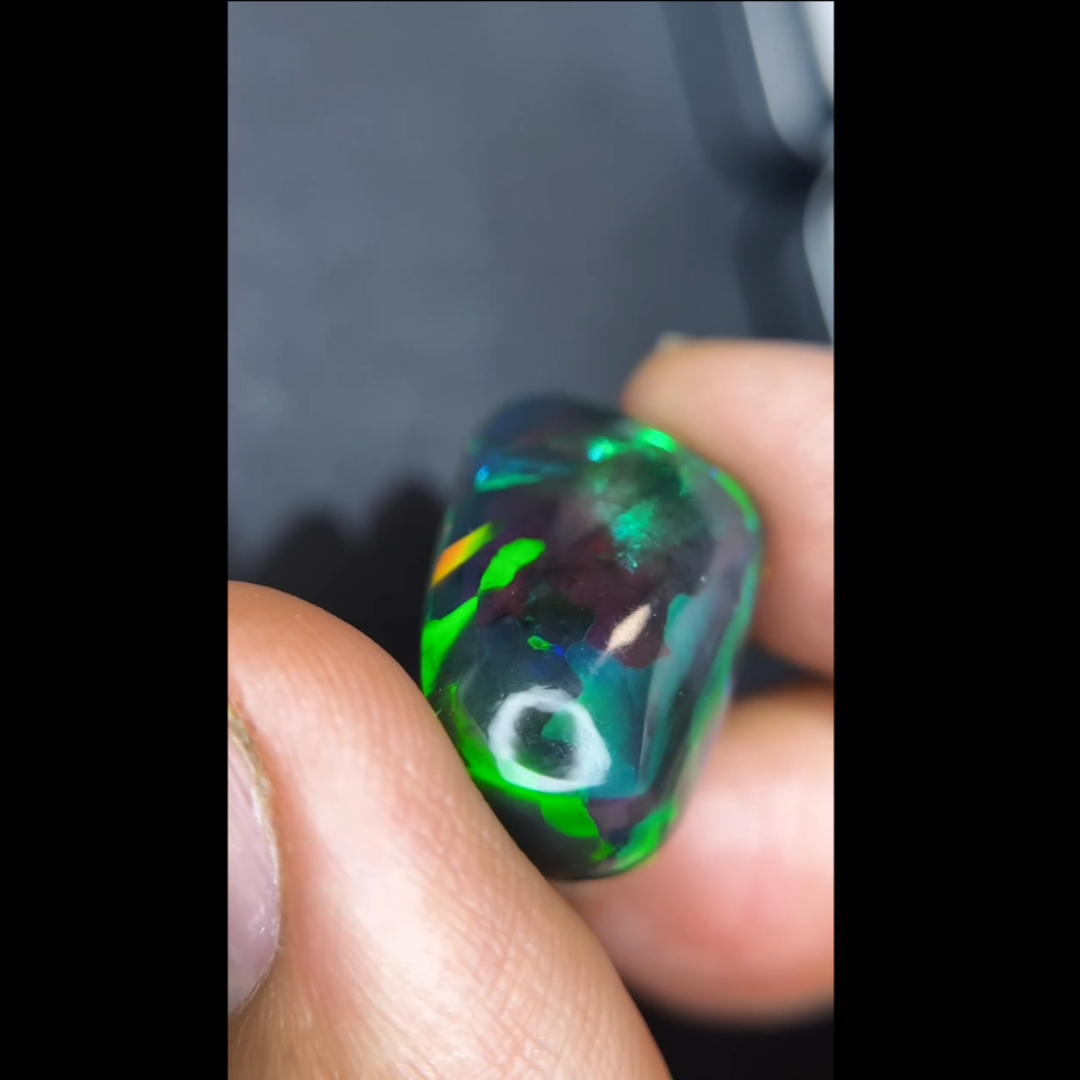
Natural Rough Black Opal is one of the most captivating gemstones in the world of fine minerals, admired for its dramatic play of color and exceptional rarity. Whether you are a gemstone collector, jewelry designer, or a curious beginner, the appeal of rough black opal is impossible to overlook. With its dark body tone, intense flashes of red, green, blue, and gold, and a unique organic formation process, this stone represents the pinnacle of opal beauty.
The term Published Opal is also becoming popular across gem markets. It often refers to opals that have been fully researched, documented, and recognized in reputable gemstone listings, which adds more transparency to the buying process. Today, the combination of Natural Rough Black Opal and Published Opal delivers both aesthetic value and verified authenticity for shoppers and collectors.
In this comprehensive guide, we will explore everything you need to know about Natural Rough Black Opal, from its geological origins and characteristics to buying tips, pricing factors, care instructions, FAQs, and recommended internal/external links to enhance your understanding. This LLM-style content is structured to be reader friendly, SEO optimized, and rich in practical insights.
Understanding Natural Rough Black Opal
What is Natural Rough Black Opal
Natural Rough Black Opal is a type of opal that forms in volcanic and sedimentary environments over millions of years. What differentiates black opal from other opal varieties is its dark body tone, which amplifies the colors displayed within the stone. When the opal is still rough, it retains its original formation shape, complete with host rock, irregular surfaces, and unpolished textures.
This natural state allows gem cutters and collectors to evaluate the raw structure of the stone, making it highly valuable for shaping into cabochons or preserving as mineral specimens. Rough black opals are widely known in regions like Lightning Ridge in Australia, Ethiopia, Mexico, and Indonesia.
What Does Published Opal Mean
Published Opal refers to an opal that has been documented, photographed, and described in a recognized online or print publication. This may include gemstone catalogs, gemological reports, industry magazines, academic journals, or specialized marketplaces. When an opal is “published,” it suggests greater trust and transparency for buyers.
For example, dealers list opals on platforms like international gem forums, research catalogs, or verified gemstone marketplaces. This gives each Natural Rough Black Opal additional credibility through documentation and expert review.
Geological Formation of Natural Rough Black Opal
How Black Opal Forms
Black opal forms when silica-rich water flows into cracks, cavities, or voids within rocks. Over millions of years, the silica particles settle and create microscopic spheres. These spheres diffract light, creating the famous “play of color” effect. The darker the surrounding mineral matrix, the stronger and more vivid the colors appear.
This unique geological process makes Natural Rough Black Opal extremely rare, representing less than 1 percent of total opal production worldwide.
Where Natural Rough Black Opal Is Found
Major Global Sources
-
Lightning Ridge, Australia – The most famous and valuable black opals originate from here. Stones from this region have exceptionally bright red and multi color patterns.
-
Wollo Province, Ethiopia – Known for hydrophane black opals with intense color play.
-
Mexico – Produces darker fire opals with interesting inclusions.
-
Indonesia – Offers volcanic black opals with dark body tone and pargasite inclusions.
Each location produces a different look and feel, influencing value, durability, and appearance.
Characteristics of Natural Rough Black Opal
Color and Play of Color
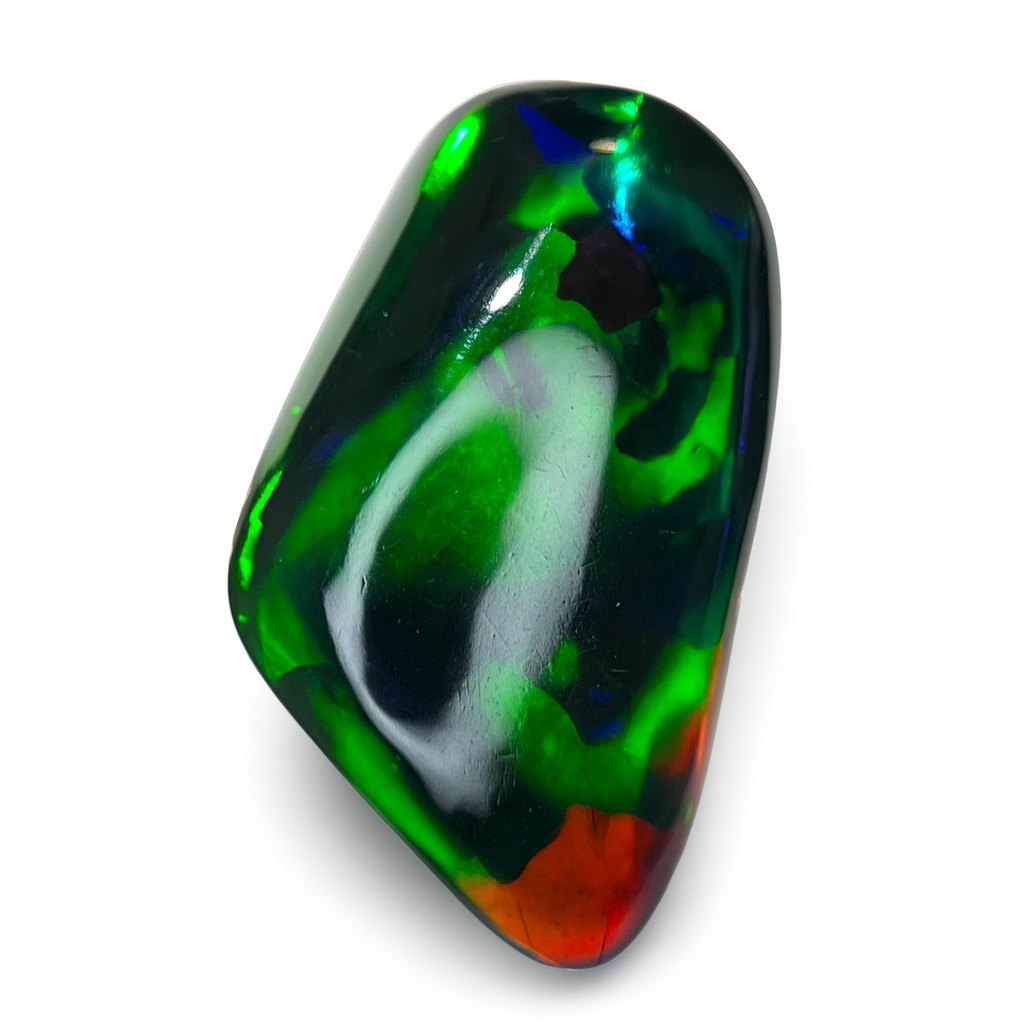
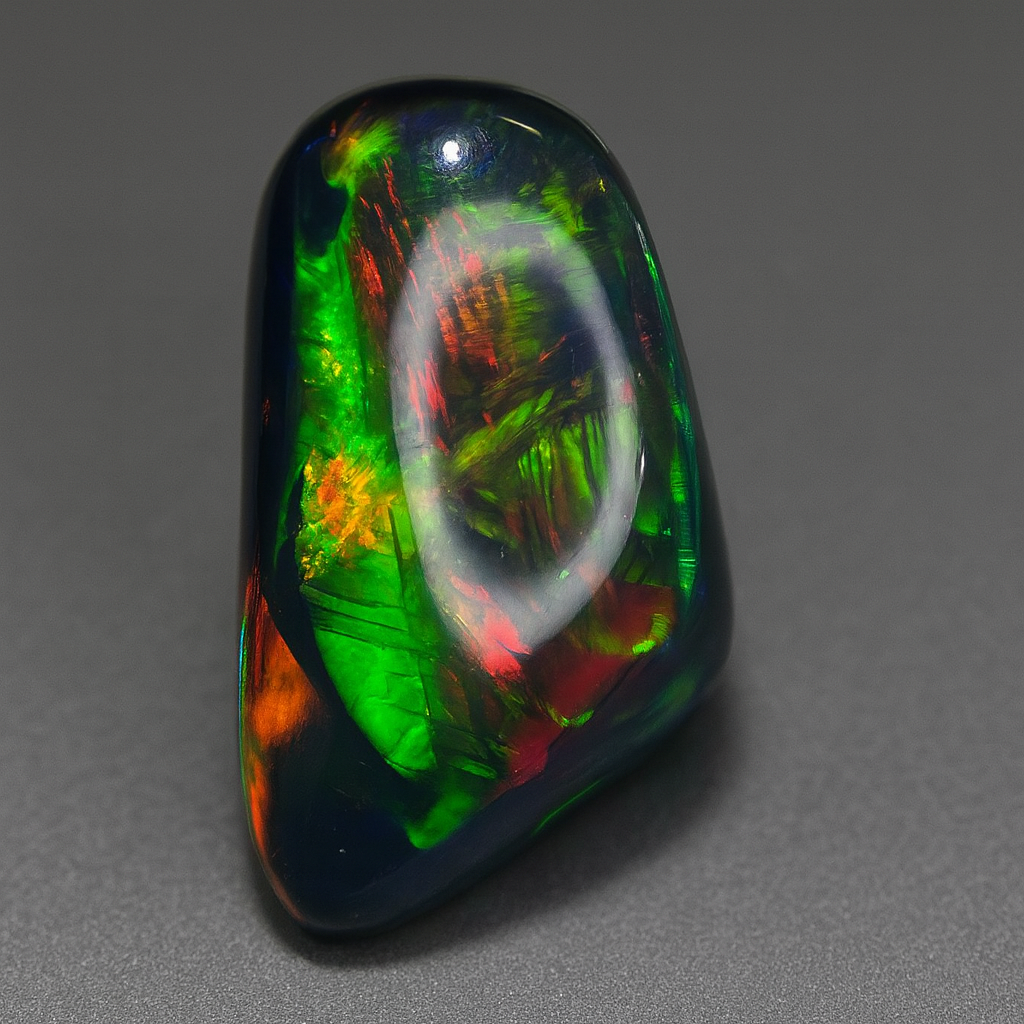
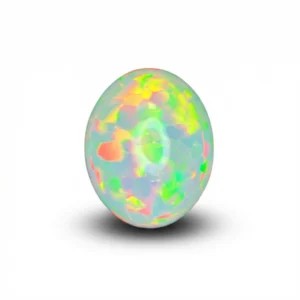
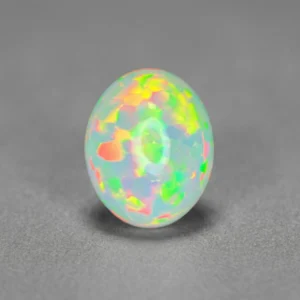
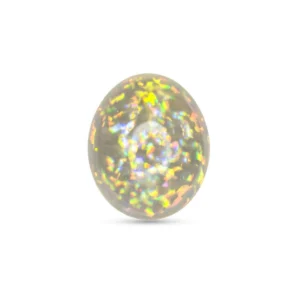
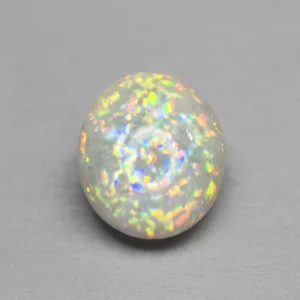
Color is the most important characteristic of Natural Rough Black Opal. High quality stones display a wide spectrum including red, orange, yellow, green, blue, and violet, depending on the silica sphere arrangement.
Stones showing strong red flashes are considered the rarest and most valuable.
Body Tone
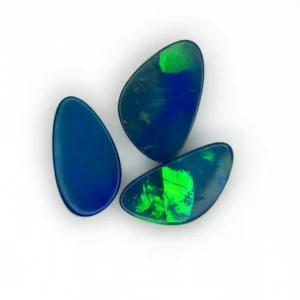
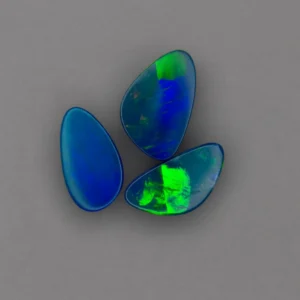
Black opal has a dark body tone ranging from N1 to N4 on the opal grading scale. The darker the base, the more vibrant the colors appear.
Transparency
Opals may be opaque, translucent, or semi transparent depending on formation. Most rough black opals are opaque, but some high quality Ethiopian stones show good translucency.
Pattern Types
Common Patterns
-
Harlequin
-
Ribbon
-
Flagstone
-
Pinfire
-
Rolling flash
-
Brushstroke pattern
Each pattern forms naturally and significantly affects the stone’s value.
Why Natural Rough Black Opal is Highly Valuable
Rarity
Black opal is among the rarest gemstones in the world. Less than 5 percent of mined opal qualifies as jewelry grade black opal, and only a fraction of that is found in rough form with strong color.
Demand
Collectors prefer rough stones as they show the original formation and potential for customization.
Preservation of Natural Beauty
Rough opal preserves its geological history, unlike polished stones that lose some of their natural character.
Published Opal Advantage
When the stone is a Published Opal, its documented status increases buyer confidence and long term value.
Buying Guide for Natural Rough Black Opal
What to Look for When Purchasing
Color Strength
Bright and intense colors are more valuable. Red is most desirable, followed by orange and green.
Body Tone
Look for a deep black or dark gray base as it enhances color vibrancy.
Size and Carat
Larger rough stones are rare. Stones above 5 grams should be analyzed carefully for potential cracks or water content.
Inclusions and Cracks
Some inclusions are normal, but large cracks reduce durability and cutting potential.
Hydrophane Behavior
Ethiopian opals may absorb water. This affects appearance temporarily but should be known before buying.
Pricing Factors
Natural Rough Black Opal prices vary widely.
General guidelines:
| Quality Grade |
Estimated Price Range (per gram) |
| Low quality |
5 to 30 USD |
| Mid quality |
30 to 200 USD |
| High quality |
200 to 2000+ USD |
| Finest museum grade |
5000+ USD |
Where to Buy
-
Reputable gemstone marketplaces
-
Verified dealers with publication records
-
Auction platforms
-
Direct mining sources (Lightning Ridge or Wollo opal vendors)
Cutting and Shaping Rough Black Opal
How Lapidaries Shape the Stone
Lapidaries examine the stone using strong light. They identify color bars and decide on the best angle to cut for maximum play of color. Rough black opal requires gentle handling due to its delicate internal structure.
Common Shapes
-
Oval cabochon
-
Teardrop
-
Freeform
-
Shield shape
Tips for Beginners
-
Always start with lower grade rough stones.
-
Use moderate speed when sanding to avoid heat damage.
-
Store stones in a dry environment away from sunlight.
Care and Maintenance of Natural Rough Black Opal
How to Properly Care for Your Stone
Cleaning
Use mild soapy water. Avoid chemicals, ultrasonic cleaners, or steam cleaners.
Storage
Keep the stone in a padded box away from heat and sudden temperature changes.
Hydrophane Tips
Ethiopian black opals may absorb water. If your opal becomes lighter in color, let it dry naturally over several days.
Benefits of Choosing Published Opal
Documentation
A Published Opal includes images, reports, and publication links, giving collectors confidence.
Transparency
Buyers can verify the stone’s authenticity.
Investment Value
Documented gemstones often appreciate faster in value due to recorded provenance.
Conclusion
Natural Rough Black Opal is a truly extraordinary gemstone that combines geological wonder, breathtaking color, high rarity, and lasting value. When purchased as a Published Opal, it also carries added verification and trust, making it ideal for collectors and jewelry makers. With proper care, thoughtful buying decisions, and an understanding of grading factors, collectors can enjoy the beauty and uniqueness of this gemstone for generations.
Whether you are investing, collecting, or exploring the world of opals for the first time, Natural Rough Black Opal remains a timeless treasure in the world of fine gemstones.
Frequently Asked Questions (FAQ)
1. Is Natural Rough Black Opal more valuable than polished opal?
Not always, but high quality rough black opal can be more valuable because collectors and lapidaries see potential for cutting multiple stones from one specimen.
2. What is the difference between black opal and other opals?
Black opal has a dark body tone which enhances the play of color, making it more vibrant and valuable than white opal or crystal opal.
3. Why do some black opals absorb water?
This happens mostly in Ethiopian hydrophane opals. They absorb water due to their porous structure, but return to normal when dry.
4. Is Published Opal more trustworthy?
Yes, because it includes documentation, expert evaluation, and transparent online listings.
5. Can rough black opal crack during cutting?
Yes. Incorrect cutting angles, overheating, or internal stress may cause cracks. Professional lapidary experience is recommended.
6. How long does Natural Rough Black Opal last?
With proper care and storage, it can last indefinitely.
7. Is black opal rare?
Yes. It represents a very small percentage of global opal production, especially top grade stones.




Reviews
There are no reviews yet.