Introduction
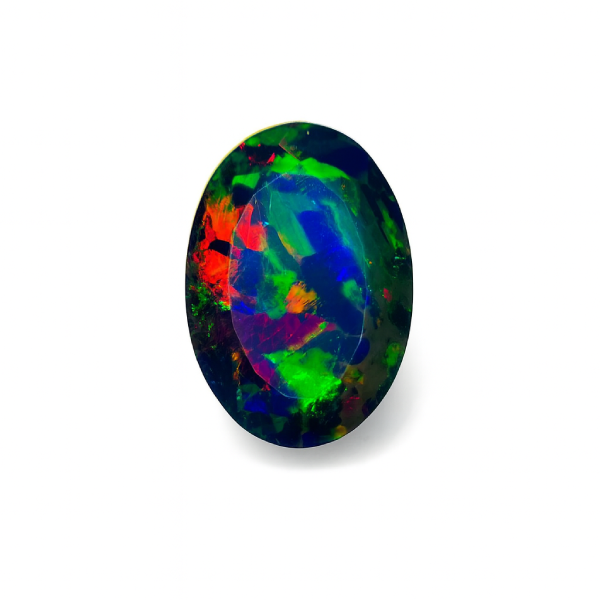
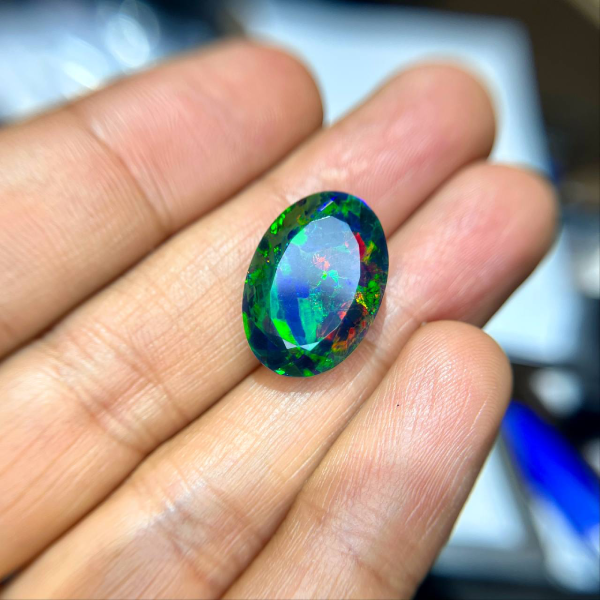
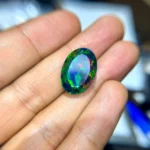
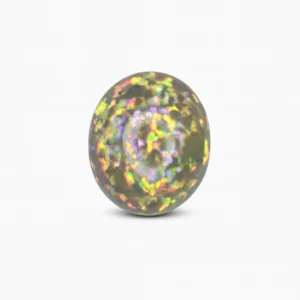
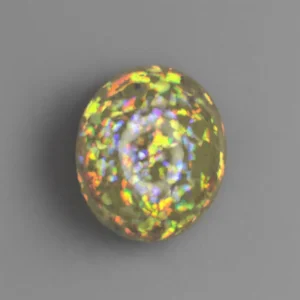
The world of gemstones is full of rare beauties, but few stones capture the imagination like a natural faceted black opal 9.69 carats Ethiopian. Its dazzling play of color, deep body tone, and remarkable clarity make it one of the most captivating gemstones available today. Whether you are a collector, a jewelry enthusiast, or a gemstone investor, Ethiopian black opal offers a visual experience that feels almost magical.
What makes black opal truly special is its ability to display multiple colors that shift with movement and light. These dynamic flashes, known as “play of color”, elevate black opal from a simple gemstone to a piece of nature’s art. The natural faceted black opal 9.69 carats Ethiopian has become especially popular due to its size, brilliance, and unique origin.
In this comprehensive guide, we explore everything you need to know about this gemstone: how it forms, what makes it valuable, how to evaluate it, how to care for it, and why Ethiopian black opals have become some of the most sought after stones in the world.
The Origin and Formation of Ethiopian Black Opal
What Makes Ethiopian Black Opal Unique
Ethiopia has emerged as one of the top global sources of black opals, especially from the Wollo and Shewa regions. The natural faceted black opal 9.69 carats Ethiopian stands out because of its volcanic origin, which gives the stone a different internal structure compared to Australian opals.
Ethiopian black opals often contain:
-
Higher levels of water content (typically 3 to 10 percent)
-
More transparent or semi translucent body in some stones
-
Stronger and brighter play of color
-
Unique patterns like honeycomb, flashfire, and ribbon pattern
This combination makes Ethiopian opal highly desirable for collectors and jewelry designers.
How Black Opal Forms
Black opal forms over millions of years when silica rich water fills cracks in volcanic rock. As the water evaporates, tiny silica spheres form and stack in a grid like structure. The size and arrangement of these spheres determine the colors that appear in the stone.
For example:
-
Small silica spheres produce blues and greens
-
Larger spheres produce reds and oranges, which are rarer and more valuable
A natural faceted black opal 9.69 carats Ethiopian with strong red flash is considered extremely premium.
Characteristics of a Natural Faceted Black Opal 9.69 Carats Ethiopian
Size and Weight Significance
A 9.69 carat black opal is a large gemstone by opal standards. Most commercial black opals fall between 0.5 and 4 carats, making stones above 5 carats rare and highly collectible. A natural faceted black opal 9.69 carats Ethiopian offers a stunning presence when set in jewelry or displayed as a collector’s gem.
Large black opals often show:
Color and Play of Color
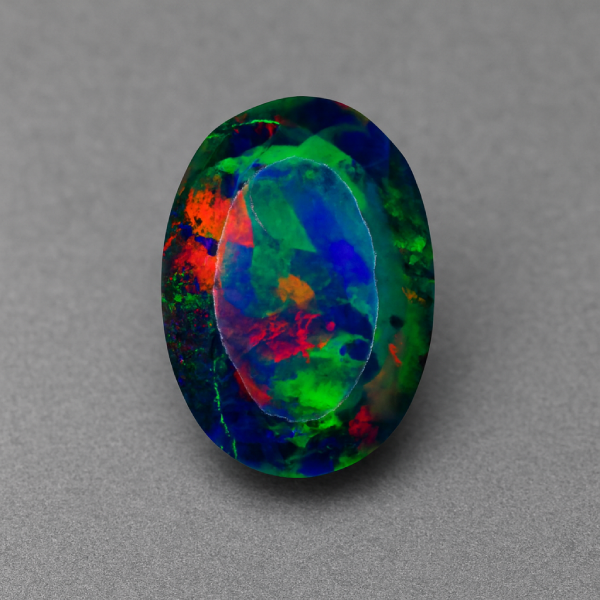
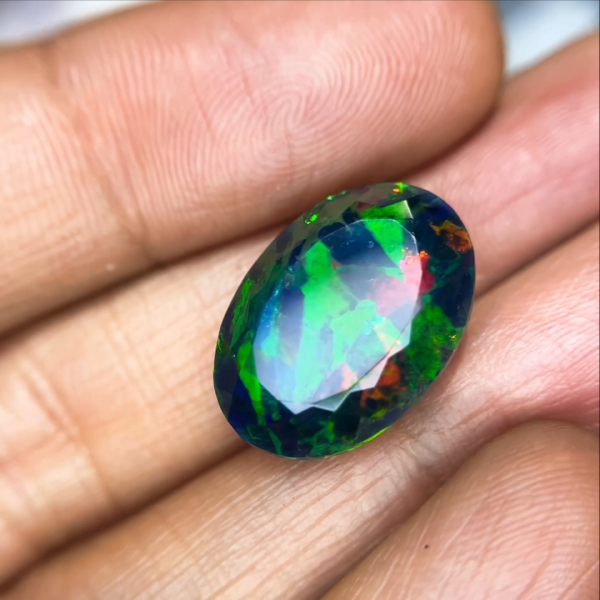
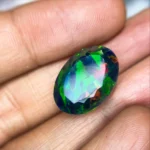
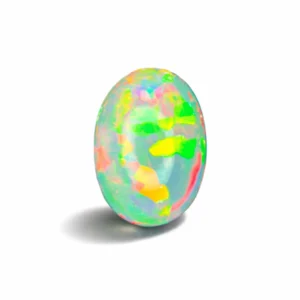
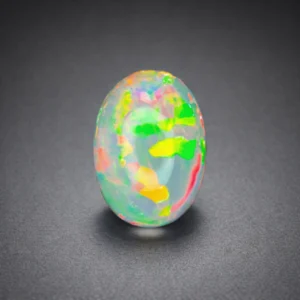
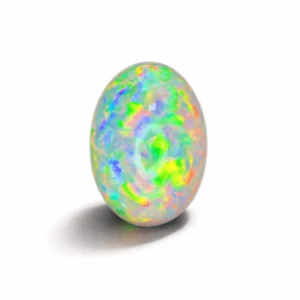
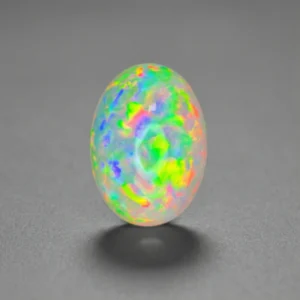
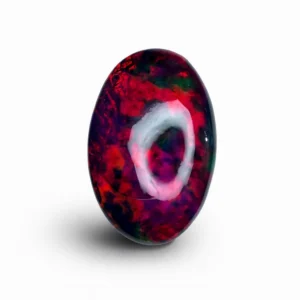
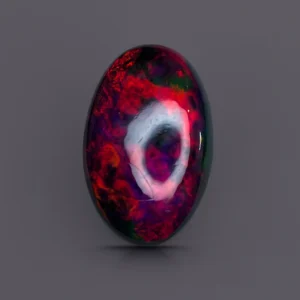
Color is the most important factor in evaluating black opal. The natural faceted black opal 9.69 carats Ethiopian is prized for its vivid and dynamic color patterns. When viewed under different lighting, the stone may shift between blues, greens, oranges, and bright reds.
Common color patterns include:
-
Flash Pattern: Large patches of bright color
-
Pinfire Pattern: Small dot like flashes
-
Broadflash Pattern: Wide sweeping sheets of color
-
Honeycomb Pattern: Net like structure, extremely sought after
Ethiopian black opals often display broader and more vivid flashes than many other opal types.
The Beauty of Faceting
Unlike most opals that are cut into cabochon shapes, some premium Ethiopian black opals are faceted. Faceting:
-
Enhances brilliance
-
Adds geometric reflections
-
Increases the stone’s sharpness and clarity
-
Makes the play of color more intense
A natural faceted black opal 9.69 carats Ethiopian combines the elegance of faceting with the mesmerizing color dynamics of opal, creating a gemstone with maximum sparkle.
Value and Pricing of Black Opal
Price Factors to Consider
The value of a black opal depends on several key factors:
1. Color intensity
Brighter colors equal higher value. Red flashes command the highest prices.
2. Pattern rarity
Honeycomb and ribbon patterns can increase value significantly.
3. Body tone
A deeper, darker body tone enhances contrast and increases price.
4. Transparency
Ethiopian opals may be opaque or slightly translucent. Both can be valuable depending on color quality.
5. Treatment status
Natural untreated opals are always more valuable.
6. Carat weight
A stone like natural faceted black opal 9.69 carats Ethiopian falls into the premium size category.
Average Price Range
High grade Ethiopian black opal typically ranges from:
A top quality natural faceted black opal 9.69 carats Ethiopian could easily reach 20,000 to 50,000 USD depending on clarity, brightness, and pattern.
How to Identify a Genuine Natural Faceted Black Opal 9.69 Carats Ethiopian
Check for Natural Patterns
Real Ethiopian black opal shows complex organic patterns with depth and movement. Synthetic or lab created stones often look repetitive or too perfect.
Magnification Inspection
Under 10x magnification, natural opal should show:
Water Absorption Test
Ethiopian opals are hydrophane, meaning they can absorb small amounts of water. While this is not a recommended test for collectors, it is a known indicator of Ethiopian origin.
Certification
Always request certification from reputable labs such as:
Certification guarantees that the natural faceted black opal 9.69 carats Ethiopian is untreated and authentic.
Black Opal in Jewelry
Why Ethiopian Black Opal is Popular in Jewelry
Jewelry designers love Ethiopian black opal because of its:
-
Bold color display
-
Ability to match various metals (white gold, yellow gold, platinum)
-
Lightweight structure compared to other stones
-
Versatility in design
Best Jewelry Settings
1. Bezel Setting
Provides protection for soft opals.
2. Prong Setting
Maximizes visibility but needs careful handling.
3. Halo Setting
Enhances the play of color and adds luxury.
4. Pendant Settings
Ideal for showcasing large stones like a 9.69 carat opal.
Care Instructions for Black Opal Jewelry
-
Keep away from harsh chemicals
-
Avoid sudden temperature changes
-
Store separately to prevent scratches
-
Clean gently using a soft cloth
Investment Potential of Ethiopian Black Opal
Why Collectors Love Black Opal
The demand for natural black opals has grown significantly because:
-
Supply is limited
-
Ethiopian mines produce unique patterns not found elsewhere
-
Large stones like natural faceted black opal 9.69 carats Ethiopian are rare
-
High interest from jewelry brands and museums
Future Market Trends
Market analytics show:
-
A steady 8 to 12 percent annual increase in premium black opal prices
-
Rising global interest in large colored gemstones
-
Increasing popularity among luxury designers
Compared to diamonds, black opal offers a more artistic and emotional investment opportunity.
Conclusion
The natural faceted black opal 9.69 carats Ethiopian is more than a gemstone. It is a rare masterpiece of color, light, and nature’s artistry. Its intense play of color, impressive size, and volcanic origin make it a world class gemstone suitable for collectors, investors, and jewelry lovers. Understanding its characteristics, value factors, and care requirements helps buyers make confident decisions and appreciate the stone’s true beauty.
Whether you plan to wear it, collect it, or hold it as an investment, Ethiopian black opal remains one of the most captivating treasures in the gemstone world.
Frequently Asked Questions (FAQ)
1. Is Ethiopian black opal durable enough for daily wear?
It is durable but not as hard as sapphire or diamond. Daily wear is possible with protective settings.
2. Why does Ethiopian opal absorb water?
Because it is hydrophane. This is normal and part of its natural structure.
3. Does absorbing water damage the opal?
No, but it may temporarily change color. It returns to normal once dry.
4. Is a natural faceted black opal 9.69 carats Ethiopian rare?
Yes, stones above 7 carats with strong color are extremely rare.
5. What is the best metal for setting black opal?
White gold and platinum highlight its color best.
6. Are Ethiopian black opals more colorful than Australian ones?
Often yes, due to volcanic origin and different silica structure.
7. How can I avoid buying a treated stone?
Always ask for certification and buy from trusted sellers.
8. What increases the value of black opal the most?
Red flash and honeycomb pattern significantly boost value.
9. Can black opal be used in engagement rings?
Yes, but with a secure setting to protect the stone.
10. How should I store my Ethiopian black opal?
Store in a soft pouch away from direct sunlight and heat.


Reviews
There are no reviews yet.