Introduction
Sapphire is one of the most iconic and desirable gemstones in the world, known for its deep color, durability, and elegant beauty. Many people recognize Sapphire by its rich blue shade, but this gemstone appears in a wide range of colors, each offering its own charm and meaning. Because of its exceptional hardness and rarity, Sapphire has long been used in jewelry, luxury accessories, and even specialized industrial tools.
For anyone exploring gemstones for purchase, jewelry design, or educational content, understanding Sapphire is essential. This guide explains everything about Sapphire, including its features, benefits, types, uses, care tips, and buying recommendations. Whether you are a beginner or a professional, this article helps you make informed decisions.
What Is Sapphire?
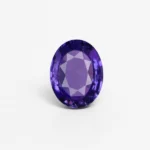
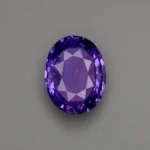
Sapphire is a precious gemstone belonging to the corundum mineral family. Its strong chemical structure makes it the second hardest natural gemstone after diamond. The main element responsible for its color is trace minerals like iron, titanium, chromium, or vanadium. Because of this, Sapphires appear in blue, pink, yellow, green, purple, and even colorless varieties.
Sapphire is widely known for:
These qualities make Sapphire a popular option in engagement rings, luxury jewelry sets, and spiritual collections.
Characteristics of Sapphire
1. Color Variety
The most famous type is blue Sapphire, but this gemstone exists in many shades:
Each type has its own value range and market demand.
2. Hardness and Durability
Sapphire scores 9 on the Mohs hardness scale, making it extremely resistant to scratches. This is why Sapphire is often used in watches, scientific tools, and abrasion-resistant materials.
3. Clarity
Sapphire typically contains natural inclusions. These inclusions are part of the gemstone’s unique identity and help experts determine authenticity. Higher clarity means higher value.
4. Cut
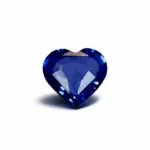
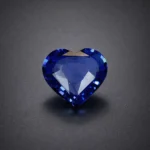
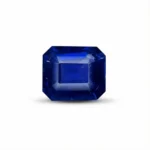
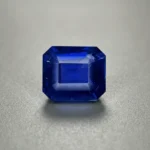
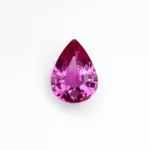
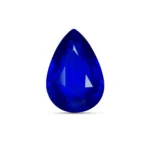
Sapphire is available in various cuts including oval, round, cushion, emerald, and pear. A well-cut Sapphire appears brighter and more vibrant.
Types of Sapphire
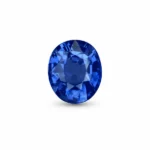
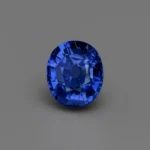
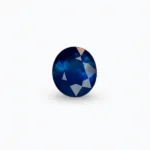
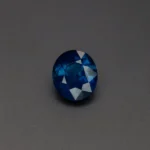
Blue Sapphire
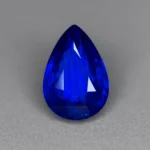
The classic and most valuable variety. Known for deep ocean-blue tones. Ideal for premium jewelry.
Pink Sapphire
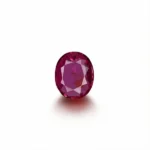
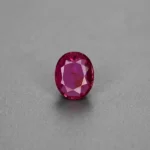
Elegant and romantic. A popular choice for engagement rings and collectible items.
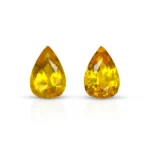
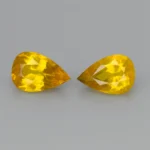
Yellow Sapphire
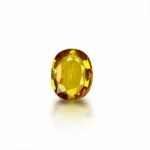
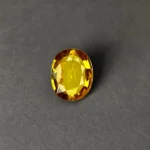
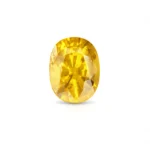
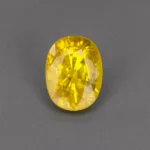
Bright and vibrant, symbolizing prosperity and creativity.
White Sapphire
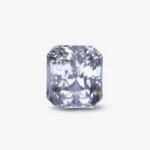
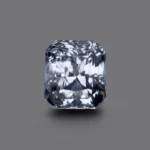
Colorless and considered an alternative to diamonds due to its brilliance.
Padparadscha Sapphire
One of the rarest types. Its unique pink-orange color makes it extremely valuable.
Applications of Sapphire
Sapphire is not just a decorative stone. Its strength and clarity make it useful in several industries:
1. Jewelry
Used in rings, bracelets, necklaces, earrings, luxury accessories, and designer pieces.
2. Industrial Use
3. Spiritual and Symbolic Uses
Sapphire is often associated with:
-
Wisdom
-
Truth
-
Inner peace
-
Protection
Many people use it in meditation or holistic practices.
How to Choose a High Quality Sapphire
Choosing the right Sapphire depends on several factors. Here is what to consider:
Color
Deep, even, and vivid colors are more valuable. Look for brightness rather than very dark or very light tones.
Clarity
Fewer visible inclusions mean higher quality. However, perfectly flawless Sapphires are rare and very expensive.
Cut
A good cut improves sparkle and makes the gemstone visually appealing.
Carat
Higher carats increase the price. However, color and clarity affect value more than size.
Origin
Some of the finest Sapphires come from:
-
Sri Lanka
-
Kashmir
-
Myanmar
-
Madagascar
Certification
Always look for certifications from reliable laboratories, such as:
How to Care for Sapphire
Proper care helps maintain the brilliance of your Sapphire:
-
Clean with warm water and mild soap
-
Avoid harsh chemicals
-
Store separately to prevent scratches
-
Use soft cloth for polishing
Because Sapphire is strong, it lasts for generations with minimal care.
Conclusion
Sapphire is a powerful, durable, and visually captivating gemstone with a long history of use in jewelry, science, and spiritual practices. Its diverse color range, strong structure, and symbolic meaning make it an ideal gemstone for personal use, collection, and luxury design. Whether you want to buy Sapphire for aesthetic reasons or as a spiritual stone, knowing its features, types, and quality indicators helps you choose wisely.
FAQ
1. Is Sapphire good for everyday wear?
Yes. Sapphire is one of the hardest gemstones and resists scratches, making it perfect for daily use.
2. Which color of Sapphire is most valuable?
Deep blue and Padparadscha Sapphires are typically the most valuable.
3. Is Sapphire rarer than diamond?
Some varieties, especially Padparadscha and Kashmir Sapphires, are rarer than many diamonds.
4. Can Sapphire be used for engagement rings?
Absolutely. It is durable, symbolic, and a beautiful alternative to diamonds.
5. How do I know if a Sapphire is real?
Check for certification, natural inclusions, and buy only from trusted sources.