Introduction
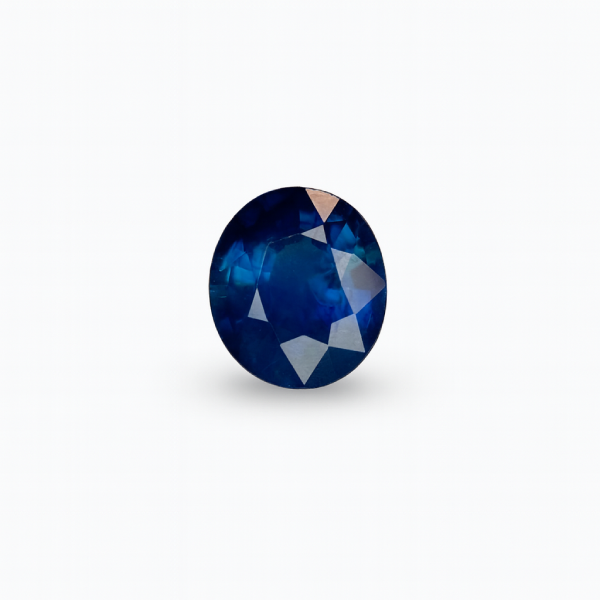
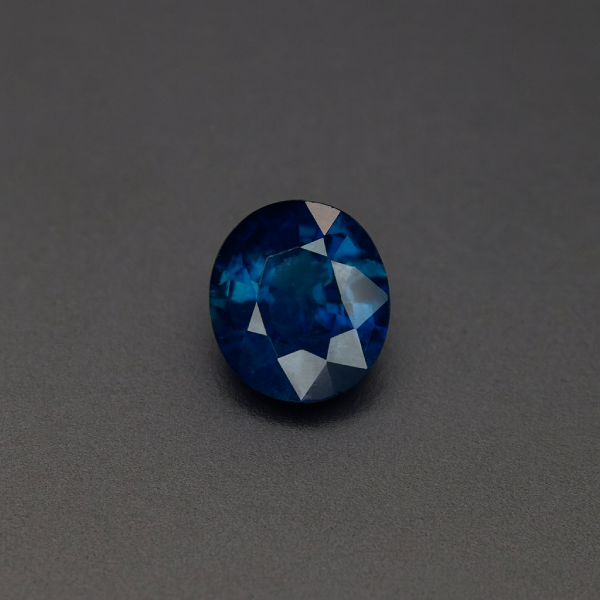
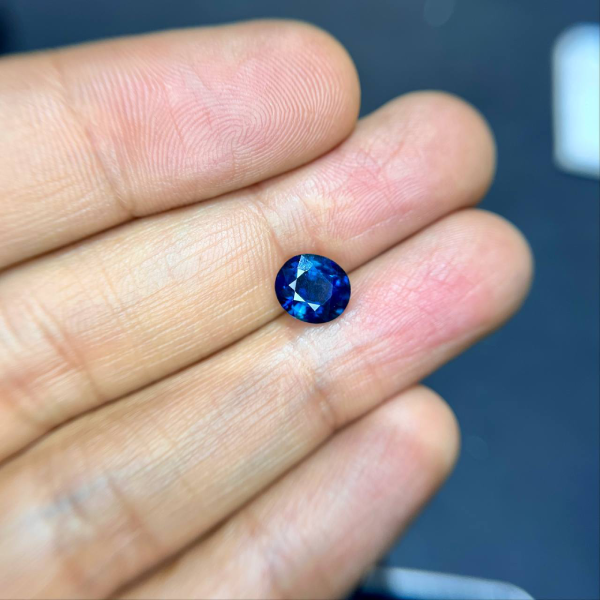
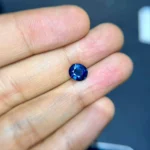
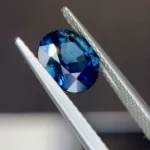
Blue sapphires have fascinated humanity for centuries with their deep, captivating hues and symbolic significance. Among the world’s most coveted sources of these gemstones, Madagascar stands out as a treasure trove of exceptional quality sapphires. The 2.21 carats Blue Sapphire from Madagascar is a perfect example of nature’s artistry, combining stunning color, clarity, and brilliance.
This gemstone is not just a piece of jewelry; it embodies history, value, and craftsmanship. Whether you are a collector, investor, or simply a lover of fine gemstones, understanding the qualities of a 2.21 carats Blue Sapphire from Madagascar is essential for making informed decisions.
Madagascar sapphires have become increasingly popular due to their unique characteristics, ethical sourcing, and competitive pricing compared to other renowned sapphire sources like Sri Lanka and Kashmir. This article delves deep into the world of these magnificent stones, exploring their origins, characteristics, and uses.
The Origins of Blue Sapphires in Madagascar
Geological Formation
Madagascar is home to some of the most significant sapphire deposits globally. These gemstones are primarily found in the regions of Ilakaka and Sakaraha, formed over millions of years through the cooling of mineral-rich magma and metamorphic processes. The unique geology of Madagascar gives its sapphires distinct color zoning and clarity, often surpassing other global sources.
Historical Significance
Although sapphire mining in Madagascar gained international attention in the 1990s, the island has a rich history of gemstone extraction. Local communities have been mining sapphires using traditional techniques, which are now supplemented with modern methods for precision and quality assurance.
Understanding the 2.21 Carats Blue Sapphire
Carat and Weight
The weight of a sapphire directly affects its value. At 2.21 carats, this gemstone strikes a perfect balance between size and wearability, making it suitable for rings, pendants, and other fine jewelry. Sapphires in this range are large enough to showcase their color and clarity without being excessively costly.
Color and Hue
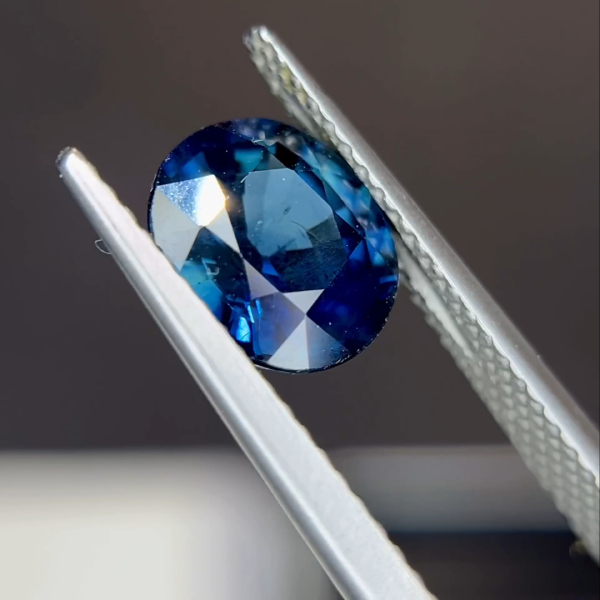
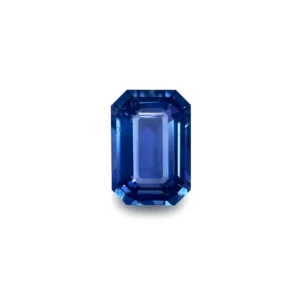
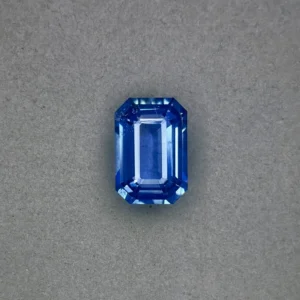
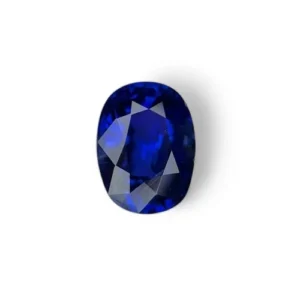
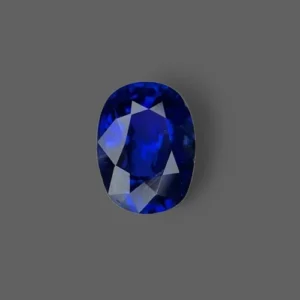
Color is arguably the most critical factor in evaluating a sapphire. The 2.21 carats Blue Sapphire from Madagascar exhibits a deep royal blue to cornflower blue hue, which is highly prized among gem enthusiasts. The presence of secondary hues such as violet or teal is minimal, ensuring maximum visual appeal.
Clarity and Transparency
Sapphire clarity is measured by the presence of inclusions. Madagascan sapphires are known for their clean appearance and minimal visible inclusions. A 2.21-carat stone with excellent clarity allows light to penetrate and reflect beautifully, enhancing its sparkle and brilliance.
Cut and Shape
The cut of a sapphire determines how light interacts with the gemstone. Popular cuts for a 2.21-carat Blue Sapphire include oval, cushion, and round cuts. Skilled cutting ensures maximum color saturation and brilliance, transforming a raw gemstone into a dazzling jewel.
The Value of Madagascar Sapphires
Market Demand
The global demand for Madagascar sapphires has grown steadily over the past decades. Collectors, investors, and jewelers seek these gemstones for their unique color, ethical sourcing, and rarity. The 2.21 carats Blue Sapphire is particularly attractive for high-end jewelry due to its balance of size and quality.
Pricing Factors
Several factors influence the price of a Madagascar sapphire:
-
Carat weight
-
Color intensity
-
Clarity
-
Cut quality
-
Origin verification
A certified 2.21-carat blue sapphire from Madagascar typically commands a premium price in the market.
Investment Potential
High-quality sapphires have historically maintained value and even appreciated over time. Investing in a 2.21 carats Blue Sapphire from Madagascar is not only an aesthetic choice but also a financial strategy. Certified stones with verifiable origin documentation are the most secure investment options.
How to Care for Your Blue Sapphire
Cleaning
To maintain its luster, clean your sapphire using mild soapy water and a soft brush. Avoid harsh chemicals or ultrasonic cleaners for stones with visible inclusions.
Storage
Store sapphires separately from other gemstones to prevent scratches. A soft jewelry pouch or lined box is ideal.
Regular Inspections
If set in jewelry, inspect prongs and settings regularly to prevent damage or loss. Professional check-ups once a year are recommended for high-value pieces.
Uses of a 2.21 Carats Blue Sapphire
Engagement Rings
Blue sapphires are increasingly popular in engagement rings due to their durability and symbolic meaning of loyalty and wisdom. A 2.21-carat stone offers an elegant yet understated statement.
Fine Jewelry
From earrings to pendants and bracelets, Madagascan blue sapphires enhance the beauty of any piece. Their versatility makes them suitable for both casual and formal occasions.
Collector’s Pieces
Gem collectors highly value certified sapphires from Madagascar, especially in sizes like 2.21 carats, due to their rarity and aesthetic appeal.
Frequently Asked Questions (FAQ)
Q1: How can I verify if a sapphire is from Madagascar?
A: Origin verification is done through gemological labs using inclusions, trace elements, and advanced spectroscopy. Certified documentation ensures authenticity.
Q2: Is 2.21 carats a good size for everyday jewelry?
A: Yes. It is large enough to showcase the gemstone’s beauty yet comfortable for regular wear.
Q3: How does Madagascar sapphire compare to Sri Lankan or Kashmir sapphires?
A: Madagascar sapphires often have vibrant colors and good clarity at a more accessible price point. Kashmir sapphires are rarer and more expensive, while Sri Lankan stones are known for lighter, pastel hues.
Q4: Are Madagascan sapphires ethically sourced?
A: Many Madagascar sapphires are mined using responsible practices, but buyers should always seek certified stones with verified ethical sourcing.
Q5: What is the best setting for a 2.21-carat Blue Sapphire?
A: Durable metals like platinum or white gold are ideal for engagement rings, while bezel or prong settings enhance both security and visibility.
Conclusion
The 2.21 carats Blue Sapphire from Madagascar is a gemstone that beautifully combines color, clarity, and elegance. Its geological origin, ethical sourcing, and investment potential make it a highly sought-after stone among collectors and jewelry enthusiasts alike. Whether adorning a custom ring or preserved as a collector’s piece, this sapphire represents both aesthetic pleasure and enduring value.
Madagascar continues to shine as a global source for high-quality sapphires, making it an essential consideration for anyone exploring gemstones with both beauty and meaning. Investing in or wearing a 2.21-carat Madagascan blue sapphire is not just a choice of luxury; it is an appreciation for nature’s remarkable artistry.



Reviews
There are no reviews yet.