Green by Color Tourmaline: The Gemstone of Natural Energy and Timeless Beauty
Introduction
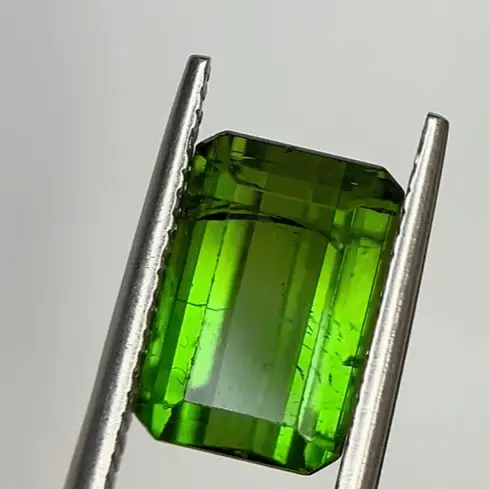
When we think of gemstones that capture the heart of nature itself, few shine as vividly as green by color tourmaline. This gem, often called green tourmaline or verdelite, is a brilliant embodiment of renewal, growth, and balance. Its dazzling shades of green reflect the very essence of forests, life, and vitality — qualities that have fascinated collectors, jewelers, and healers for centuries.
In today’s gemstone market, green by color tourmaline stands out as a perfect blend of beauty, durability, and versatility. Whether set in an elegant engagement ring or worn as a personal talisman, it’s admired for its unique hues and metaphysical allure. Unlike emeralds, which are often fragile and costly, green tourmaline offers a vibrant alternative that’s both accessible and enduring.
In this guide, we’ll explore everything you need to know about green by color tourmaline — from its origins and properties to buying tips, symbolic meanings, and care instructions. By the end, you’ll understand why this gemstone continues to enchant both gem lovers and spiritual seekers worldwide.
What Is Green by Color Tourmaline?
Definition and Overview
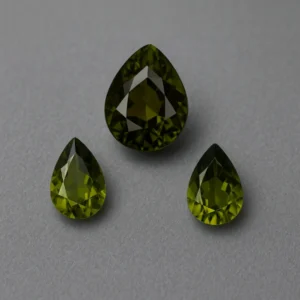
Green by color tourmaline refers to any tourmaline variety where green is the dominant hue. It belongs to the broader tourmaline family — a complex group of boron silicate minerals that come in virtually every color imaginable. The “green” variation ranges from light mint to deep forest shades and sometimes even carries bluish or yellow undertones.
The term “green by color” emphasizes that the stone’s defining characteristic is its green tone rather than its composition or source. This natural color is caused mainly by the presence of iron, chromium, or vanadium within the crystal structure.
Chemical Composition and Structure
Tourmaline has one of the most intricate chemical structures of all gemstones. Its general formula includes elements like aluminum, lithium, iron, magnesium, and sodium — all contributing to a range of hues and optical effects.
On the Mohs hardness scale, green tourmaline scores between 7 and 7.5, making it durable enough for everyday jewelry such as rings and bracelets. It’s also known for pleochroism — the ability to show different colors when viewed from different angles, adding an extra layer of intrigue to its brilliance.
Origin of the Name
The word tourmaline comes from the Sinhalese word “toramalli”, meaning “mixed gems.” This name was given by Sri Lankan traders who noticed the gem’s vast color variety. Over time, green by color tourmaline became one of the most sought-after members of the family for its natural elegance and deep symbolic meaning.
Sources and Geographic Origins
Major Mining Locations
Green tourmaline is mined in several regions around the world. Some of the most notable sources include:
- Brazil – Renowned for producing fine-quality green tourmaline with vivid saturation.
- Mozambique and Nigeria – Known for darker, chrome-rich varieties.
- Afghanistan and Pakistan – Famous for their brilliant bluish-green crystals.
- United States (California, Maine) – Produces bright, transparent stones that are popular among local jewelers.
Each region contributes subtle variations in tone and transparency due to the specific mineral composition of the host rocks.
Shades and Color Variations
The color spectrum of green tourmaline is remarkably wide. It can appear as:
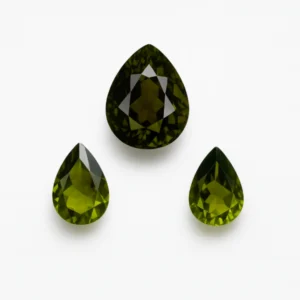
- Light mint green – Soft and refreshing, ideal for modern minimalist jewelry.
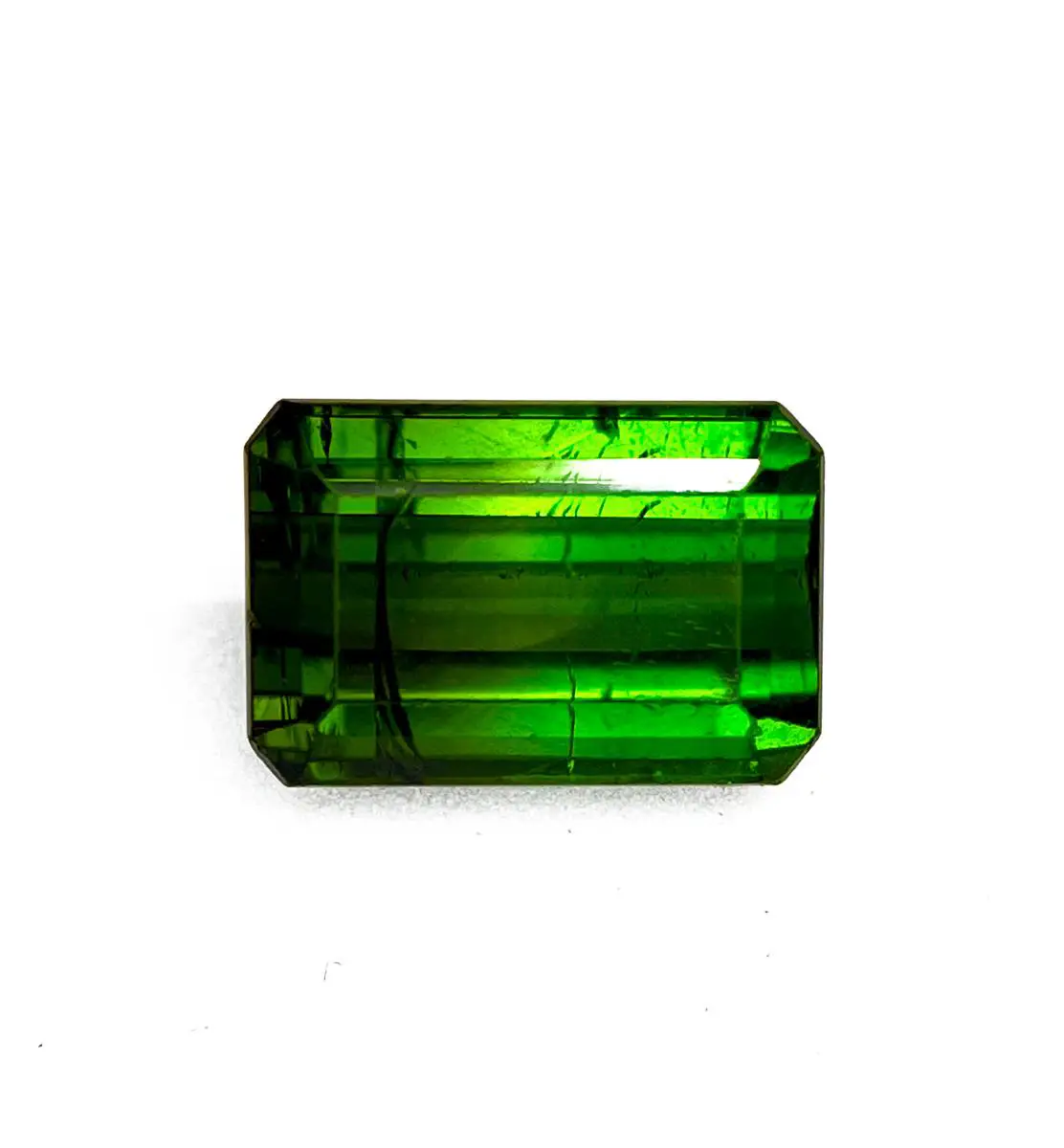
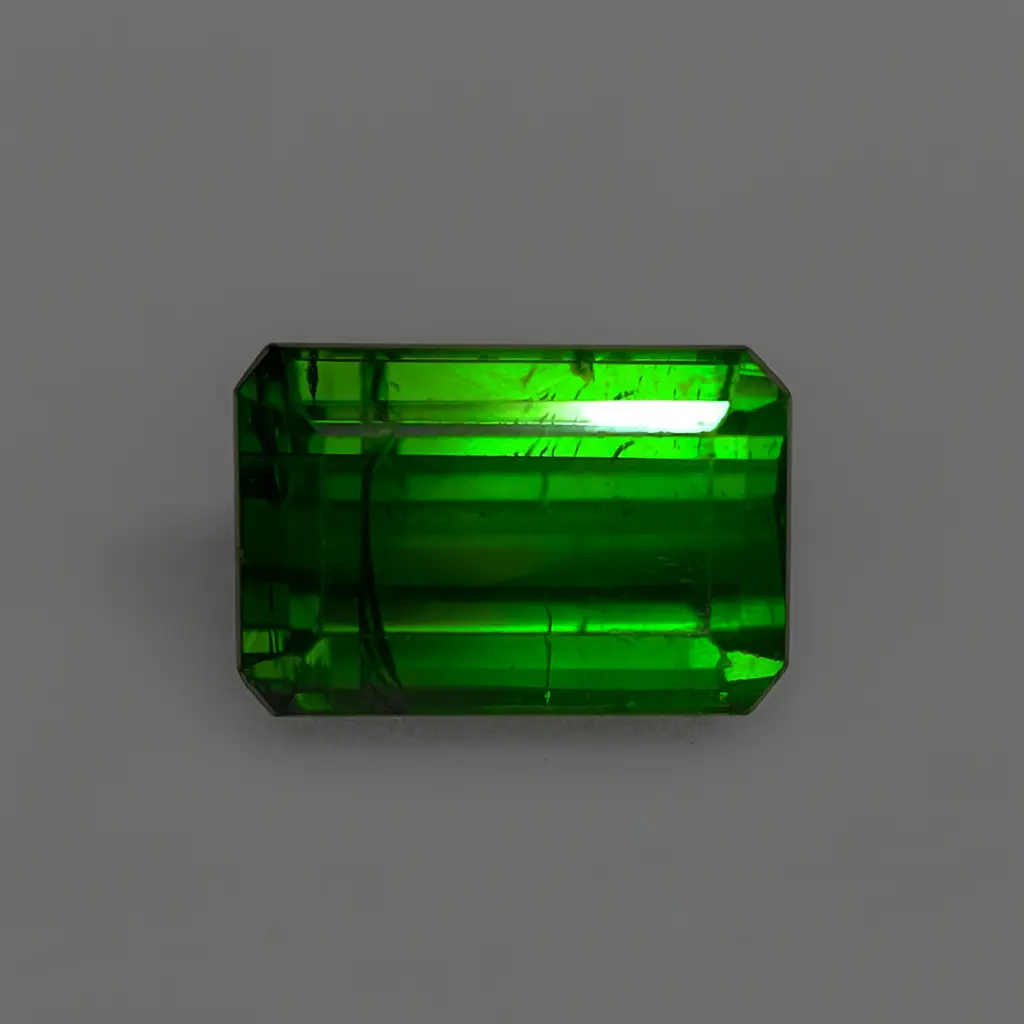
- Deep forest green – Rich and elegant, often compared to emerald.
- Blue-green (indicolite influence) – A cooler hue that conveys sophistication.
- Yellow-green or olive tones – Earthy and warm, perfect for vintage-style designs.
Among these, chrome tourmaline — colored by chromium or vanadium — is the rarest and most valuable, displaying a vibrant emerald-like hue that commands high prices.
Physical and Optical Properties
Hardness and Durability
With a hardness of 7–7.5, green tourmaline is a practical gemstone for everyday wear. It’s resistant to scratches and moderate impacts but should still be handled with care to avoid chipping along cleavage planes.
Pleochroism
One of the most fascinating traits of green by color tourmaline is its pleochroic nature. When you tilt the gem, you may see two or even three different shades of green — from light olive to deep emerald. Skilled gem cutters use this property to enhance the gem’s most desirable color face-up.
Clarity and Transparency
High-quality stones are typically eye-clean, meaning they show no visible inclusions. However, tourmaline can naturally contain tiny fluid inclusions or needle-like crystals, which may create a subtle internal texture and unique character.
Symbolism, Meaning, and Healing Properties
Historical and Cultural Significance
Historically, green tourmaline was treasured as a symbol of life and vitality. In ancient civilizations, it was believed to connect the wearer to the natural world, inspiring compassion and creativity. During the Renaissance, it was used in royal jewelry as a protective talisman against negative energies.
Metaphysical and Emotional Benefits
In crystal healing traditions, green by color tourmaline is associated with the heart chakra — the energy center that governs love, balance, and emotional harmony. Practitioners claim it helps:
- Stimulate compassion and empathy
- Restore emotional balance during stress
- Encourage spiritual growth and personal transformation
- Attract prosperity and abundance
While these properties are not scientifically proven, many wearers report feeling more grounded and peaceful when carrying or wearing this gem.
` Symbolic Meaning in Modern Jewelry
Today, green tourmaline symbolizes growth, success, and connection with nature. Designers often use it in eco-inspired collections or sustainability-themed jewelry due to its organic coloration and energy symbolism.
Buying Guide: How to Choose a Green by Color Tourmaline
Factors that Determine Value
- Color: The most crucial factor. Look for a rich, evenly distributed green with no brown or gray tints.
- Clarity: Eye-clean stones are preferred, but minor inclusions are acceptable if the color is strong.
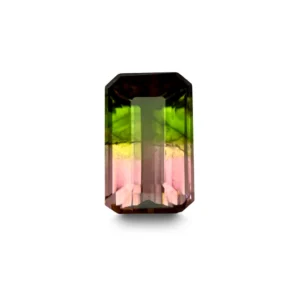
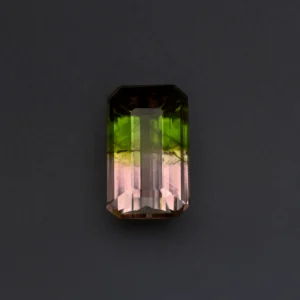
- Cut: Since the gem is pleochroic, the orientation of the cut dramatically affects its face-up color. Oval, cushion, and emerald cuts are popular choices.
- Carat Weight: Larger stones are rarer and more valuable, but tourmaline offers a good balance of size and price compared to emerald.
Average Price Range
Depending on quality, green tourmaline can range from $50 to $800 per carat for fine stones, while chrome tourmaline may exceed $1,000 per carat for top-tier pieces. Prices also vary based on origin and whether the stone is untreated.
Treatment and Enhancement
Most green tourmalines are untreated, which increases their natural appeal. However, some may be gently heated to enhance clarity or stabilize color. Always request a gemological certificate from a trusted lab to confirm authenticity and any treatments.
Practical Buying Tips
- Purchase from certified dealers or reputable online retailers with transparent grading policies.
- Examine the gem under daylight and artificial light to see its color consistency.
- Ask for origin details — Brazilian and Mozambican stones often show superior saturation.
- For investment purposes, focus on stones over 2 carats with vivid green tones and minimal inclusions.
Jewelry Uses and Styling Ideas
Popular Jewelry Designs
Green by color tourmaline is incredibly versatile in jewelry design. You’ll find it in:
- Rings: Especially engagement or cocktail rings with modern halo settings.
- Pendants and necklaces: Perfect for drawing attention to the neckline.
- Earrings: Teardrop and stud designs highlight its sparkle and natural glow.
- Bracelets: Combined with white diamonds or yellow gold for a luxurious contrast.
Metal Pairings
- White gold or platinum enhances the gem’s brightness and sophistication.
- Yellow gold creates a warm, organic contrast for earthy aesthetics.
- Rose gold pairs beautifully with mint or olive green stones for a soft, feminine look.
Maintenance and Care
To preserve its beauty:
- Clean your tourmaline with mild soap, warm water, and a soft cloth.
- Avoid ultrasonic cleaners and harsh chemicals.
- Store it separately in a padded box or soft pouch to prevent scratches.
- Remove jewelry before swimming, exercising, or doing household chores.
Green Tourmaline vs. Other Green Gems
Compared with Emerald
While emerald is famous for its vivid color, it’s also brittle and often heavily included. Green tourmaline, on the other hand, offers similar color with greater durability and affordability. It’s an excellent alternative for those seeking emerald’s charm without its fragility.
Compared with Peridot and Tsavorite
Peridot is generally lighter and more yellowish, while tsavorite garnet is deeper but less abundant. Green tourmaline sits comfortably in between — offering a rich hue, larger sizes, and a reasonable price.
Environmental and Ethical Aspects
Sustainable Sourcing
Many modern gemstone suppliers emphasize ethical mining of tourmaline. Brazil, Mozambique, and Nigeria have improved transparency in their supply chains to ensure fair labor practices and minimal ecological damage.
Why Green Tourmaline Is Eco-Friendly
Because of its long-lasting durability and minimal need for chemical treatment, green by color tourmaline is considered an eco-conscious gemstone. Its natural beauty requires no artificial enhancement — a perfect reflection of sustainable luxury.
Conclusion
In every sense, green by color tourmaline is the embodiment of life’s vibrancy and balance. Its stunning hues connect the wearer to nature, while its physical strength ensures timeless beauty. Whether you’re drawn to it for its elegance, metaphysical meaning, or ethical sourcing, it’s a gemstone that resonates deeply with the modern spirit.
If you’re searching for a stone that radiates calm energy, complements any style, and carries a story of Earth’s creative power, green tourmaline might just be your perfect match.
About Green by Color Tourmaline
: What gives green tourmaline its color?
A1: The color is mainly due to trace elements like iron, chromium, or vanadium inside the crystal lattice.
: Is green tourmaline rare?
A2: It’s not as rare as emerald but fine-quality chrome tourmaline with pure, saturated green is relatively scarce and valuable.
Can I wear it daily?
A3: Yes. With a hardness of 7–7.5, it’s suitable for daily wear — just avoid sharp impacts or chemical cleaners.
: Is it treated or natural?
A4: Most are natural and untreated, though mild heating can occasionally be used to enhance clarity.
: What does green tourmaline symbolize?
A5: It symbolizes growth, renewal, prosperity, and a deep connection to nature — making it a favorite for heart-centered jewelry.
: How should I clean and store it?
A6: Use warm water, mild soap, and a soft cloth. Store separately to prevent scratches.
: What are the best metals to pair with it?
A7: Platinum, white gold, and yellow gold all enhance its vibrant green tones beautifully.



Reviews
There are no reviews yet.