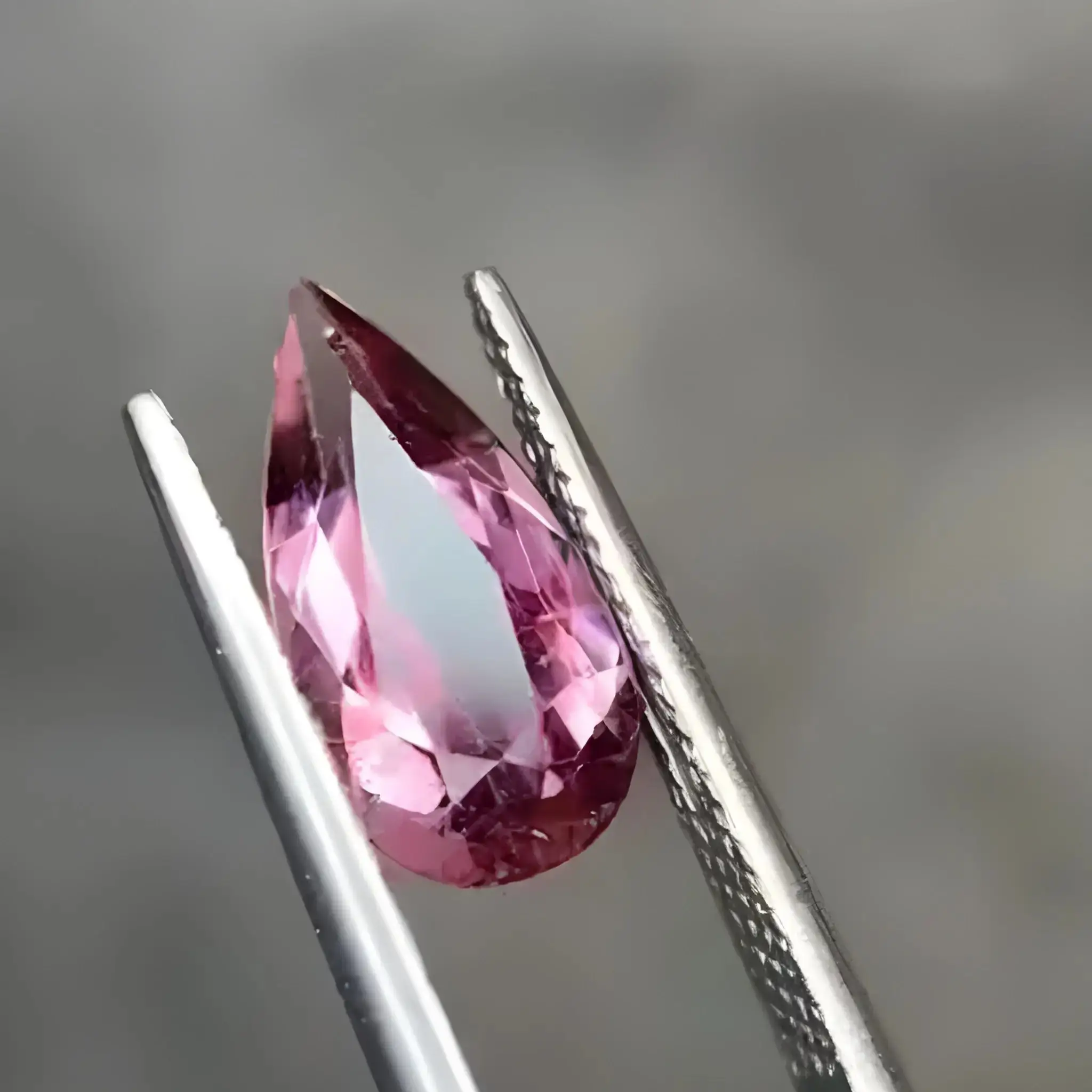
Pink tourmaline is one of nature’s most captivating treasures. With its romantic shades ranging from baby pink to deep raspberry, this gemstone embodies warmth, compassion, and elegance. For centuries, people have been drawn to its gentle glow and emotional symbolism, considering it a gem that heals the heart and brightens the soul.
But pink tourmaline is more than just a pretty stone. It’s a mineral born deep within the Earth’s crust, shaped by heat, pressure, and time. Its story combines science, beauty, and meaning — making it a favorite among gem collectors, jewelers, and spiritual enthusiasts alike.
In this comprehensive guide, we’ll explore everything about pink tourmaline — from its origins and properties to its symbolism, care tips, and buying advice — all optimized for SEO so readers and search engines can both fall in love with this enchanting gem.
What is Pink Tourmaline?
A Quick Overview
Pink tourmaline is a variety of the mineral family Tourmaline, which is a boron silicate compound rich in elements such as aluminum, iron, lithium, and magnesium. Its pink color mainly comes from traces of manganese within its crystal structure.
On the Mohs hardness scale, pink tourmaline ranks between 7 and 7.5, meaning it’s hard enough for everyday jewelry use while still requiring gentle care.
Color Spectrum and Varieties
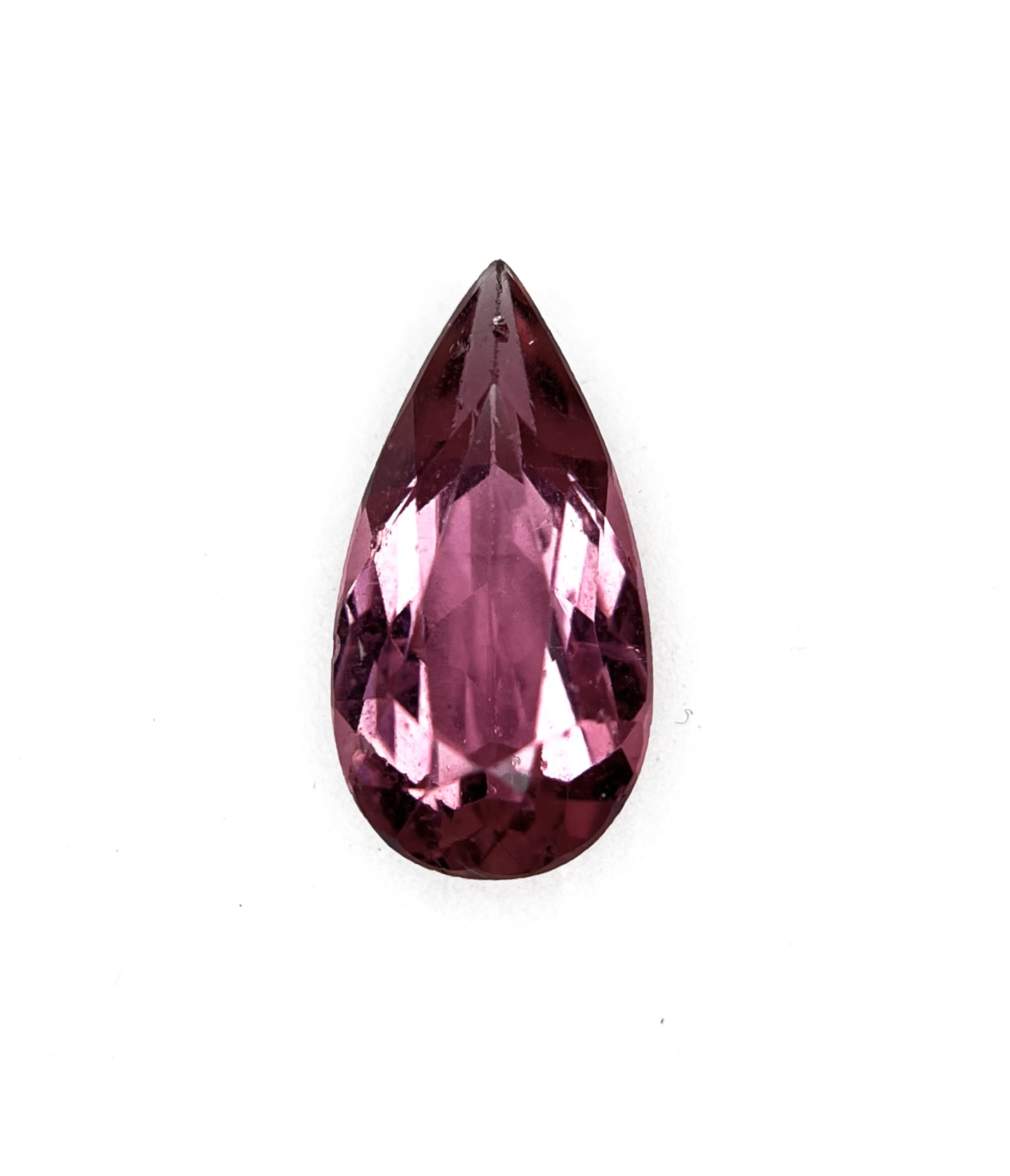
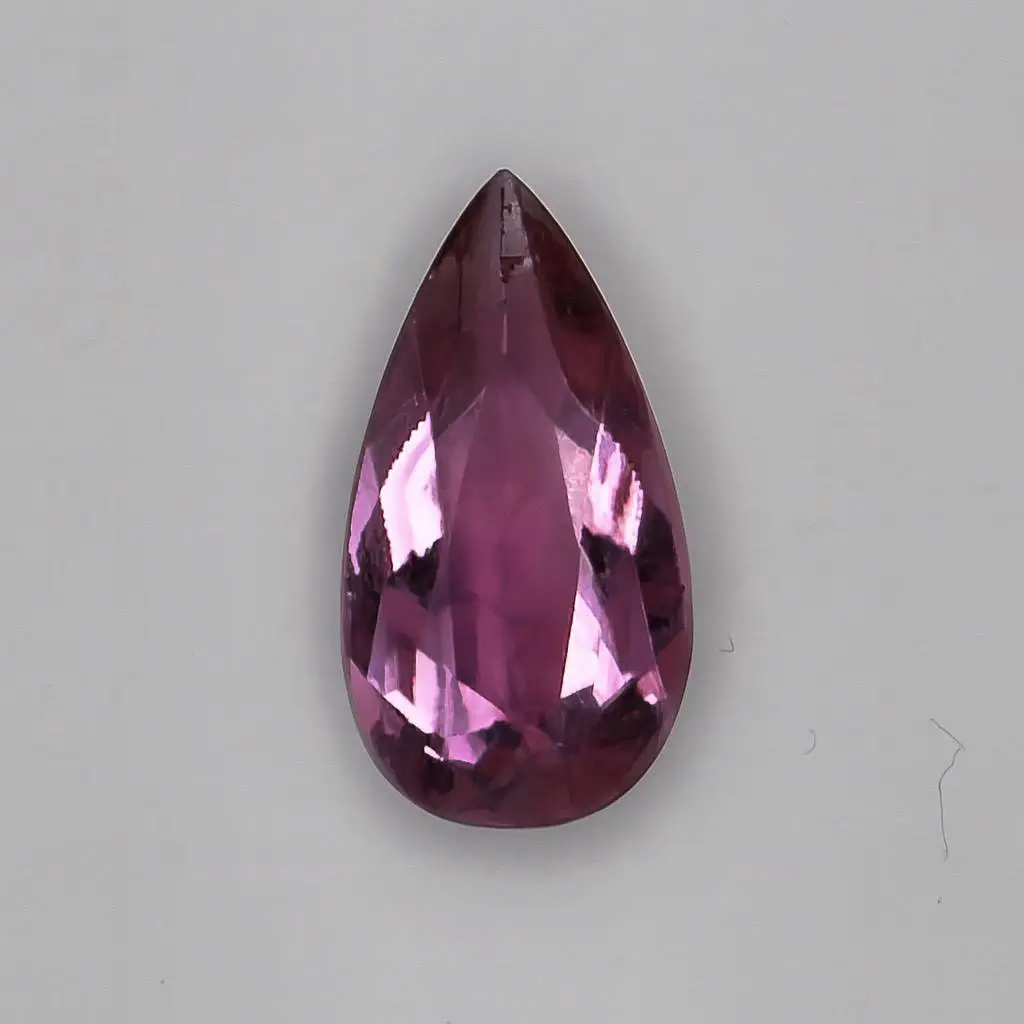
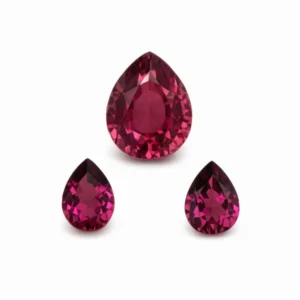
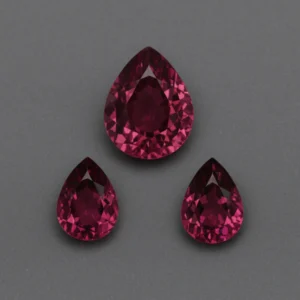
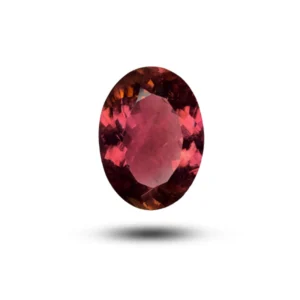
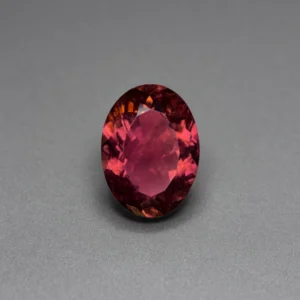
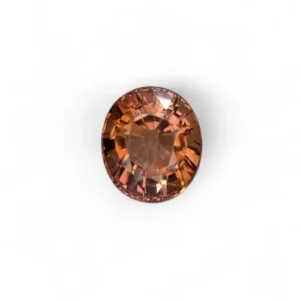
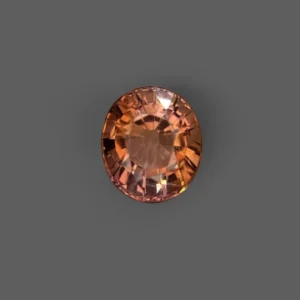
One of the most exciting things about pink tourmaline is its wide color range. You can find it in soft pastel tones, vivid fuchsia, or intense reddish-pink hues.
-
Light pink stones symbolize tenderness and innocence.
-
Medium shades express love and compassion.
-
Deep magenta tones, often called rubellite tourmaline, symbolize passion and emotional strength.
Each shade reflects a different energy and emotion, making pink tourmaline ideal for anyone seeking a gemstone that speaks to both beauty and meaning.
Origins and Geological Formation
Pink tourmaline forms in igneous and metamorphic rocks, especially granite pegmatites. These environments provide the perfect combination of heat, pressure, and boron-rich fluids for the mineral to crystallize over millions of years.
Major sources of pink tourmaline include:
-
Brazil (Minas Gerais and Paraíba regions)
-
Mozambique and Nigeria (rich in vivid magenta stones)
-
Afghanistan (known for clarity and pastel tones)
-
United States (California and Maine)
-
Madagascar and Pakistan
Each region gives the gemstone slightly different shades and inclusions, adding to its natural diversity and appeal.
The Symbolism of Pink Tourmaline
Emotional and Spiritual Meaning
Pink tourmaline is often called the stone of love and emotional healing. It’s believed to open and balance the heart chakra, encouraging compassion, self-acceptance, and forgiveness.
Many people wear it to calm emotional pain, ease anxiety, and promote self-confidence. In crystal healing practices, it’s said to attract love and dissolve emotional barriers built over time.
Cultural Significance
Throughout history, pink tourmaline has appeared in royal jewelry, spiritual rituals, and art. In the 19th century, Chinese royalty — especially Empress Dowager Cixi — adored this gemstone, importing large quantities from California. Today, it remains a symbol of affection, kindness, and gentle strength.
Why Choose Pink Tourmaline Jewelry?
1. Beauty and Versatility
Pink tourmaline’s brilliance and color depth make it perfect for all kinds of jewelry — from engagement rings to necklaces and earrings. Its range of pink hues complements both silver and gold settings, making it easy to match with any skin tone or style.
2. Durability and Everyday Use
With a hardness of 7–7.5, pink tourmaline resists scratching better than softer stones like opal or pearl. This makes it a practical yet luxurious choice for daily wear, especially in rings and bracelets.
3. Meaningful Gift
Because of its associations with love and compassion, pink tourmaline makes an ideal gift for anniversaries, birthdays, or anyone going through emotional renewal. It’s also the birthstone for October, sharing the spotlight with opal.
How to Identify a High-Quality Pink Tourmaline
Color
Color is the most important factor. Look for rich, even saturation without brown or gray undertones. Stones with vibrant pink or raspberry tones are the most valuable.
Clarity
Most natural pink tourmalines contain small inclusions, but high-quality ones should appear clean to the naked eye. Avoid gems that look cloudy or overly included.
Cut
A well-cut stone reflects light evenly and shows off the gem’s natural brilliance. Popular cuts include oval, pear, cushion, and emerald shapes.
Carat Weight
Larger stones are rarer and therefore more expensive. A 5-carat vivid pink tourmaline can cost several times more per carat than a 1-carat stone of the same quality.
Buying Guide: What to Look For
-
Set Your Budget: Pink tourmaline ranges from affordable (for light pink smaller gems) to luxury (for vivid magenta rubellites). Prices may vary between $50 to over $1,000 per carat.
-
Request Certification: Always ask for a gemstone certificate from a trusted lab (like GIA or IGI).
-
Ask About Treatments: Some stones are heat-treated to enhance color. Transparency from the seller is crucial.
-
Choose the Right Setting: White gold enhances brightness, while rose gold gives warmth.
-
Shop from Reputable Jewelers: Look for vendors with clear return policies and verified authenticity.
Caring for Your Pink Tourmaline
Cleaning
-
Use lukewarm water with mild soap and a soft brush.
-
Rinse thoroughly and dry with a microfiber cloth.
-
Avoid ultrasonic or steam cleaners, as they can damage treated stones.
Storage
Store pink tourmaline jewelry separately in a soft pouch or fabric-lined box to prevent scratches from harder gems like sapphire or diamond.
Everyday Precautions
Remove your jewelry during sports, housework, or swimming. Avoid exposing it to harsh chemicals, perfumes, or sudden temperature changes.
Healing and Metaphysical Properties
Pink tourmaline is said to radiate calming energy. It’s often used in meditation, Reiki, and chakra balancing. Believers say it:
-
Helps release stress and trauma
-
Encourages forgiveness and emotional renewal
-
Strengthens romantic and familial bonds
-
Boosts self-worth and empathy
Whether or not you follow crystal healing, the soothing beauty of pink tourmaline undeniably brings a sense of peace and positivity.
Fun Facts About Pink Tourmaline
-
Tourmaline can become electrically charged when rubbed — this is called the pyroelectric effect.
-
Its name comes from the Sinhalese word “turmali,” meaning “mixed gems.”
-
No two pink tourmalines are exactly alike — each has its own fingerprint of inclusions and hue.
-
Famous jewelers like Tiffany & Co. and Cartier have used pink tourmaline in high-end collections.
Sustainability and Ethical Mining
As demand grows, ethical sourcing is becoming more important. Many modern mines now follow fair-trade and eco-conscious practices to reduce environmental impact and ensure fair wages. When buying, consider asking the jeweler about the gem’s origin and ethical sourcing policy.
Summary and Final Thoughts
Pink tourmaline is more than a gemstone — it’s a symbol of love, healing, and emotional balance. Its delicate pink tones and fascinating geological background make it a favorite for both gem collectors and those seeking a meaningful piece of jewelry.
With proper care, pink tourmaline will retain its brilliance for generations. Whether you wear it as a statement ring or a subtle pendant, this gem will always remind you to stay connected to your heart and inner light.
Frequently Asked Questions
Q1: Is pink tourmaline natural or synthetic?
A1: Most pink tourmalines on the market are natural. However, lab-grown versions exist and are typically labeled as synthetic or created.
Q2: Can I wear pink tourmaline every day?
A2: Yes, it’s durable enough for daily wear, but avoid rough handling or contact with chemicals.
Q3: What metals look best with pink tourmaline?
A3: White gold, platinum, and rose gold all pair beautifully depending on your preferred style.
Q4: Does pink tourmaline lose color over time?
A4: Not if properly cared for. Keep it away from direct sunlight and high heat for long periods.
Q5: Is pink tourmaline valuable?
A5: Yes, especially vivid, clean, large stones. While it’s not as pricey as ruby, it’s becoming more desirable due to its unique beauty and meaning.
Q6: What’s the spiritual benefit of wearing pink tourmaline?
A6: It’s believed to open the heart chakra, enhance self-love, and attract positive energy into your lif




Reviews
There are no reviews yet.