Introduction
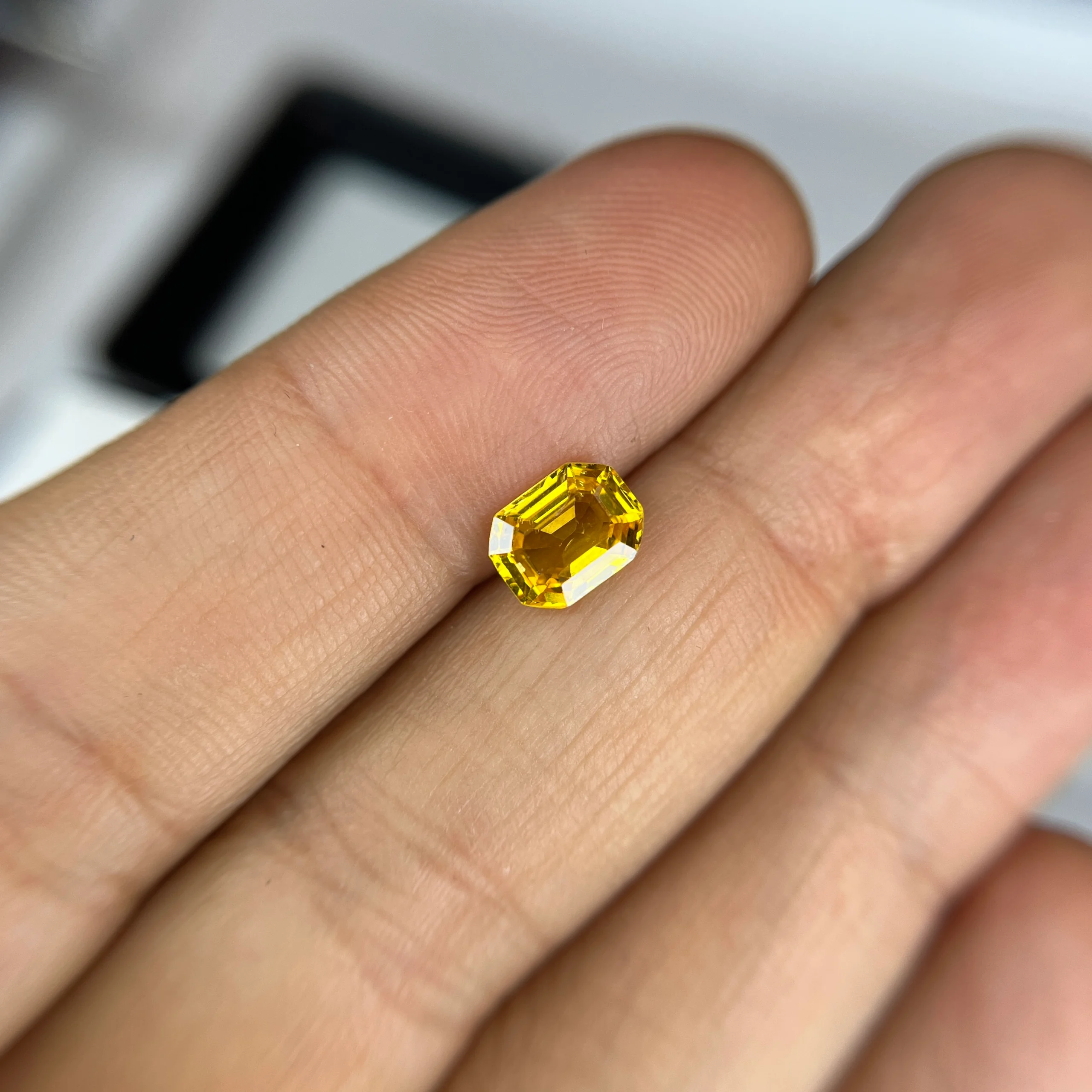
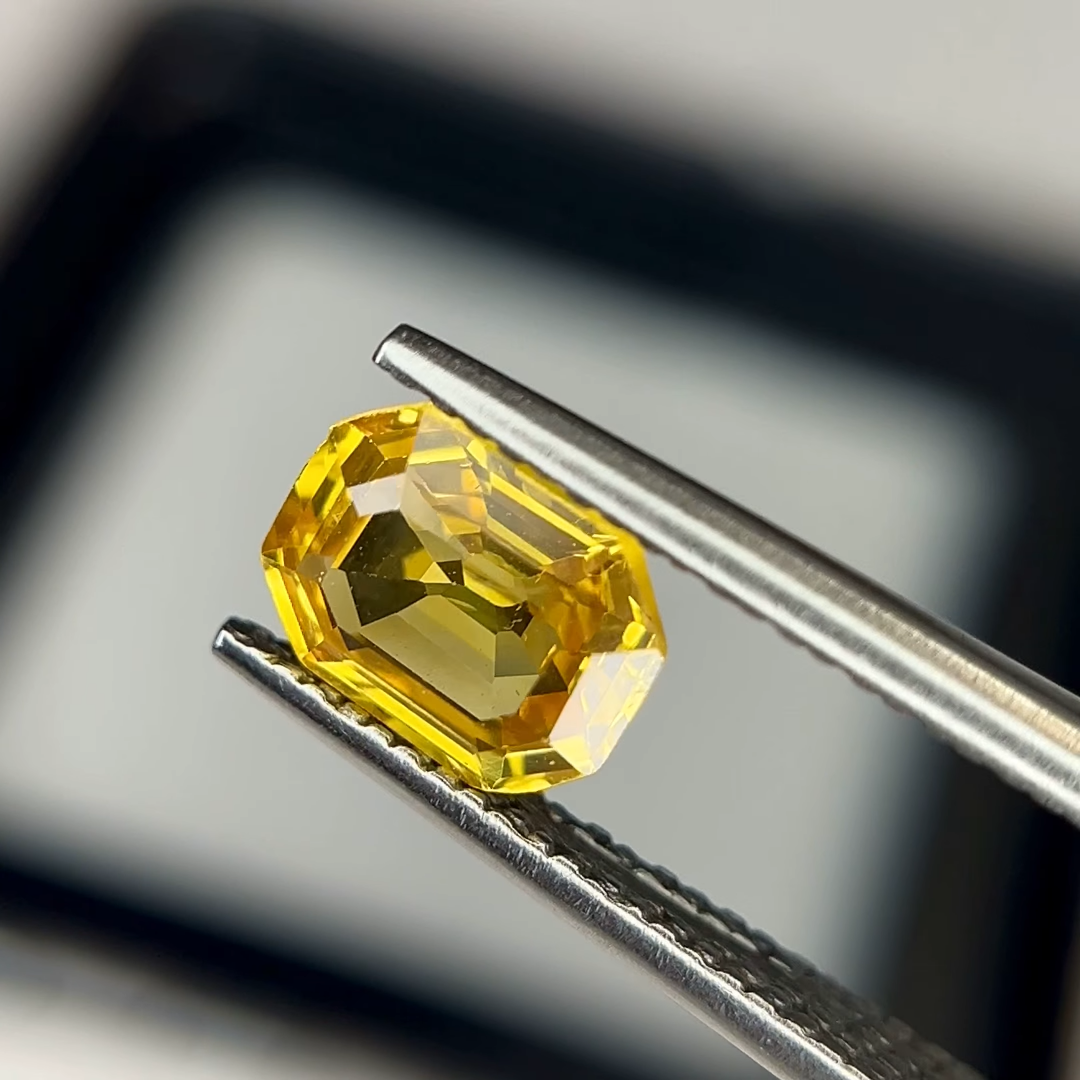
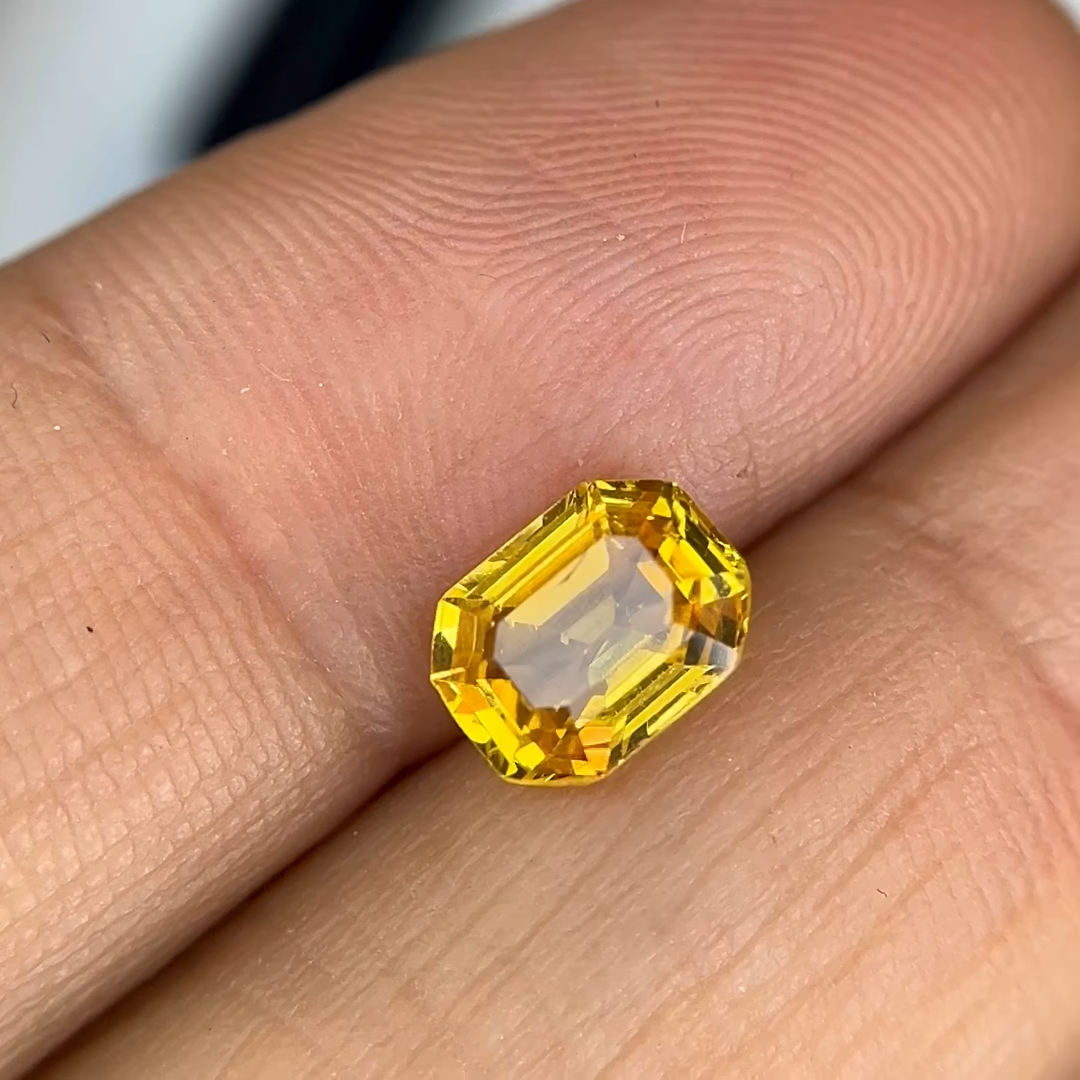
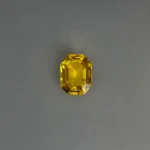
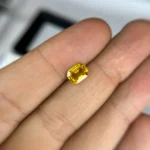
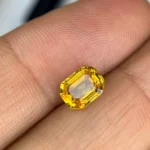
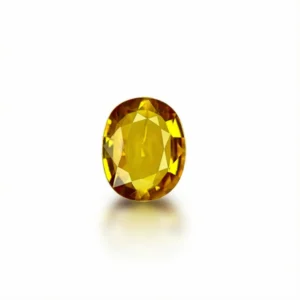
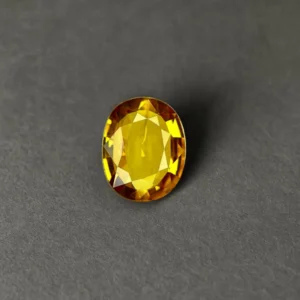
Natural only heated yellow sapphire is one of the most sought after gemstones in the world of colored stones. Its warm golden glow, combined with its belief in bringing prosperity and clarity, has made it a favorite among collectors and jewelry lovers. Today, more buyers are specifically searching for stones that are natural and only heat treated because this treatment is considered acceptable, stable, and traditional in the gemstone industry.
As demand rises, people want reliable information before investing in a natural only heated yellow sapphire. Buyers often ask how this gem is formed, what heating means, how to verify authenticity, and what they should expect when purchasing one. This guide aims to answer all of those questions in a simple, clear, and comprehensive format.
In this article, you will learn about geological formation, color grading, treatments, pricing factors, identification tips, and buying recommendations. Whether you are a gemstone enthusiast, a jewelry designer, or a new buyer, this guide will help you make confident and informed decisions.
What Is a Natural Only Heated Yellow Sapphire?
Definition and Key Characteristics
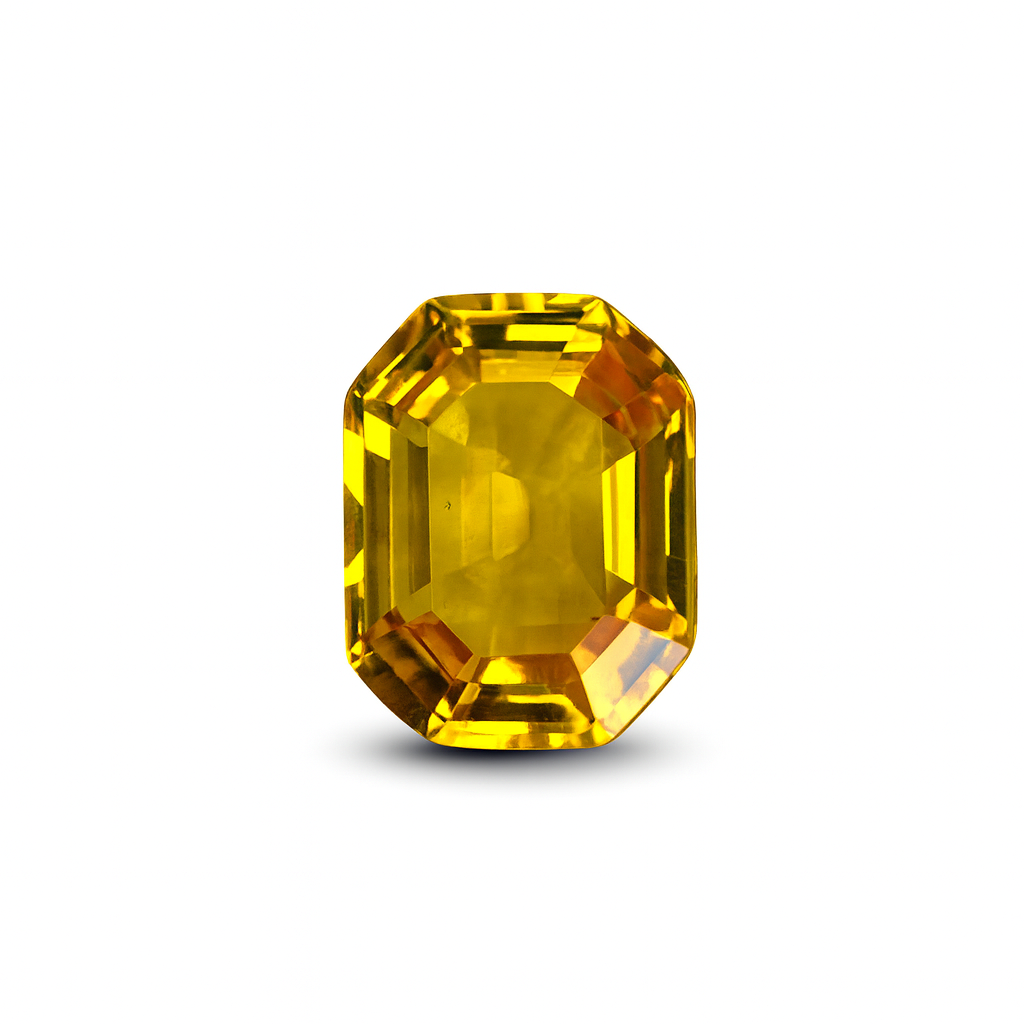
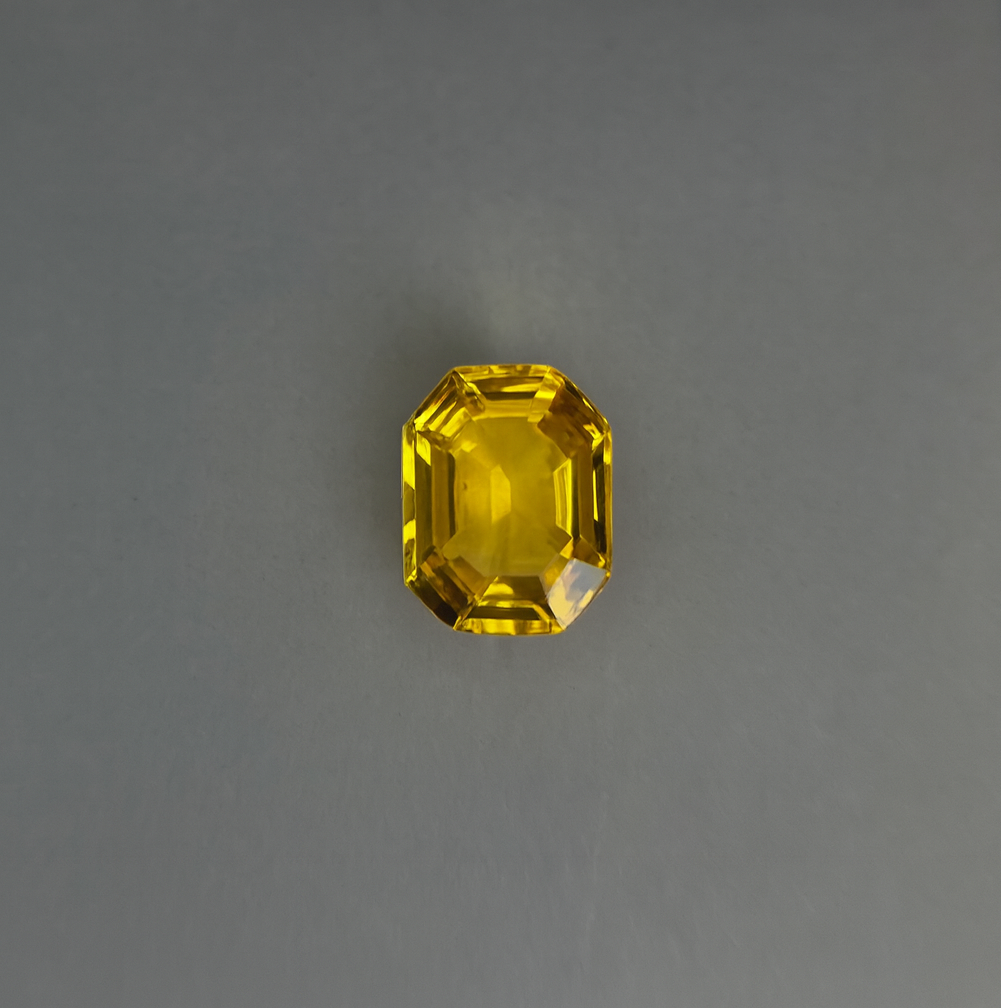
Natural only heated yellow sapphire is a variety of corundum that displays a yellow hue and has undergone only heat treatment with no additional enhancements. Heat treatment is used to improve color and clarity without altering the gem’s natural structure.
Yellow sapphire belongs to the corundum family, the same mineral group as ruby and other sapphires. With a hardness level of 9 on the Mohs scale, it is extremely durable and ideal for daily jewelry such as rings and bracelets.
Why Heat Treatment Matters
Heat treatment is one of the oldest and most accepted processes in the gemstone market. Many natural sapphires undergo heat treatment to enhance their beauty. A natural only heated yellow sapphire means the gemstone has not undergone diffusion, irradiation, fracture filling, glass filling, or any artificial enhancement beyond traditional heating.
This gives buyers confidence that the gem maintains its authenticity and long term stability. Collectors and jewelers prefer this type because it combines quality appearance with reasonable pricing.
Geological Formation of Yellow Sapphire
How Yellow Sapphire Forms in Nature
Yellow sapphires are formed deep within the Earth’s mantle under extreme heat and pressure. Over millions of years, corundum crystallizes in metamorphic rocks and sometimes in alluvial deposits. The yellow color comes from trace elements, mainly iron.
The combination of geological pressure, mineral presence, and slow cooling produces the golden shades we see in natural only heated yellow sapphire gems.
Major Sources Worldwide
Sri Lanka
Sri Lanka is the most famous source for high quality yellow sapphires. The country is known for producing clean, bright, and naturally vibrant yellow stones.
Madagascar
Madagascar sources have become popular for their range of colors, from pale lemon tones to deep golden hues.
Thailand
Thailand produces darker and more saturated yellow stones which often respond well to heat treatment.
Other Sources
-
Australia
-
Tanzania
-
Nigeria
These regions contribute a smaller percentage but still offer high quality natural only heated yellow sapphire gemstones.
Color Grading in Natural Heated Yellow Sapphires
Understanding Hue, Tone, and Saturation
When grading yellow sapphires, experts evaluate three color factors:
Hue
The basic color of the gemstone. Ideal hues range from pure yellow to golden yellow.
Tone
Describes the lightness or darkness of the color. Medium to medium dark tone is preferred for its richness.
Saturation
Measures color intensity. High saturation produces vivid and attractive gems.
Popular Color Categories
Lemon Yellow
Bright and fresh, often more affordable.
Golden Yellow
Highly desirable with strong demand in jewelry.
Honey Yellow
Warm and luxurious, often used in premium jewelry designs.
How Heat Affects Color
Heat treatment enhances the yellow color by removing unwanted brownish or greenish undertones. It improves clarity by reducing internal inclusions, making the stone sparkle more.
Clarity, Cut, and Carat Weight
Clarity Standards
Most natural only heated yellow sapphire stones contain minor inclusions. However, eye clean stones are more valuable. Typical inclusions include feathers, crystals, and needles.
Cut Quality
Cutting maximizes brilliance. The best cuts include:
-
Oval
-
Cushion
-
Round
-
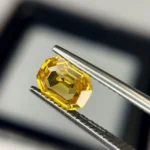
Emerald cut
A good cut improves light reflection and enhances perceived color.
Carat Weight
Larger stones above 3 carats are rare and significantly more valuable. Prices rise exponentially with size, especially for clean and vividly colored gems.
Treatments and Verification
Accepted vs Non Accepted Treatments
Accepted
Not Accepted
-
Diffusion
-
Irradiation
-
Glass filling
-
Oil filling
-
Beryllium diffusion
A natural only heated yellow sapphire must not include any of these non accepted treatments.
How to Verify Authenticity
Gemological Certificates
Always request a certificate from reputable labs:
-
GIA
-
IGI
-
GRS
-
AGL
-
Lotus Gemology
These labs confirm whether the sapphire is natural and only heated.
Visual Clues
A trained gemologist can identify:
Pricing Factors for Natural Only Heated Yellow Sapphire
What Influences Price?
Color Quality
Vivid golden yellow stones command the highest prices.
Clarity
Eye clean stones are more expensive than included gems.
Cut
Precision cutting increases brilliance and value.
Carat
Prices increase significantly after 3 carats.
Origin
Sri Lankan stones generally cost more than other sources.
Average Price Range
Prices can range from:
-
80 USD per carat for commercial quality
-
300 to 800 USD per carat for good quality
-
1000+ USD per carat for premium golden yellow stones
High end stones with certification can reach several thousand dollars per carat.
Buying Guide: How to Choose the Best Yellow Sapphire
Step 1: Determine Your Purpose
Decide whether you want a gemstone for jewelry, collection, or investment.
Step 2: Check Certificate
Choose stones with reliable laboratory reports.
Step 3: Evaluate Color
Look for bright, vivid, and evenly distributed color.
Step 4: Inspect Clarity
Minimize visible inclusions to maintain beauty.
Step 5: Choose a Good Cut
A well cut gem appears brighter and more valuable.
Step 6: Buy From Trusted Sellers
Work with reputable jewelers and online platforms that offer returns, certificates, and secure purchasing.
Astrological Significance
Beliefs and Benefits
In Vedic astrology, yellow sapphire is associated with Jupiter and is believed to bring:
-
Wisdom
-
Prosperity
-
Financial growth
-
Mental clarity
While not scientifically proven, many wearers purchase natural only heated yellow sapphire for its symbolic meaning.
Conclusion
Natural only heated yellow sapphire is a beautiful, durable, and meaningful gemstone that continues to rise in popularity. Its warm yellow glow, combined with acceptable and stable heat treatment, makes it a perfect choice for buyers who want natural beauty with reasonable value. By understanding color, clarity, cut, and certification, you can confidently choose a high quality stone that suits your taste and budget.
Whether you want to create a unique jewelry piece, grow a gemstone collection, or gift a meaningful gemstone to someone special, this guide provides everything you need to make an informed decision.
FAQ: Natural Only Heated Yellow Sapphire
1. Is a natural only heated yellow sapphire considered natural?
Yes. Heat treatment does not make the sapphire synthetic or artificial. It remains a natural gemstone.
2. Does heat treatment affect durability?
No. Heating is stable and permanent. The gem’s hardness remains the same.
3. How can I ensure the gem is not diffusion treated?
Check the certificate from a trusted gemological lab.
4. Why are some yellow sapphires more expensive?
Color quality, clarity, cut, carat weight, and origin all affect price.
5. Can I use yellow sapphire for daily wear?
Yes. With a hardness of 9, it is suitable for rings and bracelets.
6. What is the best origin for yellow sapphire?
Sri Lanka is considered the top source, although Madagascar and Thailand also produce high quality stones.
7. Is a natural only heated yellow sapphire a good investment?
High quality stones with strong color and certification can hold or increase in value over time.



Reviews
There are no reviews yet.