Yellow Sapphire – The Gemstone of Sunshine, Prosperity, and Elegance
Introduction
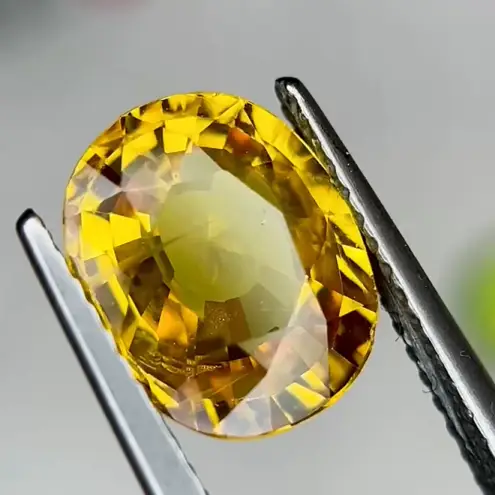
If you could capture the warmth of the sun inside a gemstone, it would surely look like the Yellow Sapphire. With its radiant golden hue and timeless elegance, this gemstone has fascinated collectors, jewelry lovers, and spiritual seekers for centuries. Known as Pukhraj in Sanskrit, the yellow sapphire has long been associated with prosperity, wisdom, and divine blessings.
In modern times, this precious gem has become a favorite for engagement rings, pendants, and investment jewelry. Its charm lies not only in its captivating color but also in its hardness (9 on the Mohs scale), which makes it one of the most durable natural gemstones available.
Whether you’re drawn to its astrological significance, its visual brilliance, or simply its luxurious glow, the Yellow Sapphire stands as a perfect blend of beauty and meaning. In this article, you’ll learn everything about this gem — from its origins and benefits to buying tips and care instructions — so you can choose your perfect yellow sapphire with confidence.
What Is a Yellow Sapphire?
The Essence of a Golden Gem
A yellow sapphire is a yellow-colored variety of the mineral corundum (Al₂O₃). The same family also produces blue sapphires and rubies — the only difference lies in the trace elements that give color. In yellow sapphires, small amounts of iron create the warm, golden shade that gives this gem its name.
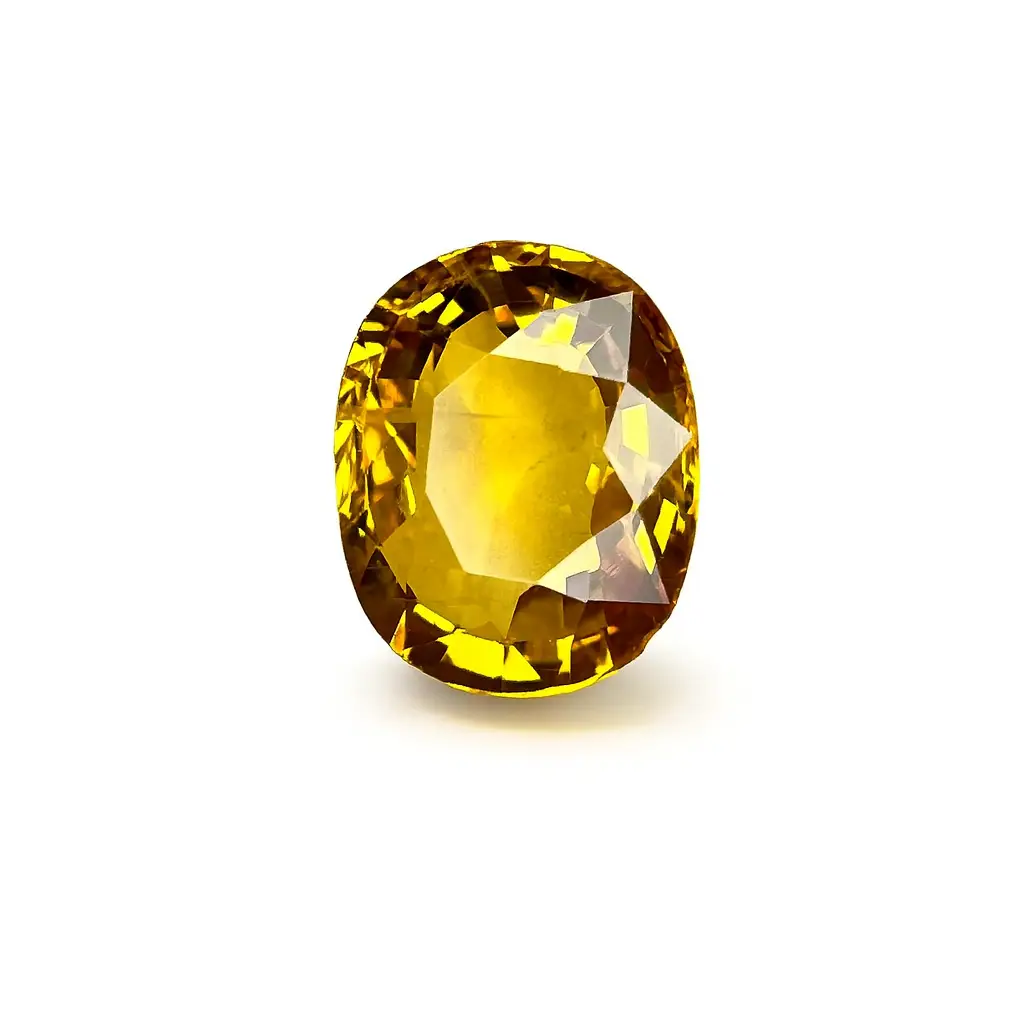
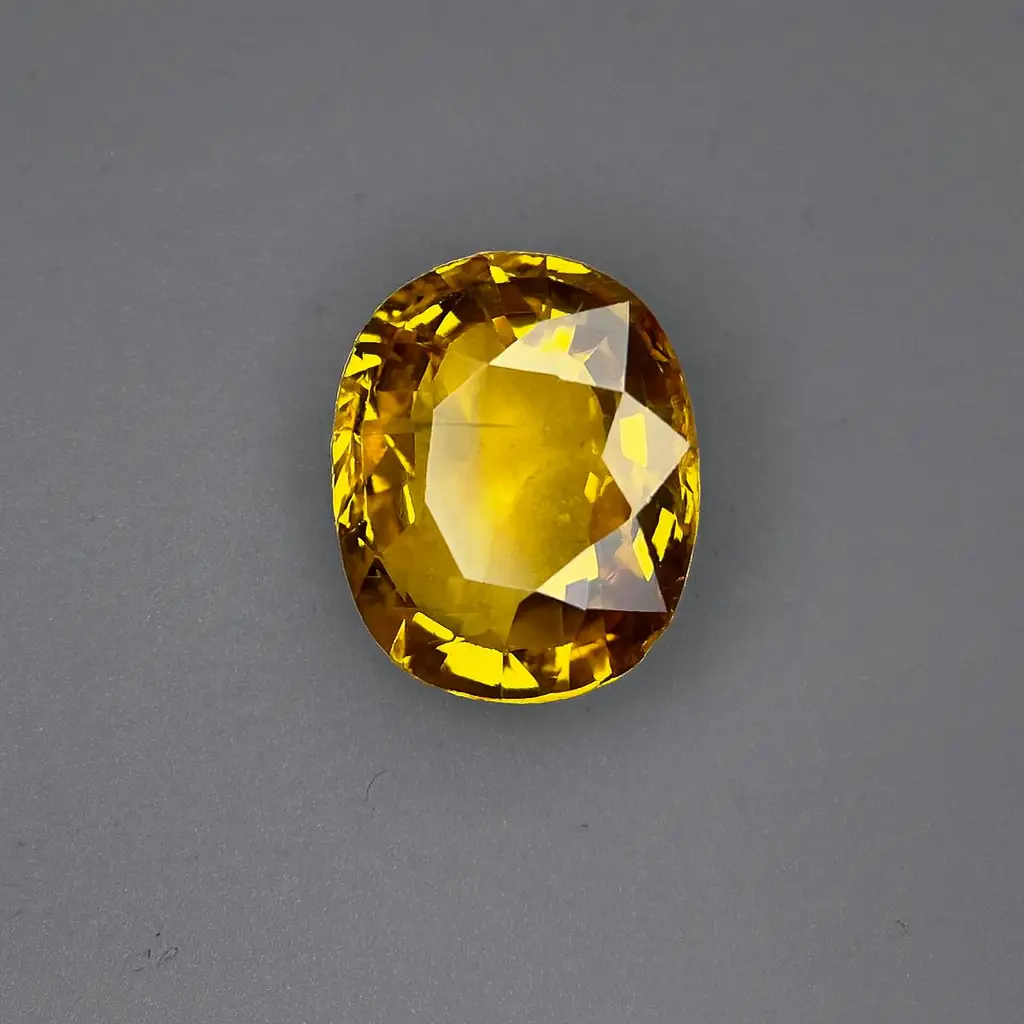
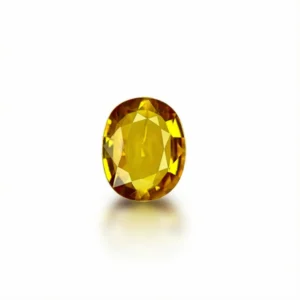
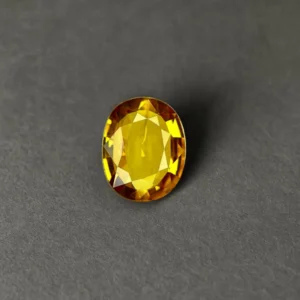
The color spectrum of yellow sapphire ranges from light lemon to intense golden or even orangish-yellow tones. Among collectors, a vivid canary-yellow hue is considered the most desirable and valuable.
Why Yellow Sapphire Is So Special
This gemstone’s brilliance goes far beyond its beauty. It symbolizes clarity, creativity, and joy. Because of its association with the planet Jupiter, it is believed to attract wisdom, wealth, and success. Many people wear it for both its aesthetic and metaphysical benefits.
Moreover, its durability and resistance to scratches make it a practical choice for everyday jewelry — combining luxury with longevity.
History and Origins of Yellow Sapphire
A Stone with Ancient Roots
The love for yellow sapphire dates back thousands of years. In ancient India, it was known as the “Stone of Jupiter” — representing divine knowledge and prosperity. Kings, scholars, and saints wore it to attract wisdom and fortune. Similarly, ancient Greek and Persian civilizations admired it for its radiant glow and protective powers.
Today, the gem continues to hold the same fascination, both as a symbol of status and as a tool for spiritual growth.
Where Does It Come From?
The most famous sources of yellow sapphires are:
- Sri Lanka (Ceylon): Known for producing the finest quality yellow sapphires with bright, pure color.
- Madagascar: Offers vibrant stones with excellent clarity.
- Thailand: Produces stones with rich golden tones.
- Australia and Tanzania: Also known for commercial-quality sapphires.
Sri Lankan yellow sapphires, often called Ceylon Yellow Sapphires, are particularly valued for their transparency and untreated color.
Characteristics and Quality Factors
Color — The Heart of Value
When it comes to yellow sapphires, color is everything. The ideal hue is a medium to vivid, pure yellow that glows evenly across the stone. Slight tints of orange or green can reduce its value, while intense golden tones make it more desirable.
Clarity — The Window to Brilliance
High-quality yellow sapphires usually display minimal inclusions. Unlike other colored gems, they tend to have cleaner interiors. Always look for stones with no visible flaws to the naked eye, as clarity directly affects the brilliance and sparkle of the gem.
Cut and Shape
The cut of a yellow sapphire determines how effectively it reflects light. Precision cutting brings out its vibrant color, while poor cutting can dull even the finest material. Popular shapes include oval, cushion, and round — often used in rings and pendants.
Carat and Size
Larger yellow sapphires (over 2 carats) are rarer and more valuable, especially if they display vivid color and high clarity. However, smaller stones can still look stunning in cluster or halo designs.
The Symbolism and Benefits of Yellow Sapphire
Spiritual and Astrological Meaning
In Vedic astrology, Yellow Sapphire (Pukhraj) represents the planet Jupiter (Guru) — the planet of knowledge, wealth, and divine blessings. It is believed to:
- Bring financial prosperity and success
- Improve communication and decision-making
- Promote harmony in relationships
- Boost self-confidence and optimism
For people following astrology, yellow sapphire is often recommended for those born under Sagittarius or Pisces signs.
Emotional and Physical Healing
Beyond its spiritual value, the yellow sapphire is said to encourage mental clarity, creativity, and calmness. Some believe it strengthens the immune system, enhances focus, and helps reduce stress. While these claims are metaphysical rather than scientific, many wearers report a sense of positivity and balance after wearing the gem.
Symbol of Joy and Positivity
The bright golden hue of the Yellow Sapphire symbolizes joy, sunshine, and optimism. It’s perfect for anyone who wants to attract positive energy into their life — a daily reminder of warmth and hope.
How to Choose the Perfect Yellow Sapphire
Step 1 — Determine Your Purpose
Ask yourself: Are you buying a yellow sapphire for astrology, for jewelry, or as an investment? Your purpose affects what to look for. For example:
- Astrological: Choose a natural, untreated stone of at least 2 carats.
- Jewelry: Focus on cut, design, and color harmony with your metal.
- Investment: Prioritize vivid color, clarity, and certification.
Step 2 — Check for Treatments
Most yellow sapphires on the market are heat-treated to enhance color. While this is widely accepted, be cautious about stones that have undergone beryllium diffusion, as that affects long-term value. For best authenticity, buy stones with a gemological certificate (from GIA, IGI, or GRS).
Step 3 — Verify Certification and Origin
Always request a gemstone certificate verifying:
- Authenticity
- Origin (Sri Lanka, Madagascar, etc.)
- Type of treatment
This ensures you’re investing in a genuine gem, not a synthetic or heavily treated imitation.
Step 4 — Choose the Right Setting
Yellow sapphires look stunning in yellow gold, which enhances their warmth, or white gold/platinum, which provides a modern contrast. A bezel or prong setting protects the stone while showcasing its brilliance.
Caring for Your Yellow Sapphire Jewelry
Cleaning
To maintain your yellow sapphire’s sparkle:
- Use warm soapy water and a soft toothbrush.
- Avoid harsh chemicals or ultrasonic cleaners if the stone has fractures or fillings.
- Rinse thoroughly and dry with a soft cloth.
Storage
Store your yellow sapphire separately from other jewelry — especially diamonds, which can scratch it. Use a soft pouch or a fabric-lined jewelry box.
Regular Maintenance
Check the setting periodically to ensure the gem is secure. Have it professionally cleaned once or twice a year for best results.
Yellow Sapphire in Jewelry Design
Engagement Rings
A yellow sapphire engagement ring offers a bright, modern alternative to diamonds. It symbolizes optimism, loyalty, and prosperity — perfect for couples who want something distinctive and meaningful.
Pendants and Necklaces
A delicate yellow sapphire pendant adds a subtle glow to any outfit. Pair it with white diamonds or gold chains for a refined, elegant look.
Earrings and Bracelets
Small yellow sapphires look exquisite in stud earrings or tennis bracelets, adding a splash of color without being overwhelming.
Investing in Yellow Sapphire
Market Value
As natural gemstones become rarer, yellow sapphires have seen steady appreciation in value. Untreated stones from Sri Lanka or Madagascar, with rich golden tones, are especially sought after.
Factors That Influence Price
- Color – The purer and more intense the yellow, the higher the price.
- Clarity – Eye-clean stones are rare and valuable.
- Carat Weight – Price increases exponentially with size.
- Treatment – Untreated stones command premium prices.
- Origin – Ceylon stones are generally the most prized.
Smart Investment Tip
When buying for investment, always focus on quality over size. A small, untreated vivid yellow sapphire often appreciates more than a larger, treated one.
Common Myths About Yellow Sapphire
“It Changes Color Over Time.”
False. Natural yellow sapphires maintain their color if cared for properly. Only stones exposed to extreme heat or chemicals may show fading.
“Only Certain Zodiac Signs Can Wear It.”
While astrology connects yellow sapphire to specific signs, anyone can wear it for its beauty and symbolic energy.
“All Yellow Sapphires Are Expensive.”
Not true. Heat-treated or smaller stones are affordable options for all budgets — you don’t need to spend a fortune to enjoy this golden gemstone.
Conclusion
The Yellow Sapphire is more than just a gemstone — it’s a symbol of light, joy, and prosperity. Its vibrant color captures the essence of sunlight, while its hardness and rarity make it a valuable long-term investment.
Whether you wear it for its spiritual energy or its natural beauty, the yellow sapphire never fails to impress. Choose wisely, care for it properly, and it will shine for generations to come — a timeless treasure in every sense.
Frequently Asked Questions (FAQ)
1. Is yellow sapphire suitable for daily wear?
Yes. With a hardness of 9, it’s highly resistant to scratches and suitable for everyday jewelry like rings and pendants.
2. What metal looks best with yellow sapphire?
Yellow gold enhances the warmth of the stone, while white gold or platinum creates a stylish contrast.
3. How can I tell if a yellow sapphire is real?
Request a certificate from a trusted gem lab (GIA, IGI, GRS). Genuine stones have natural inclusions, while synthetics often look “too perfect.”
4. Can I buy a treated yellow sapphire?
Yes — heat-treated stones are common and affordable. Just ensure full disclosure from your seller.
5. How do I clean yellow sapphire jewelry?
Soak it in warm soapy water, brush gently, rinse, and dry. Avoid ultrasonic cleaners if unsure about treatments.
6. What is the best origin for yellow sapphires?
Sri Lankan (Ceylon) yellow sapphires are considered the best due to their natural color and clarity.




Reviews
There are no reviews yet.